The Aseel chickens have earned unparalleled respect through the ages in the Indian subcontinent. Being the king of game fowls, these chickens are renowned for their undaunted valour, regal bearing, and awesome physical strength. Of the several different varieties of Aseels, Parrot Beak Aseel (also locally known as Kilimookku Aseel of Tamil Nadu) is considered to be an architectural marvel in the field of poultry breeding. With its small, highly curved beak that resembles a parrot’s beak, highly muscled physique, and regal walk characteristic of a warrior, this particular variety of Aseels is highly prized by hobbyists, conservationists, and breeders.
Nithys Aseel Farm at Gobichettipalayam (Gobi), near Erode, Tamil Nadu is a premier source for breeding and distributing genuine Aseel chickens. As poultry enthusiasts from all over India know, we at Nithys Aseel Farm specialize in breeding only the best in terms of health and ethical breeding. Our services include supplying active Aseels, Parrot Beak Aseels, breeding Aseels and hatching eggs.
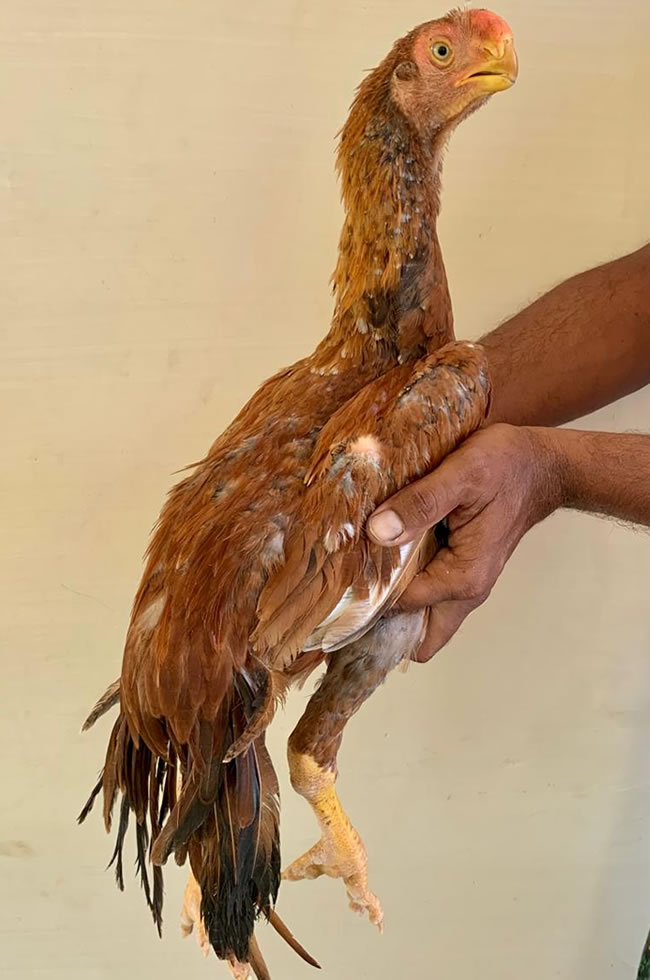
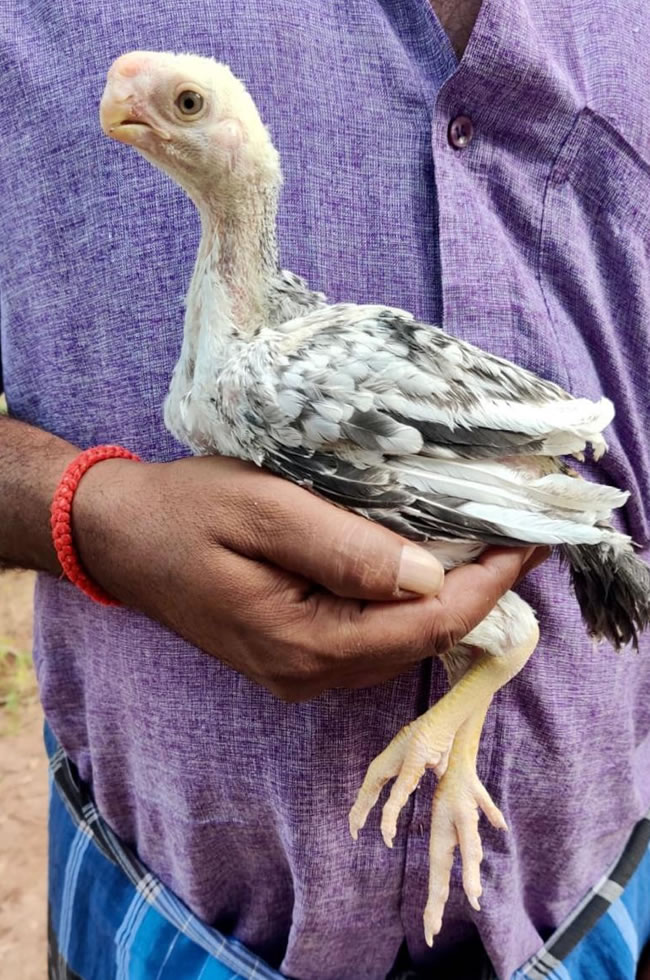


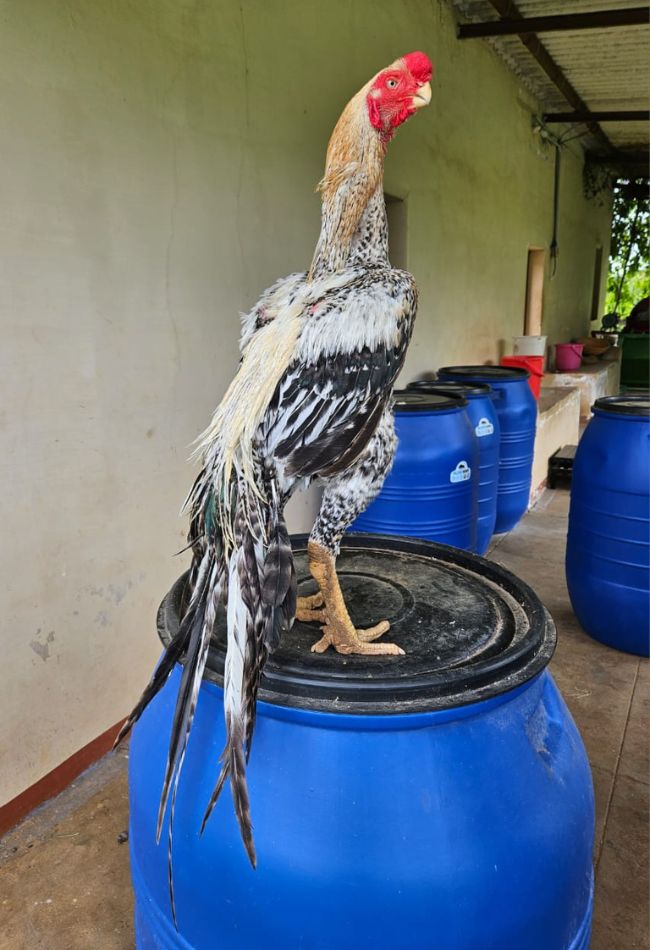
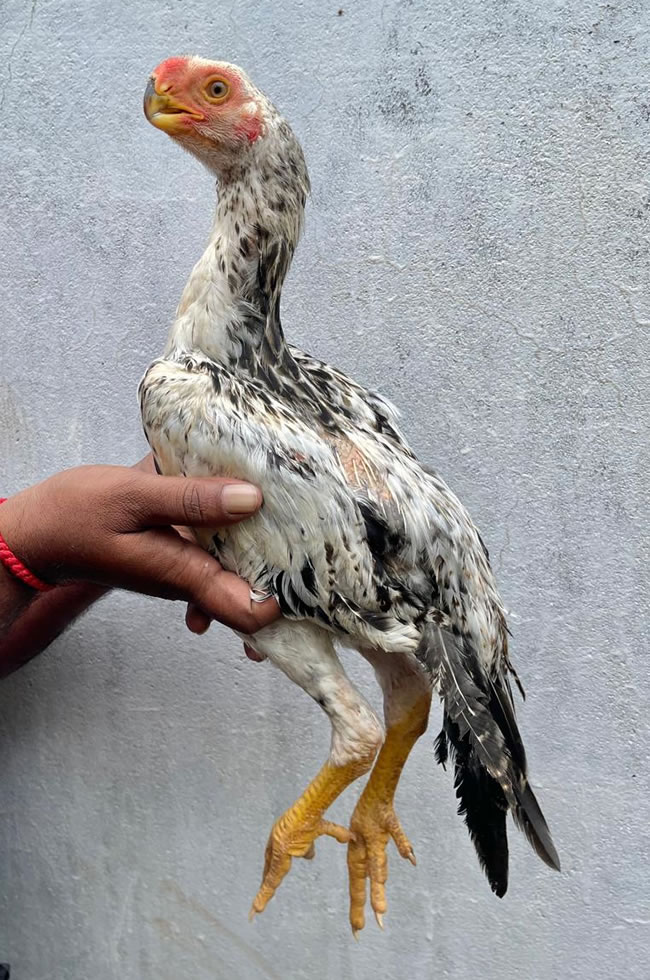
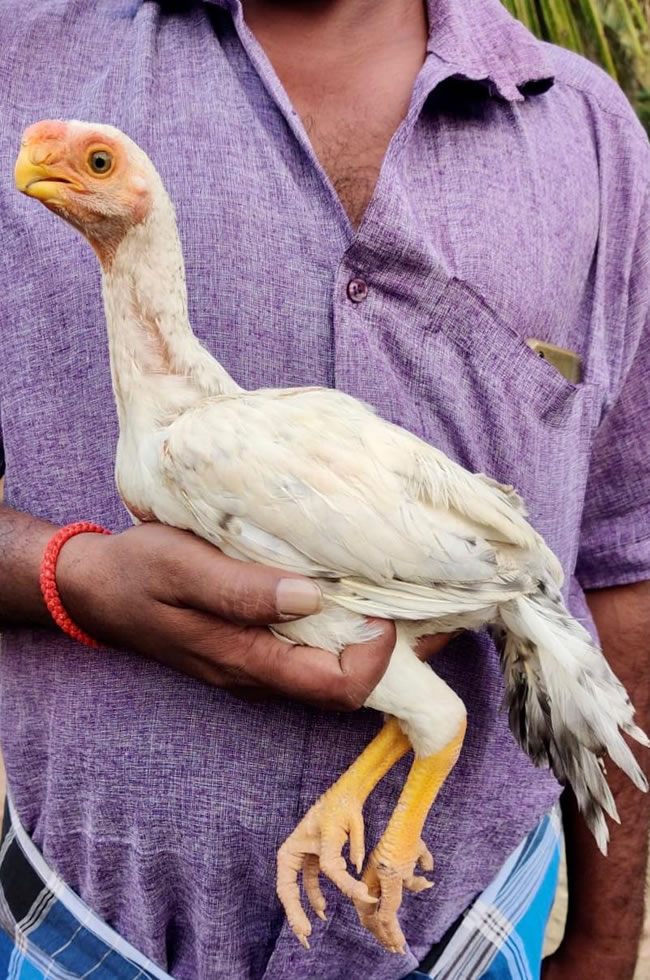
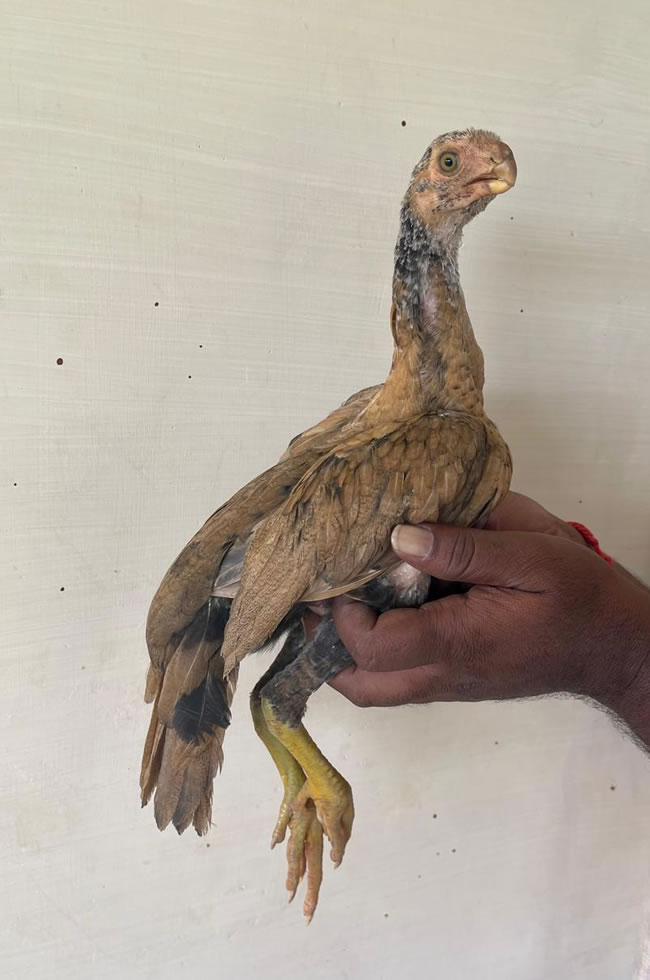
Understanding the Parrot Beak Aseel Breed Characteristics
Before examining individual pedigrees, it is important to define the characteristics of a true Parrot Beak Aseel. This bloodline has its own morphological features that make it distinguishable from ordinary broad heads or round heads:
- Beak Architecture: Extremely short, thick, and curved downward precisely like a parrot’s bill, allowing for superior grip and strength.
- Body Conformation: Compact, heavy-boned, and muscular with a broad chest resembling an avian bodybuilder.
- Plumage and Tail: Hard, dense feathering paired with a long, sweeping tail (visirival peruvedai) carried gracefully downward.
- Temperament: Highly alert, confident, and spirited, backed by a calm yet commanding presence around the farmyard.
Top Bloodlines and Color Varieties of Parrot Beak Aseel
The Parrot Beak varieties in South India have been classified traditionally by their localized bloodline traits and vivid color distinctions. The preservation of such bloodlines is possible through selective breeding only.
1. Senkeeri and Karum Keeri (Black-Red Dotted)
Keeri strains are renowned for their agility and extremely high stamina. Keeri has complicated spots of black and red on a thick feather bed. The Keeri strain is known to have high bone density along with a very fast reflex action.
2. Kokku Vellai (Pristine White)
The Kokku Vellai strain is characterized by the dazzling snow-white feathers that come along with either pearl or yellow eyes, as well as an extremely sharp parrot beak. White strains are very few and hard to breed since color reverting must be prevented.
3. Sambal Boothi (Ash Grey)
Smoky gray or silver blue in color, the Sambal Boothi line is appreciated for its balanced weight structure and tranquil nature. Lines of grey color tend to have a tall body structure with wide shoulder blocks.
4. Mayil Karuppu (Black and Gold/Yellow)
Similar to the appearance of peacock sheen patterns, Mayil Karuppu feathers contain dark metal-like blacks with beautiful yellow-gold hackle and saddle feathers. They are very resilient and adapt very easily to the Indian climatic conditions.
Practical Management and Housing for Aseel Chickens
Breeding good Aseel birds is not just about good breeding but involves good environmental management as well since the Aseel birds are very territorial.
- Space Allocation: Provide ample ground space. Adult Parrot Beak Aseels thrive when they have access to dry, secure outdoor runs to maintain muscle tone.
- Perches and Flooring: Use clean sand or deep-litter rice husk flooring. Keep perches low to protect heavy bone structures from impact injuries during landing.
- Individual Management: Mature stags and roosters must be housed separately once they mature to prevent aggressive territorial clashes.
Nutrition and Feeding Protocols
A high-performance heritage bird needs a nutrient-dense diet to support its dense muscle mass and heavy skeletal structure.
- Protein Enrichment: Growing Aseel chicks require a 20% to 22% protein starter crumb ration up to 12 weeks of age to support rapid bone and beak development.
- Grains and Greens: Transition adult birds to a balanced mix of cracked corn, ragi, bajra, wheat, and fresh green fodder.
- Calcium and Minerals: Supplement laying hens and breeding roosters with organic shell grit and multivitamins to ensure strong eggshells and optimal bone density.
Ethical Breeding and Avoiding Common Mistakes
Developing a successful backyard or commercial Aseel breeding setup requires patience and adherence to ethical standards. Avoid these common pitfalls:
- Inbreeding Depression: Continuously breeding closely related stock leads to reduced egg hatchability and weaker immune systems. Always introduce verified unrelated bloodlines periodically.
- Neglecting Deworming and Vaccination: Native breeds are hardy, but they are not immune to Ranikhet (Newcastle disease) or internal parasites. Follow a strict localized vaccination schedule.
- Impatience in Selection: Do not evaluate a chick’s final quality too early. Parrot Beak traits and full bone structure can take up to 8 to 12 months to fully express themselves.
Sourcing Pure Bloodlines from Nithys Aseel Farm
If you seek to breed elite genetics in your poultry birds, obtaining such stock from a trusted conservation farm is critical. Based in Gobichettipalayam (Gobi), close to Erode, Nithys Aseel Farm prides itself on upholding high ethical standards of breeding. We supply poultry bird breeders and collectors and first-end buyers all over India with high-quality Aseel chicks, breeding birds, hatching eggs, and pure Parrot Beak Aseels in hygienic natural surroundings.
Frequently Asked Questions
1. What is a Parrot Beak Aseel?
A Parrot Beak Aseel is an elite heritage variety of the Indian Aseel chicken distinguished by its short, downward-curved beak, heavy bone structure, and upright, muscular build.
2. Where is Nithys Aseel Farm located?
Nithys Aseel Farm is located in Gobichettipalayam (Gobi), near Erode, in the state of Tamil Nadu, and safely supplies birds and hatching eggs across India.
3. What is the typical weight of a mature Parrot Beak Aseel?
A mature, well-conditioned rooster can weigh anywhere between 4 kg to 5 kg or more, while hens generally range from 3 kg to 3.5 kg depending on the specific bloodline and nutrition.
4. Are Parrot Beak Aseels good egg layers?
Like most traditional hard-feather game breeds, they are not high-volume commercial egg producers, typically laying around 60 to 80 tinted eggs per year. However, hens possess phenomenal broodiness and make exceptional mothers.
5. Can I purchase hatching eggs from Nithys Aseel Farm?
Yes, Nithys Aseel Farm provides carefully selected, high-fertility hatching eggs packaged securely for safe transit to breeders across India.
6. How do I prevent aggression among growing Aseel stags?
Aseel chicks begin showing territorial instincts early. It is recommended to separate young stags into individual spacious enclosures by the 4th to 5th month of age to prevent injury.
7. What climate conditions suit Parrot Beak Aseel best?
They are native to the Indian subcontinent and adapt exceptionally well to tropical and subtropical climates, provided they have access to adequate shade, fresh water, and dry housing during heavy monsoons.
8. How can I verify the purity of an Aseel bloodline?
Look for core morphological markers: a true parrot-like curved beak, pearl or yellow eyes, pea combs, sturdy yellow or white shanks, an alert warrior gait, and consistent feather color patterns true to the strain.
Disclaimer: The information provided in this blog post is for general informational purposes only. While we strive to keep the content accurate and up to date, we do not guarantee its completeness, reliability, or accuracy. Any actions you take based on this information are strictly at your own risk. We are not responsible for any losses, damages, or inconveniences that may arise from the use of this blog. For professional advice, please consult a qualified expert.
