If there is one breed that epitomizes respect and heritage amongst all breeds of indigenous Indian poultry, then it is none other than the Aseel (also called Asil). The Aseel is renowned worldwide as the warrior king of the Indian poultry due to its well-developed muscle structure, proud stature, and incomparable courage. The Parrot Beak Aseel (also known as Kilimookku) is one breed among the numerous ones which survive today that is considered a marvel in itself.
No matter whether you are a poultry breeder by profession, a hobbyist at your place, or are a beginner in the business looking for some pure blood lines to keep, you should know all about the differences between Parrot Beak Aseel and other classic varieties of the breed. Here at Nithys Aseel Farm in Gobichettipalayam (Gobi) near Erode, Tamil Nadu, we have expertise in breeding pure-bloodline Aseels for poultry lovers.
1. Introduction to the Aseel Legacy
Tracing its roots back thousands of years ago to the Indian sub-continent, the Aseel term can be roughly translated to mean “high-born” or “thoroughbred”. The Aseels have traditionally been valued both by the royal families as well as villages due to their toughness, heat resistance, and impressive physical build.
Whereas broilers take a quick time to develop, the Aseels mature slowly, are heavy boned and have tight feathering. The Aseels are extremely suitable for the free range system of farming in the Indian climate regions.
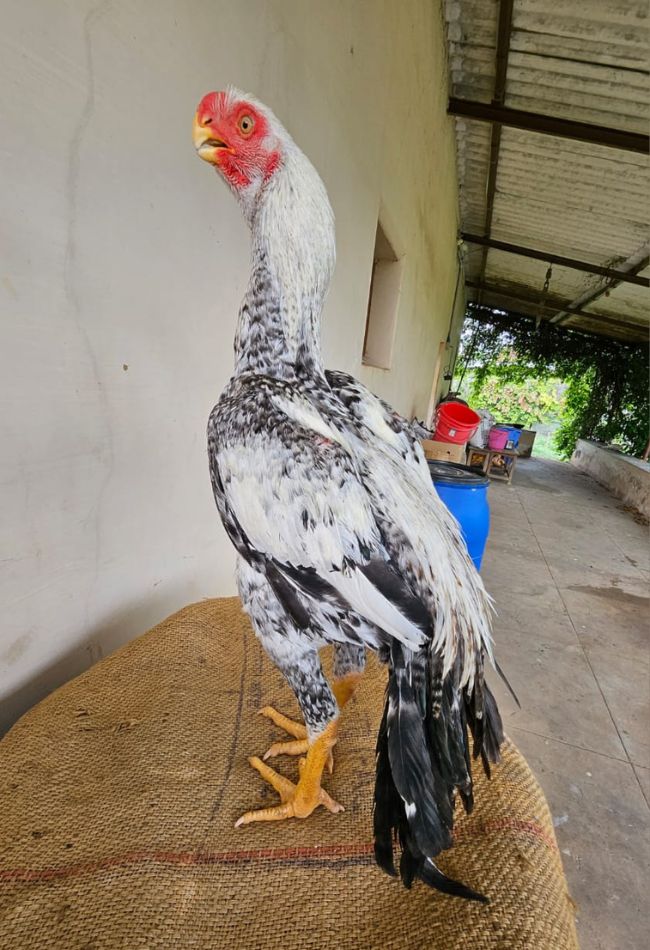
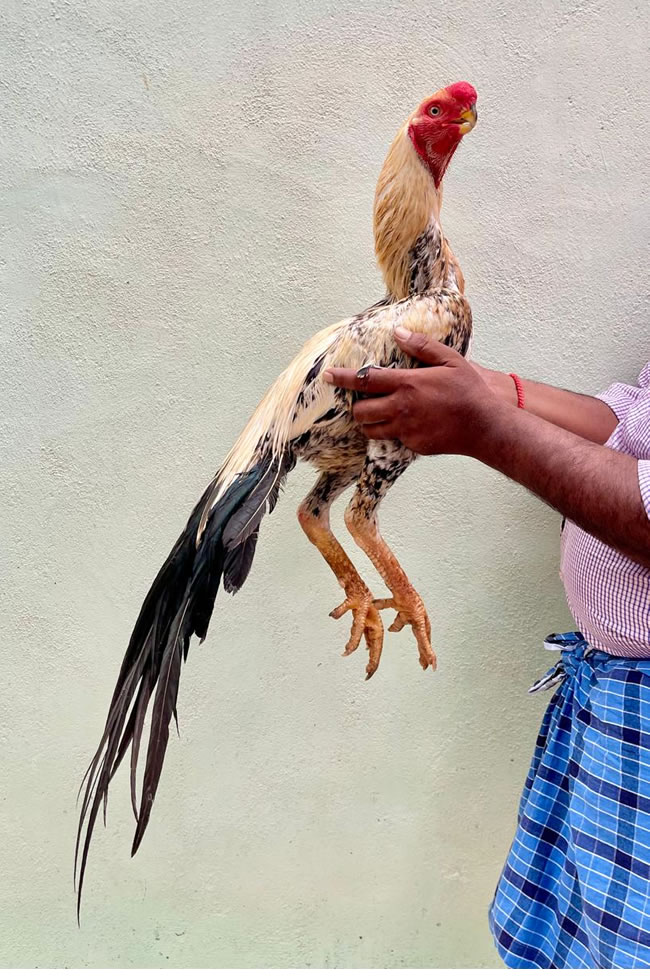

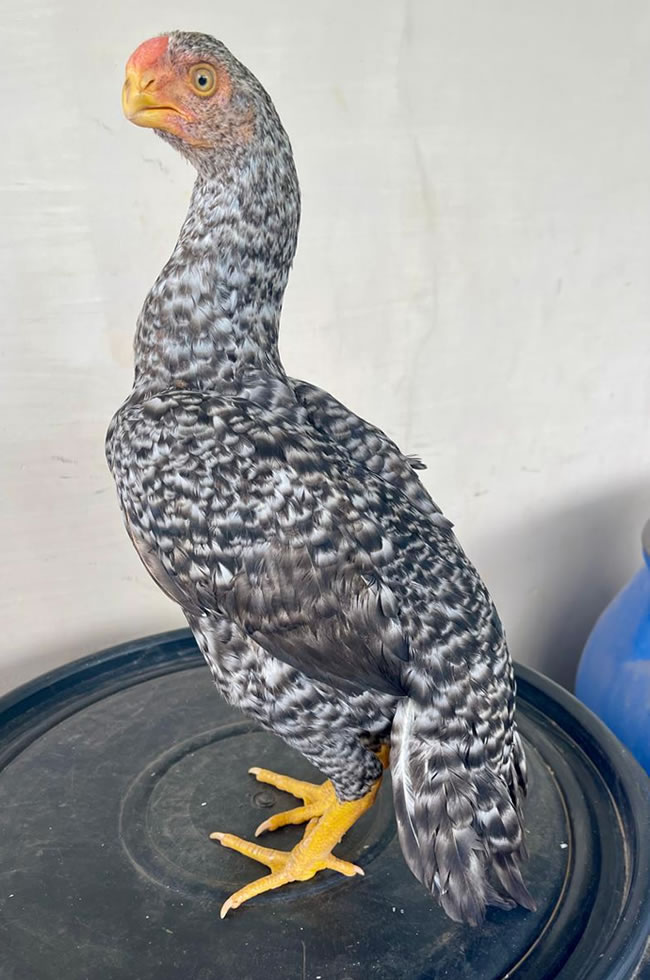

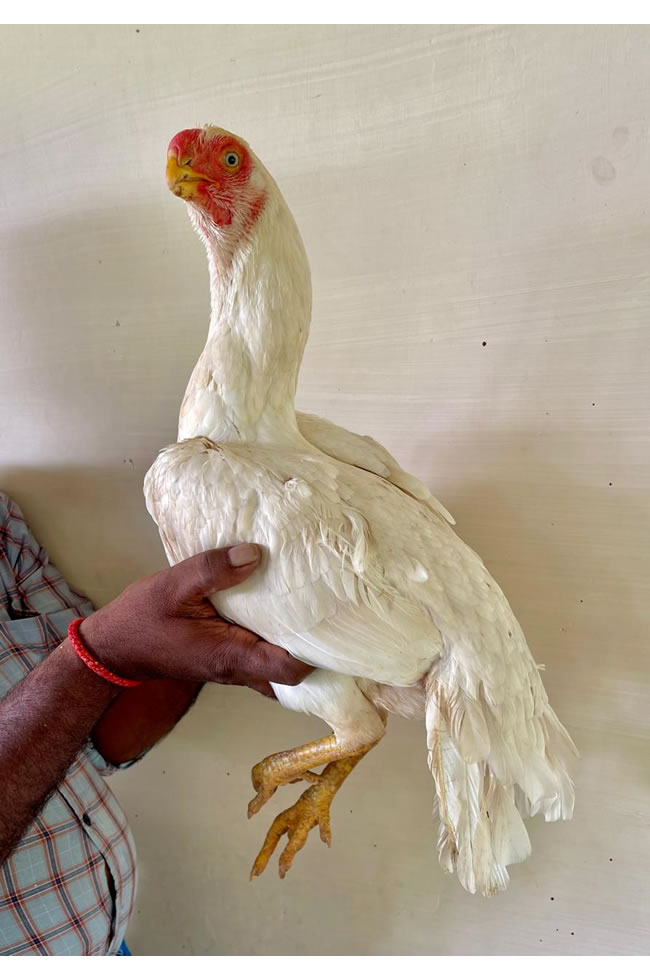
2. What is a Parrot Beak Aseel?
The Parrot Beak Aseel (Kilimookku) gets its name from its most striking feature: an exceptionally short, thick, and sharply curved upper mandible that mirrors a parrot’s beak.
- Physical Structure: These birds display an intimidating, warrior-like upright stance, broad shoulders, a deep chest, and heavily muscled thighs.
- Tail and Plumage: They typically feature long, sweeping, sickle-shaped tails (sometimes referred to as Long Tail Parrot Beak Aseel) and tight, glossy plumage.
- Color Morphs: Popular color variations include Mayil Karuppu (black and yellow), Sevalai (red), Kagam (black and red), and Noolan (white and black).
- Primary Appeal: While historically developed in Southern India for their agility and grit, today they are predominantly sought after by elite hobbyists and collectors for their majestic ornamental beauty and structural rarity.
3. Comparing Parrot Beak Aseel with Other Popular Varieties
To help you choose the right lineage for your farm or backyard, let us compare the Parrot Beak with other prominent Aseel varieties found across India:
| Aseel Variety | Distinct Beak & Head Type | Body Build & Weight | Primary Purpose |
| Parrot Beak Aseel | Short, thick, curved like a parrot (Kilimookku) | Heavy, muscular, long tail; Roosters 5–8 kg | Ornamental, heritage preservation, elite breeding stock |
| Madras Aseel (Peruvedai) | Normal, straight, strong beak | Lower station, massive bone density, heavy build | Dual-purpose utility, traditional line breeding |
| Mianwali Aseel | Medium, round, strong head profile | Compact, tight-built, athletic (2–3 kg range) | Active free-range foraging, agility |
| Reza Asil | Slender, fine head, straight beak | Smaller, lighter frame (Hens 2.5–3.5 kg) | Show exhibitions, traditional backyard keeping |
Key Differences at a Glance
- Head Aesthetics: While standard varieties feature straight, hawk-like or slender beaks, the Parrot Beak variation offers a distinct aesthetic curve that immediately sets it apart in any exhibition.
- Temperament: Aseels across all varieties are fiercely independent and courageous. However, Parrot Beak lines often display an intense, alert demeanor that requires careful flock management.
4. Practical Care and Management Tips
The care of pure Aseels entails knowledge of their distinct physical and mental requirements. In case you buy Aseel chicks one day old or even mature breeding stock from Nithys Aseel Farm, consider these fundamental management pointers:
- Spacious Housing: Aseels do not enjoy being overcrowded. Provide ample square footage in coops and secure outdoor runs to prevent stress-induced feather pecking.
- Individual Separation: Mature roosters must be housed separately once they mature (around 4 to 6 months of age) to prevent territorial clashes.
- Secure Fencing: Because of their long tails and athletic nature, ensure your perimeter fencing is high enough to contain them safely.
5. Nutrition and Feeding Guidelines
Proper nutrition ensures your birds develop dense muscle mass, glossy feathers, and robust immunity.
- Starter Phase (0–8 weeks): Feed a high-protein starter crumble (20% to 22% protein) to support rapid skeletal and muscle development.
- Grower & Maintenance Phase: Transition to a balanced grower feed combined with wholesome grains like cracked maize, bajra, and paddy. Supplement with fresh green grass and calcium sources.
- Hydration: Always ensure access to clean, cool drinking water. During seasonal changes in Tamil Nadu, adding natural electrolytes or immunity-boosting herbs like turmeric and garlic to the water supports gut health.
6. Ethical Breeding Insights
Breeding top-tier Aseels is both an art and a science. When managing your breeding pairs:
- Selectivity: Always breed from parent stock displaying authentic breed standards—strong bone structure, correct beak curvature, clean eye color, and unblemished posture.
- Avoid Inbreeding: Maintain rigorous pedigree records to avoid genetic bottlenecks, which can reduce hatchability and chick vigor.
- Hatching Management: Utilize reliable broody hens or high-grade digital incubators for hatching eggs. Monitor humidity and temperature strictly during the final three days of incubation.
7. Common Mistakes to Avoid
- Overcrowding Chicks: Young Aseel chicks show signs of dominance early. Failing to separate aggressive chicks early can lead to injuries.
- Compromising on Biosecurity: Neglecting routine deworming and vaccination schedules leaves heavy-boned heritage birds vulnerable to common poultry ailments.
- Imbalanced Diets: Feeding kitchen scraps exclusively without adequate protein and a mineral supplementation stunt muscle mass and dulls plumage shine.
8. Buying Advice for First-Time Buyers
If you are planning to purchase Aseel stock:
- Source Responsibly: Always source from trusted breeders like Nithys Aseel Farm in Gobichettipalayam, where birds are ethically bred, vaccinated, and raised with transparent bloodline history.
- Evaluate Health Indicators: Look for bright, alert eyes, clean nostrils, tight feathers, and steady footing. Avoid birds with pale, drooping combs or signs of respiratory distress.
- Start Small: Beginners can start with healthy 30-day-old Aseel chicks or fertile hatching eggs to learn brooding techniques before investing heavily in mature breeding pairs.
9. Frequently Asked Questions (FAQs)
1. What makes the Parrot Beak Aseel different from regular Aseels?
The defining characteristic is its short, curved upper beak resembling a parrot (Kilimookku), combined with an exceptionally muscular body and sweeping long tail.
2. Are Parrot Beak Aseels good egg layers?
Like most authentic Aseel varieties, they are primarily bred for meat, ornamental appeal, and heritage traits rather than commercial egg production. Hens lay moderate clutches of tinted eggs and make exceptional, protective mothers.
3. How can I purchase birds or hatching eggs from Nithys Aseel Farm?
Nithys Aseel Farm, located in Gobichettipalayam (Gobi) near Erode, Tamil Nadu, supplies pure bloodline Aseels, chicks, and hatching eggs to customers across India through secure, stress-free transport methods.
4. Do Aseel chickens adapt well to hot climates?
Yes. Indian Aseels are inherently heat-tolerant and thrive exceptionally well in tropical and semi-arid climates across India, provided they have access to shade and fresh water.
5. At what age do Aseel roosters start showing aggressive behavior?
Young roosters typically begin practicing sparring and displaying territorial dominance between 3 to 5 months of age, at which point they should be housed individually.
6. What is the average weight of a mature Parrot Beak Aseel?
Mature roosters generally weigh between 5 to 8 kg, while hens typically range from 4 to 6 kg, depending on the specific bloodline and nutritional management.
7. Are Aseel chicks difficult to raise for beginners?
They require standard brooding care—warmth, clean water, and proper protein-rich feed. Because they are active and alert early on, providing adequate space prevents minor pecking issues.
8. Can Aseel chickens be raised in free-range setups?
Absolutely. Aseels excel in free-range and semi-intensive environments, where they love to forage for insects, seeds, and greens, building strong muscle and immunity.
9. How do I ensure I am buying a pure bloodline Aseel?
Always purchase from established, reputable breeders like Nithys Aseel Farm who maintain authentic stock lineage, physical breed standards, and proper vaccination records.
10. What is the ideal feed protein percentage for growing Aseel chicks?
A balanced starter feed containing 20% to 22% protein is ideal for the first 8 weeks to support their heavy bone and muscle structure development.
Disclaimer: The information provided in this blog post is for general informational purposes only. While we strive to keep the content accurate and up to date, we do not guarantee its completeness, reliability, or accuracy. Any actions you take based on this information are strictly at your own risk. We are not responsible for any losses, damages, or inconveniences that may arise from the use of this blog. For professional advice, please consult a qualified expert.
