
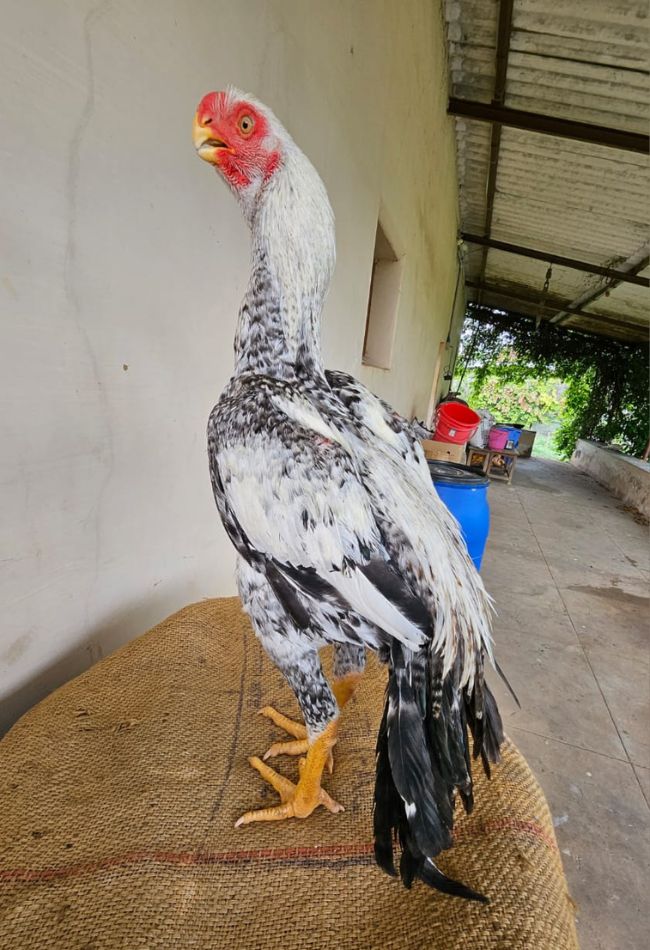
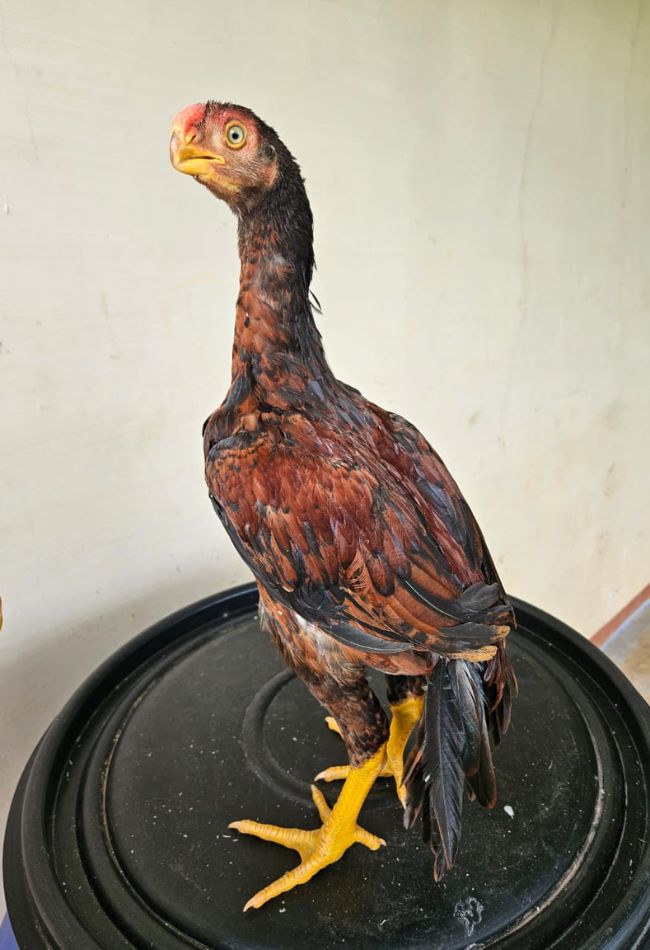
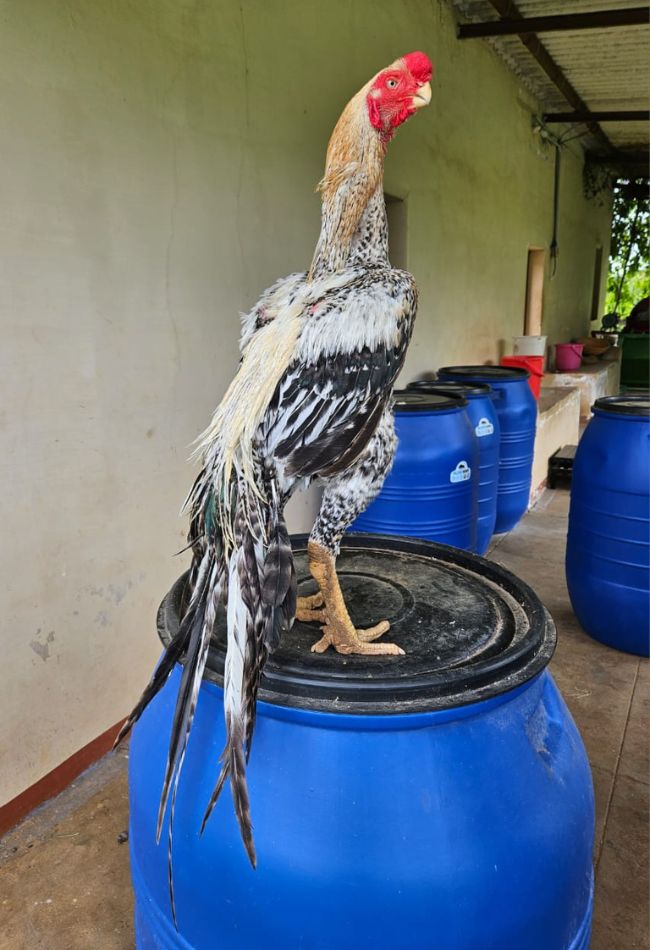
The Aseel chicken enjoys a mythical status in India because of its sheer power, tenacity, pride, and physical appearance. There are several varieties and phenotypes of Aseels that are revered by their breeders; however, the Parrot Beak Aseel chicken is an exceptional creation. The Parrot Beak Aseel chicken is named after its physical appearance, which consists of a curved upturned upper beak similar to that of a parrot’s. This feature not only gives it a distinctive appearance but is also a traditional symbol of purity and strength, along with predatory-style fighting conformation.
For people who are interested in breeding and maintaining the purity of the Parrot Beak Aseel chicken, there is no lack of confusion when it comes to finding one in the current market environment.
Whatever you may require – whether establishing a new flock or incorporating a superior bloodline into your existing one – knowing the subtleties of the bird’s skull structure, beak alignment, and other characteristics is very important. Here we take a look at all that is necessary for determining a genuine Parrot Beak Aseel, caring for it properly, and acquiring it from the Nithys Aseel Farm located in Gobichettipalayam (Gobi), near Erode, Tamil Nadu.
1. Defining Characteristics of the Parrot Beak Aseel
In order to distinguish a pure Parrot Beak Aseel from any other bird, it is not enough to focus only on its plumage; rather, one must pay attention to the cranial structure of the bird.
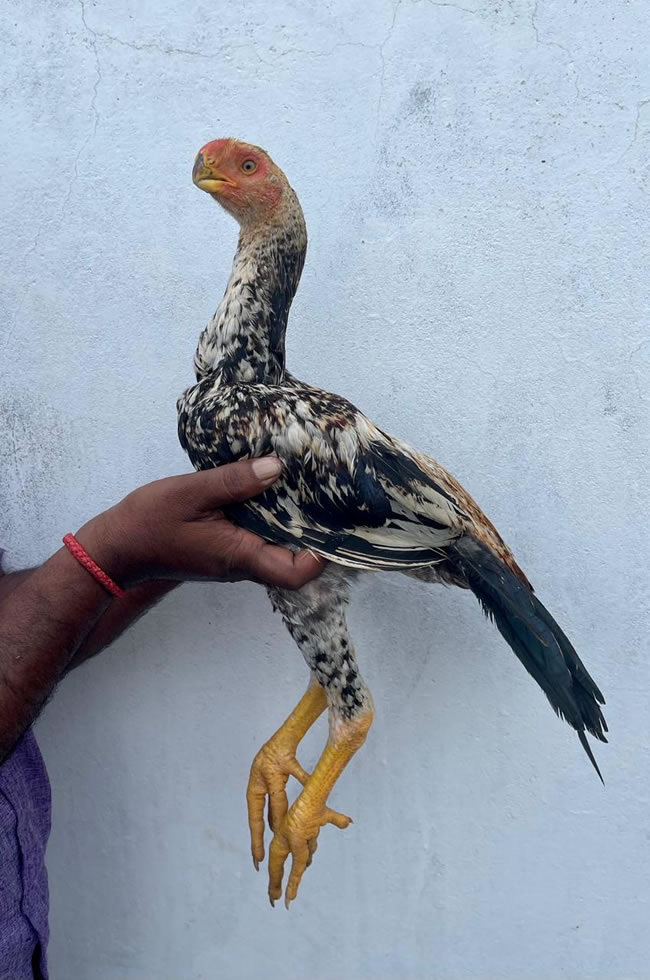
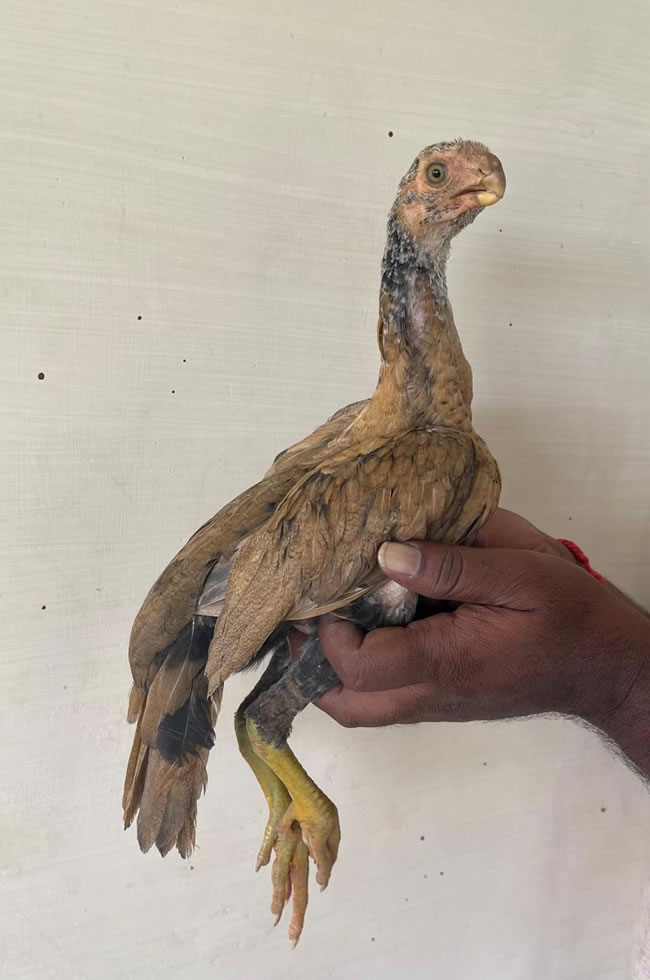
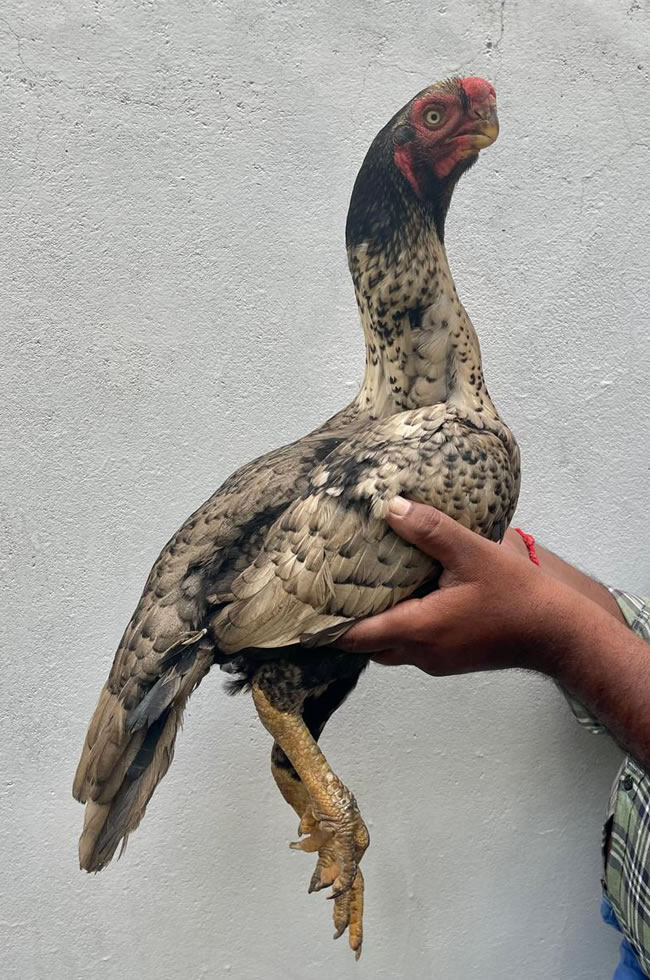
The Signature Beak Structure
The defining feature of this strain is the beak itself.
- The Curve: The upper beak exhibits a pronounced, downward hook that overlaps the lower mandible cleanly.
- Thickness and Strength: The beak base is exceptionally thick, wide, and deep, indicating powerful jaw muscles and a strong bite.
- Coloration: Depending on the specific colour variety (such as Killai, Sonu, or Black Breasted Red), the beak colour typically ranges from horn to deep yellow or slate gray, but it must be solid and free from structural deformities or misalignment.


Skull and Eye Placement
A true Parrot Beak Aseel possesses a broad, hawk-like skull with prominent brow ridges.
- Eye Colour and Position: The eyes are deep-set under heavy, projecting supraorbital ridges, which protect them during sparring. Eye color is typically pearl, yellow, or light orange, radiating alertness and courage.
- Comb and Wattles: Most pure strains feature a small, tight pea comb or walnut comb that sits flat against the skull, minimizing vulnerable surface area. Wattles are often very small or entirely absent.
2. Body Conformation, Posture, and Bone Density
Aseel chickens are heavy, muscular athletes of the poultry world. Evaluating physical build is just as important as examining the head when verifying purity.
- Erect Stature: A healthy, pure Aseel stands tall with an upright, commanding posture. The spine inclines downward toward the tail, creating the classic “camel-back” or sloping profile.
- Broad Chest and Shoulders: The breast is wide, heavily muscled, and prominent. When held, the bird should feel remarkably heavy for its size due to dense, compact bone structure.
- Tail Carriage: The tail is narrow, moderately long, and held pointing downward toward the ground rather than fanning out upright like a standard backyard chicken.
3. Temperament and Behavioural Traits
Genetics dictate behaviour. A pure Parrot Beak Aseel exhibits distinct psychological traits that separate it from common utility breeds.
- Alertness and Agility: These birds are hyper-observant. They scan their environment constantly and react instantly to movement or changes in surroundings.
- Dignified Confidence: Unlike flighty commercial layers, pure Aseels carry themselves with calm authority. They rarely panic, displaying quiet resilience and high intelligence.
- Territorial Instincts: Roosters possess strong protective instincts over their hens and flock territory, making secure boundary management essential.
4. Proper Care, Housing, and Environment
Managing high-value heritage poultry requires thoughtful husbandry, especially given India’s diverse climatic conditions.
- Spacious Housing: Aseel birds are active and require ample room. Confining them in cramped quarters leads to stress and feather pecking. Provide secure, well-ventilated coops with plenty of dry bedding.
- Free-Range Access: Whenever possible, allow birds access to secure outdoor runs with natural soil, grass, and sunshine. This supports natural foraging behaviours and leg strength.
- Climate Management: While Aseels adapt well to tropical climates like Tamil Nadu, ensure shaded retreats during peak summer heat and draft-free, dry quarters during the monsoon season.
5. Nutrition and Feeding Strategies for Muscle and Bone Development
Building a robust, heavy-boned Aseel requires a nutrient-dense diet tailored to its growth stages.
- High-Protein Feed: Growing chicks and breeding stock require quality starter and grower rations containing 18% to 20% protein to support rapid muscle development.
- Traditional Grains and Supplements: Incorporate whole grains like cracked corn, finger millet (ragi), and wheat, alongside fresh green fodder.
- Calcium and Minerals: Provide crushed oyster shells and clean grit to support strong bone density and efficient digestion. Clean, cool drinking water must be available at all times.
6. Breeding Best Practices and Preserving Pure Bloodlines
Preserving the integrity of the Parrot Beak Aseel requires disciplined breeding protocols rather than random mating.
- Line Breeding vs. Outcrossing: Maintain meticulous breeding records to track parentage and avoid inbreeding depression. Introduce ethical outcrosses only when necessary to improve vigor while retaining core phenotypic traits.
- Rigorous Culling: Select only specimens that strictly display the parrot beak curvature, heavy bone structure, and ideal temperament for continuation programs.
- Hatching Management: Utilize reliable natural brooding with proven hens or calibrated artificial incubators to ensure high hatch rates for hatching eggs.
7. Common Mistakes to Avoid When Buying Aseel Chickens
Purchasing heritage poultry can be challenging for beginners. Avoid these common pitfalls to protect your investment:
- Focusing solely on the Beak: Some sellers file or crossbreed birds to mimic a curved beak while ignoring overall skeletal structure, posture, and health.
- Neglecting Health Records: Buying unverified birds without checking vaccination and deworming history introduces disease into your yard.
- Overlooking Climate Adaptation: Ensure the birds you purchase are raised in environments that build natural resilience.
- Impulse Buying: Always research the breeder’s reputation and ask for transparent lineage details before committing.
8. Sourcing Authentic Stock from Nithys Aseel Farm
Identifying a good, credible breeder is vital in raising healthy birds. This farm is located at Gobichettipalayam, Gobi, near Erode, Tamil Nadu. Nithys Aseel Farm is known to be a credible one, especially amongst the poultry breeders in India.
Specializing in ethical breeding of pure breeds of Aseel birds, Nithys Aseel Farm takes care of maintaining a high standard in the breeding of their flocks. Whether you are looking for true Parrot Beak Aseel, strong Aseel chicks, premium Aseel birds, or fertile eggs for hatching, you can find them here. Raising them through proper feeding, bio-security, and care, Nithys Aseel Farm provides you the best.
Frequently Asked Questions (FAQs)
1. What is a Parrot Beak Aseel?
It is a traditional Aseel strain characterized by a sharply curved, hook-like upper beak that resembles a parrot’s bill, combined with heavy bone structure and an upright posture.
2. Is the parrot beak trait genetic?
Yes, it is a heritable genetic trait passed down through selective breeding of pure bloodlines over multiple generations.
3. How can I verify if an Aseel chick has a pure parrot beak?
While beak curvature becomes more pronounced as the bird matures, pure chicks typically show a thicker, slightly hooked upper mandible at an early age alongside a broad skull.
4. Are Parrot Beak Aseels aggressive?
They possess strong territorial and game instincts. Proper socialization, adequate space, and correct flock management are essential to manage their behavior effectively.
5. What climate is best suited for raising Aseel chickens?
Aseels are remarkably hardy and adapt exceptionally well to tropical and subtropical climates, thriving naturally across diverse regions of India.
6. Where can I buy pure Parrot Beak Aseel birds in India?
Trusted breeders like Nithys Aseel Farm in Gobichettipalayam, near Erode, Tamil Nadu, specialize in ethically bred pure bloodline Aseels and ship securely across India.
7. What products are available at Nithys Aseel Farm?
They offer healthy Parrot Beak Aseel adults, vigorous Aseel chicks, elite breeding stock, and high-fertility hatching eggs.
8. How often should Aseel chickens be vaccinated?
Follow a standard local vaccination schedule against prevalent regional poultry diseases such as Newcastle disease and Fowl Pox, consulting an avian vet for guidance.
9. What is the ideal feed for adult Aseel roosters?
A balanced ration of grains, green fodder, supplemental protein, and clean water supports their heavy muscle mass and active metabolism.
10. Why is ethical breeding important for Aseel chickens?
Ethical breeding preserves the authentic historical traits, stamina, structural soundness, and genetic diversity of this irreplaceable Indian heritage breed.
Disclaimer: The information provided in this blog post is for general informational purposes only. While we strive to keep the content accurate and up to date, we do not guarantee its completeness, reliability, or accuracy. Any actions you take based on this information are strictly at your own risk. We are not responsible for any losses, damages, or inconveniences that may arise from the use of this blog. For professional advice, please consult a qualified expert.
