The ancient city of Tiruchirappalli, popularly known as Trichy, has been known since time immemorial as a hub of culture and agriculture in Tamil Nadu. Among the many traditional practices prevalent in the area, the rear-end rising of chickens and the conservation of traditional game fowl is something that stands out. It is becoming more common among farmers and hobbyists in the delta regions to pay attention to one of the most prized and majestic breeds in the country – the Parrot Beak Aseel.
Also called Kilimookku Aseel, this prestigious strain is greatly admired for its dignified bearing, fierce character, and unique facial structure. Whatever your objective may be – whether you want to establish a back-yard breeding program or strengthen your existing flock, finding genuine bloodline can prove to be difficult. If you are among those looking for Parrot Beak Aseel breeders near Tiruchirappalli, you can always rely on Nithys Aseel Farm in Gobichettipalayam (Gobi), near Erode.
Understanding the Parrot Beak Aseel Breed
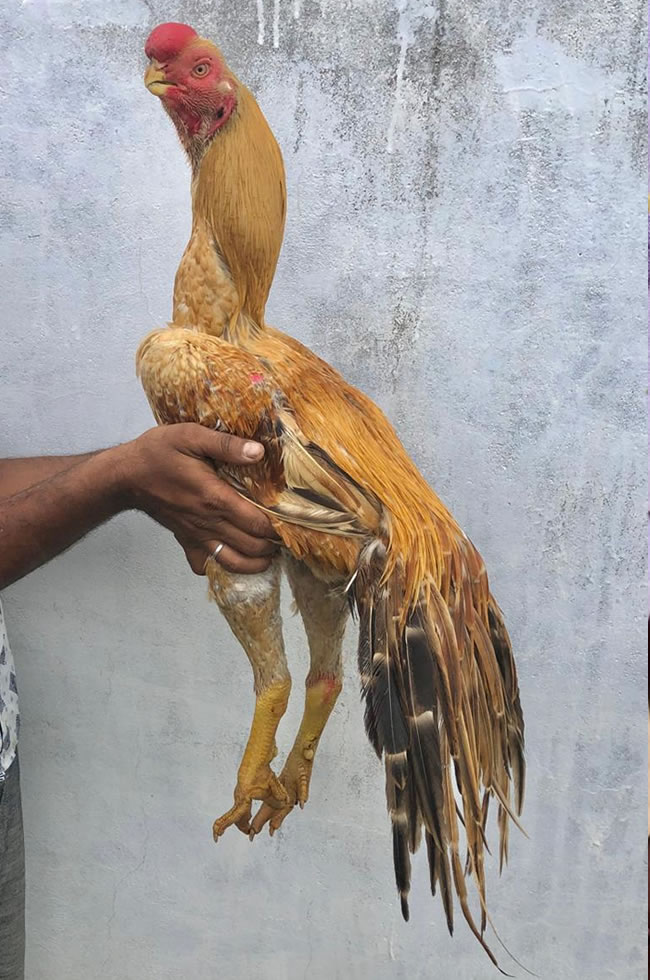
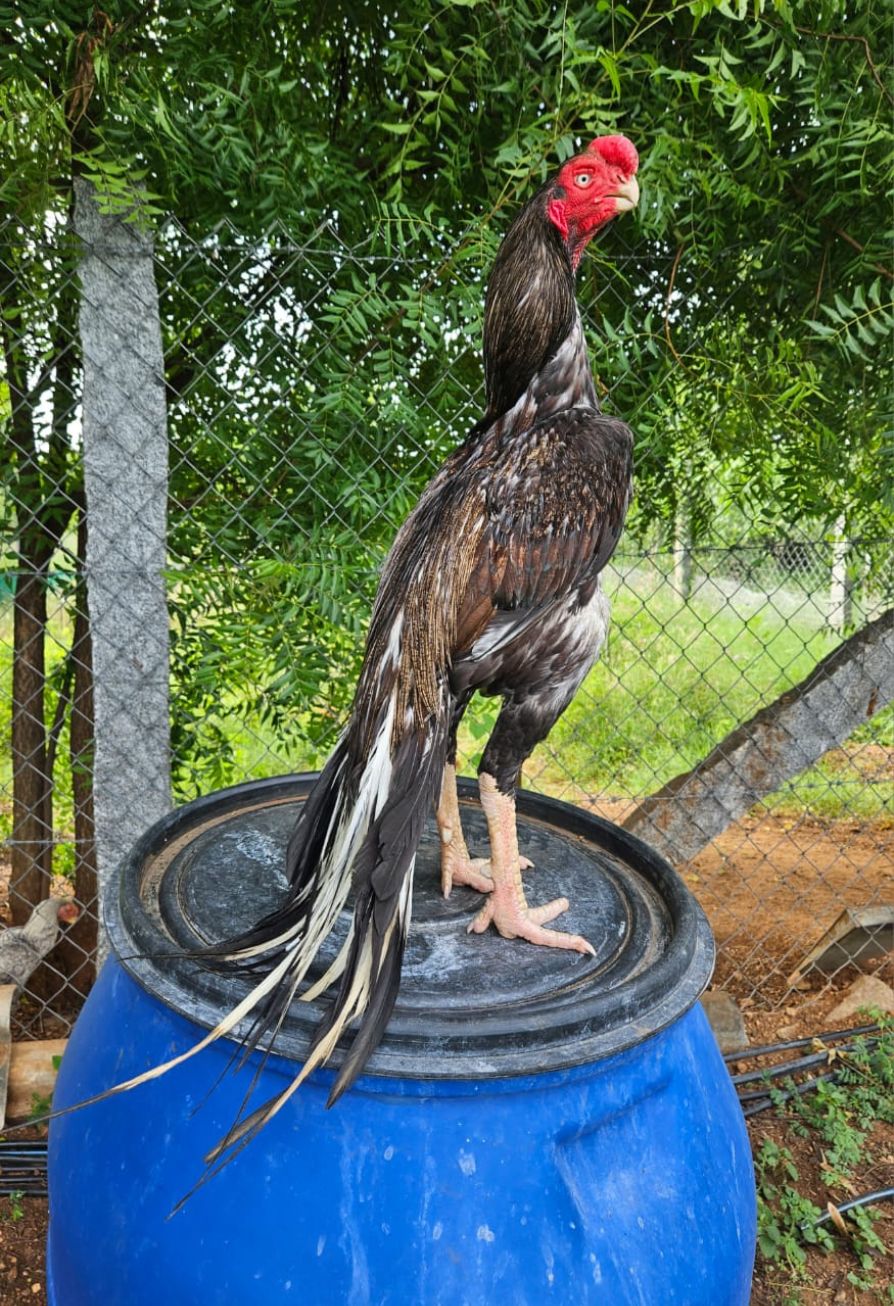
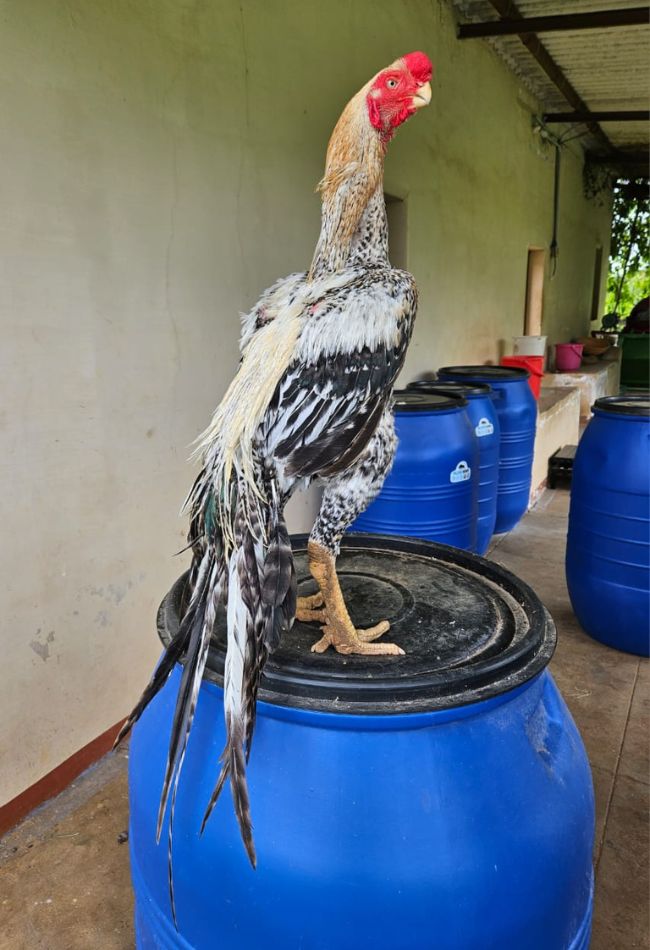
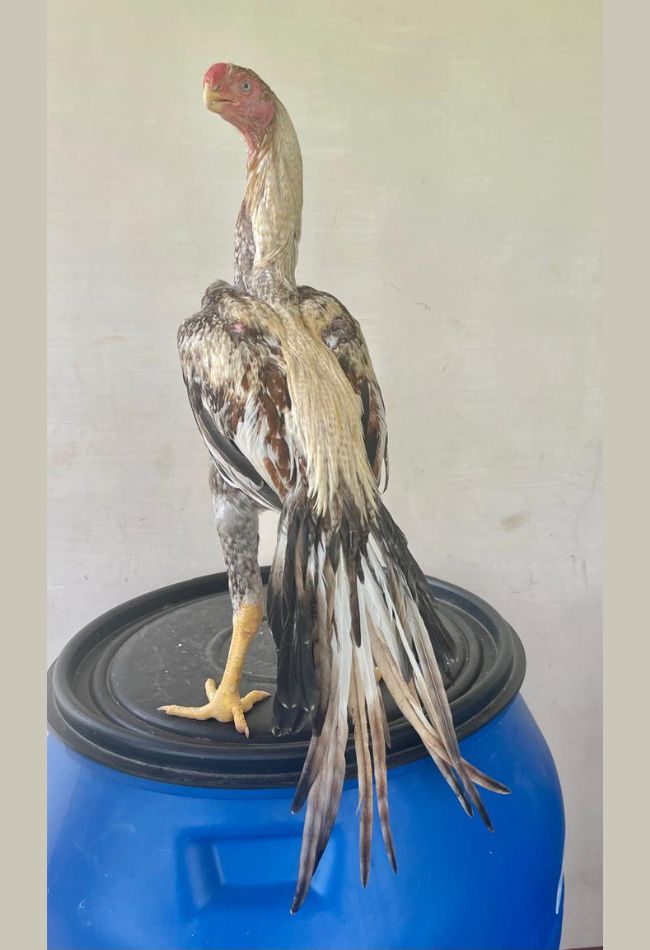
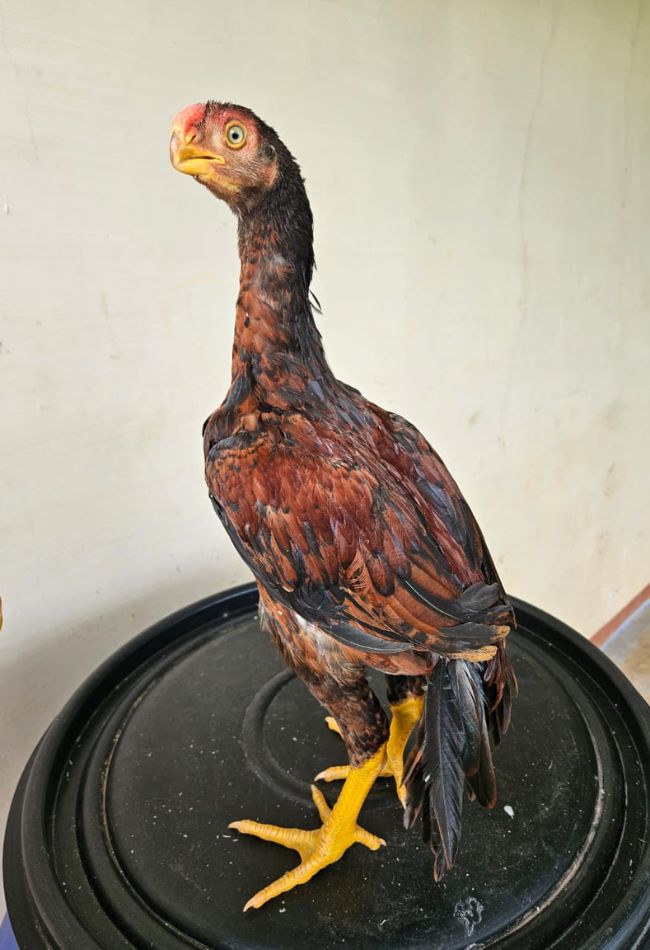
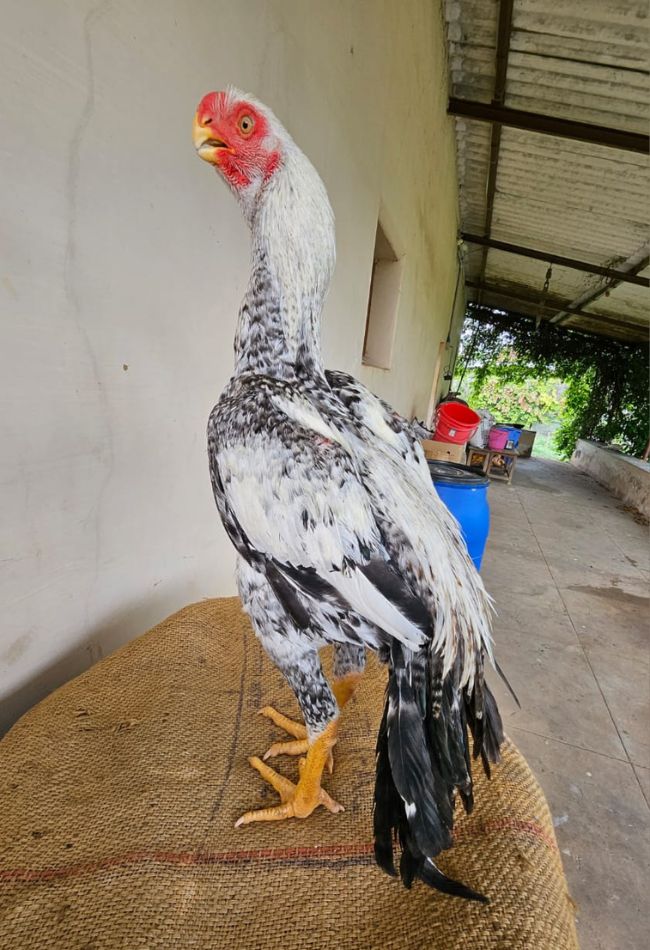
The Parrot Beak Aseel is widely celebrated for its distinctive, downward-curved beak that closely mirrors that of a parrot. Beyond this unique facial structure, these birds possess an imposing physical presence:
- Sturdy Build: They feature broad shoulders, a deep, muscular chest, and a powerful, athletic frame.
- Plumage and Tail: Their feathers are short, hard, and tightly fitted to the body, often complemented in elite lines by magnificent, sweeping long tails.
- Temperament: Bold, alert, and fiercely independent, these birds exude natural confidence and a warrior-like gait.
Historically cherished for their extraordinary stamina, today’s Parrot Beak Aseel is equally valued by preservationists and ornamental poultry collectors who appreciate its striking aesthetics and historical lineage.



Essential Qualities to Look for in Local Aseel Buyers’ Guides
In selecting good breeds in places such as Trichy, one needs to have a discerning eye in dealing with the market. This involves avoiding backyard dealers that offer crosses by assessing livestock according to set criteria:
1. Skeletal and Facial Proportions
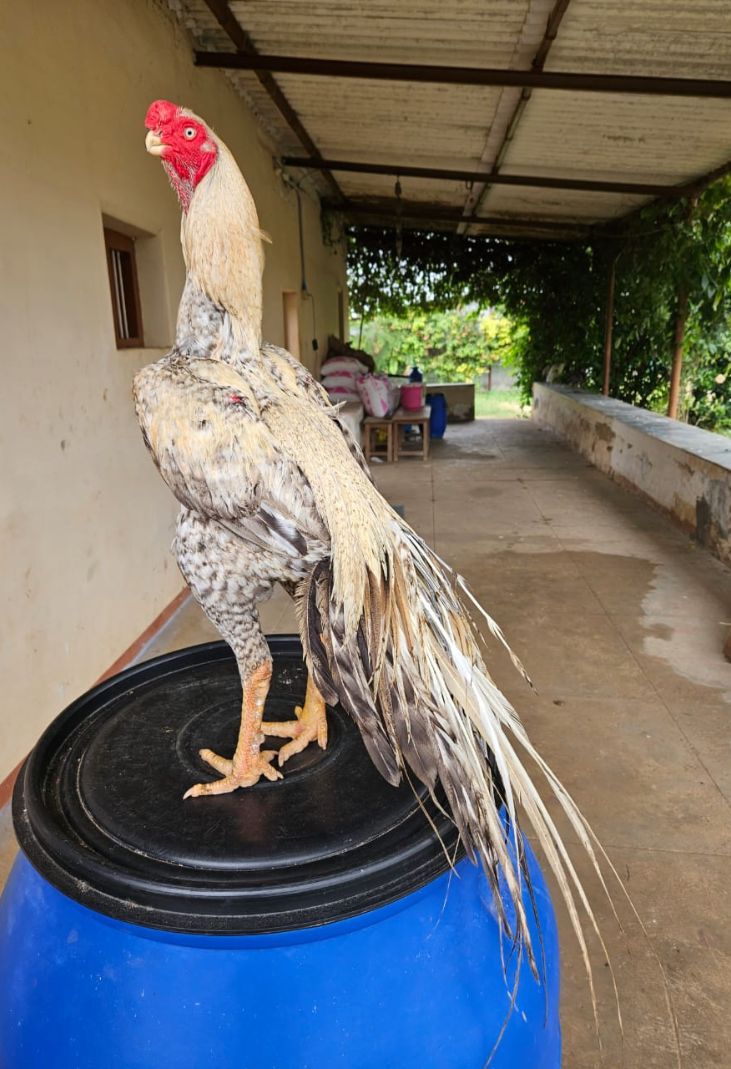
Take a look at the head. An authentic Parrot Beak will have a short, thick, and highly curved upper beak that fits tightly on the lower jaw. The head must be wide enough to accommodate pearl, yellow, or white eyes.
2. Bone Density and Stance
The bird must be lifted to assess the balance of weight. A good Aseel appears to be very heavy for its size owing to its bone and muscle composition. The legs should be thickly scaled and wide apart.
Sourcing from Nithys Aseel Farm: Quality You Can Trust
As a poultry keeper in Tiruchirappalli who wishes to circumvent local market uncertainties, Nithys Aseel Farm can be considered a prime choice. Located in Gobichettipalayam (Gobi), close to Erode, in Tamil Nadu, the farm is known for rearing quality Aseel chickens in their pure breed.
Unlike commercial ventures that focus on mass production, Nithys Aseel Farm has made a name for itself through its ethical breeding techniques and careful selection of healthy stock to maintain the vigor of the breed. Be it active Parrot Beak Aseel roosters, healthy Aseel chickens, breeding stock, or fertile eggs for hatching, the farm has a clear approach with reliable delivery networks all over India.
Practical Care and Housing Management
Raising high-value heritage birds like the Parrot Beak Aseel demands attention to environmental setup and daily routine:
- Spacious Enclosures: Because of their active and territorial nature, these birds require ample free-range space or large, secure runs to prevent stress and feather damage.
- Individual Housing: Mature roosters must be housed separately to prevent aggressive territorial clashes. Use wire-mesh partitions that allow visual contact without physical injury.
- Dry Bedding: Keep coops impeccably clean and dry. Hardfeather breeds are susceptible to footpad issues and respiratory ailments if forced to roost in damp, ammonia-rich litter.
Nutritional Requirements for Optimum Growth
A heavy, muscular frame requires a nutrient-dense diet to reach its full genetic potential. Implement a phased feeding schedule:
- Starter Phase (0 to 8 weeks): Feed a high-protein starter crumble (20% to 22% protein) to support rapid skeletal and beak development.
- Grower Phase: Transition gradually to whole grains like cracked corn, bajra (pearl millet), and wheat, supplemented with fresh green fodder to supply natural vitamins.
- Breeding and Maintenance: Adult birds benefit from calcium supplements, crushed oyster shells, and occasional protein boosters like boiled eggs or soaked green gram to maintain feather sheen and reproductive health.
Breeding Strategies and Avoiding Common Mistakes
Successful Aseel breeding is both a science and an art. Avoiding common pitfalls ensures the longevity of your breeding program:
- Mistake 1: Inbreeding Too Closely. Continually pairing closely related birds leads to reduced stamina, lower hatchability rates, and structural defects. Introduce unrelated, verified bloodlines periodically.
- Mistake 2: Neglecting Biosecurity. Introducing unknown birds into an established flock without a 14-day quarantine period risks introducing contagious pathogens like Newcastle disease or respiratory infections.
- Mistake 3: Overlooking Parasite Control. Regularly check your birds for external mites and internal worms, executing a disciplined deworming and vaccination schedule under veterinary advice.
Frequently Asked Questions (FAQs)
1. What defines a Parrot Beak Aseel?
A Parrot Beak Aseel is distinguished by its short, heavily curved upper beak resembling a parrot’s bill, coupled with a muscular body, compact pea comb, and courageous demeanor.
2. Are Parrot Beak Aseels suitable for beginners?
While they are remarkably hardy and easy to feed, their spirited temperament and need for individual housing mean beginners must be willing to learn basic gamefowl management practices.
3. Can I get birds delivered from Gobi to Tiruchirappalli?
Yes. Trusted breeders like Nithys Aseel Farm coordinate safe, stress-free transit options for chicks, breeding stock, and hatching eggs across Tamil Nadu and major cities nationwide.
4. What is the ideal diet for growing Aseel chicks?
A balanced ration containing 20–22% quality protein during their early weeks, followed by a mix of clean grains, greens, and fresh water, ensures robust growth.
5. How do I differentiate between pure bloodlines and crossbreeds?
Pure bloodlines exhibit uniform breed characteristics, including the specific head shape, robust bone thickness, eye color consistency, and authentic stance without mixed feather traits.
6. Do Aseel hens make good mothers?
Yes, Aseel hens possess fierce maternal instincts, excel at natural hatching, and aggressively protect their chicks from predators.
7. How often should adult roosters be vaccinated?
Consult local veterinarians for a regional vaccination schedule, typically covering Ranikhet (Newcastle disease) and fowl pox biannually or as recommended.
8. Why are Parrot Beak Aseels more expensive than commercial breeds?
Their rarity, strict selective breeding requirements, slow growth rate, and high ornamental and heritage value contribute to their premium pricing.
9. How can I purchase authentic birds from Nithys Aseel Farm?
You can directly contact Nithys Aseel Farm based in Gobichettipalayam, near Erode, to discuss current stock availability, pricing, and secure shipping arrangements to your location.
Disclaimer: The information provided in this blog post is for general informational purposes only. While we strive to keep the content accurate and up to date, we do not guarantee its completeness, reliability, or accuracy. Any actions you take based on this information are strictly at your own risk. We are not responsible for any losses, damages, or inconveniences that may arise from the use of this blog. For professional advice, please consult a qualified expert.
