
The magnificent Aseel Chicken enjoys legendary reputation all throughout rural India owing to its tremendous stamina, regal bearing, and indomitable nature. Amongst the many types available, the Parrot Beak Aseel has been found to be one of the most sought after regional ecotypes. The special characteristic features of this type include its unique curved beak, similar to that of a parrot, along with its high bone density.
In case you are looking out for good strains in the regions of Salem, Erode, and Gobichettipalayam, it becomes important to know the dynamics of the market there.
Understanding the Parrot Beak Aseel Breed Characteristics
Before investing in live birds, it helps to identify the authentic physical and behavioural markers of a true Parrot Beak Aseel.
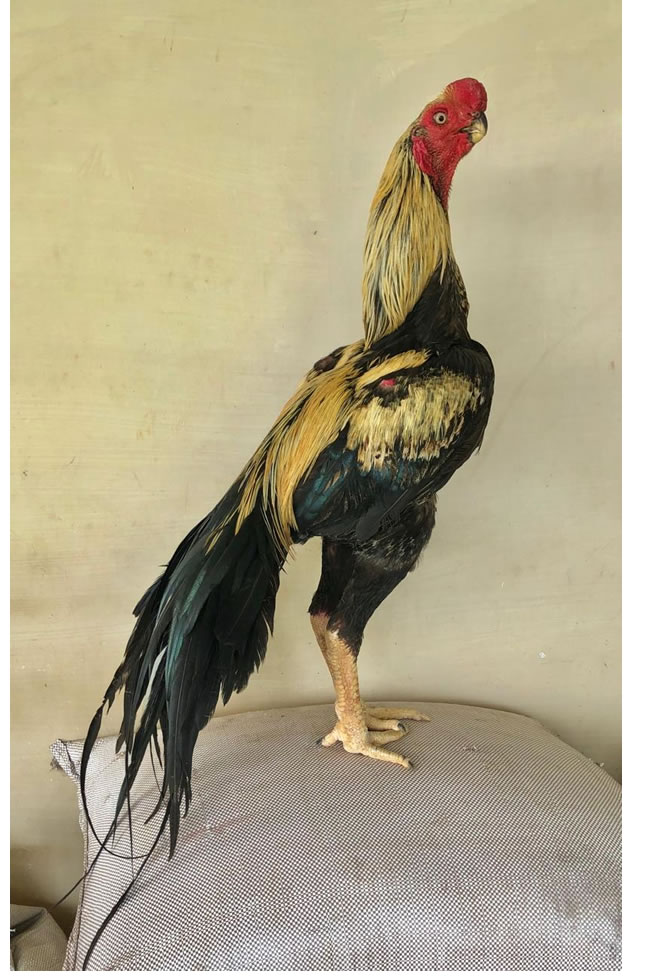
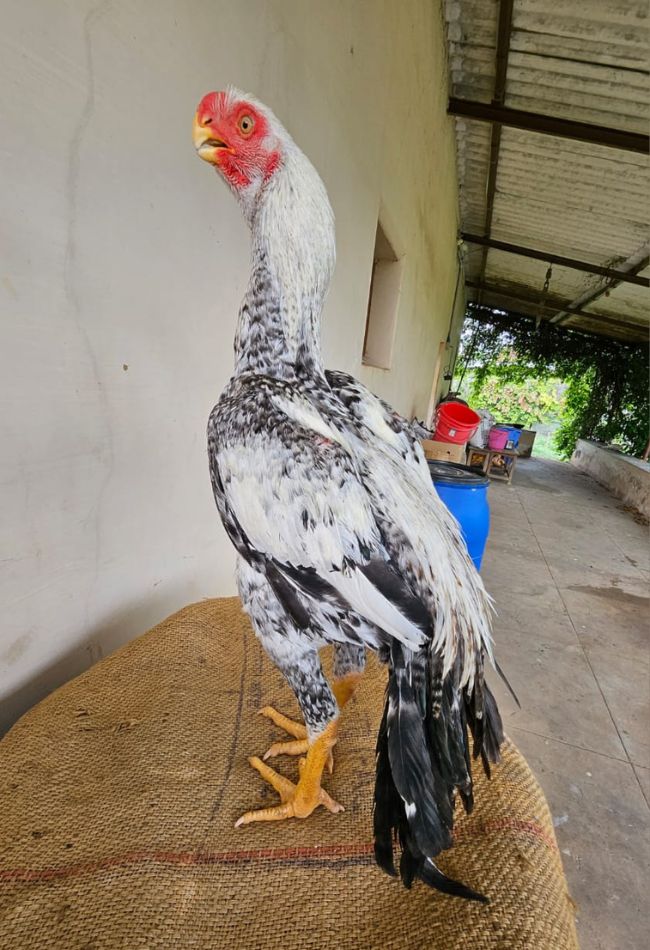
- The Beak Structure: The defining characteristic is a short, thick, strongly curved upper mandible that overlaps the lower bill, mimicking a parrot.
- Bone Density and Build: These are heavy-boned, muscular birds with a broad chest and a proud, upright stance. Roosters typically display strong, well-muscled yellow legs and a powerful frame.
- Plumage and Tail: Authentic specimens often exhibit striking multicolour plumage—ranging from golden-yellow hackles and rich red body feathers to glossy black breast and tail feathers. A long, flowing tail adds to their royal aesthetic.
- Temperament: Highly alert, confident, and spirited, these birds require adequate space to display natural foraging behaviours.
Local Buying Considerations in Salem and Surrounding Regions
Salem is an important center for both commercial activities and agriculture in the state of Tamil Nadu; therefore, many poultry farmers in Namakkal, Dharmapuri, and Erode come to Salem to find suitable poultry breeders. But finding them is not an easy task.
1. Check the Purity of the Strain
In the market, most of the backstreet traders advertise their hybrids as pure breeds. While looking for good Parrot Beak Aseel breeders in Salem, make sure that the breeders’ parents have consistent head shape, eye color (pearl/yellow) and beak curve.
2. Consider Health Issues
Health is of paramount importance while choosing your Parrot Beak Aseel breeder. Look at the bird’s activity level, clean eyes, nose and tight feathers.
3. Prioritize Ethical Breeding Farms
By dealing with existing breeders, there is an assurance that the birds have not been subjected to inbreeding depression. The ethical ones concentrate on structural strength, disease resistance, and vitality. For example, Nithys Aseel Farm located in Gobichettipalayam (Gobi), close to Erode, has earned a good name for providing purebred Aseel chicken breeds including Parrot Beak Aseel, Aseel chicks, and hatching eggs.
Practical Care and Housing Essentials
Raising high-end Aseel poultry requires a commitment to proper infrastructure and biosecurity.
- Spacious Housing: Aseel birds are fiercely independent and territorial. Provide ample square footage per bird in open-run coops to prevent aggressive pecking and feather damage.
- Dry Flooring: Keep brooding and adult coops exceptionally dry. High humidity combined with droppings can cause footpad dermatitis and respiratory issues.
- Robust Fencing: Because of their active nature and strong legs, ensure your perimeter fencing is high and secure.


Feeding Strategies for Optimal Growth
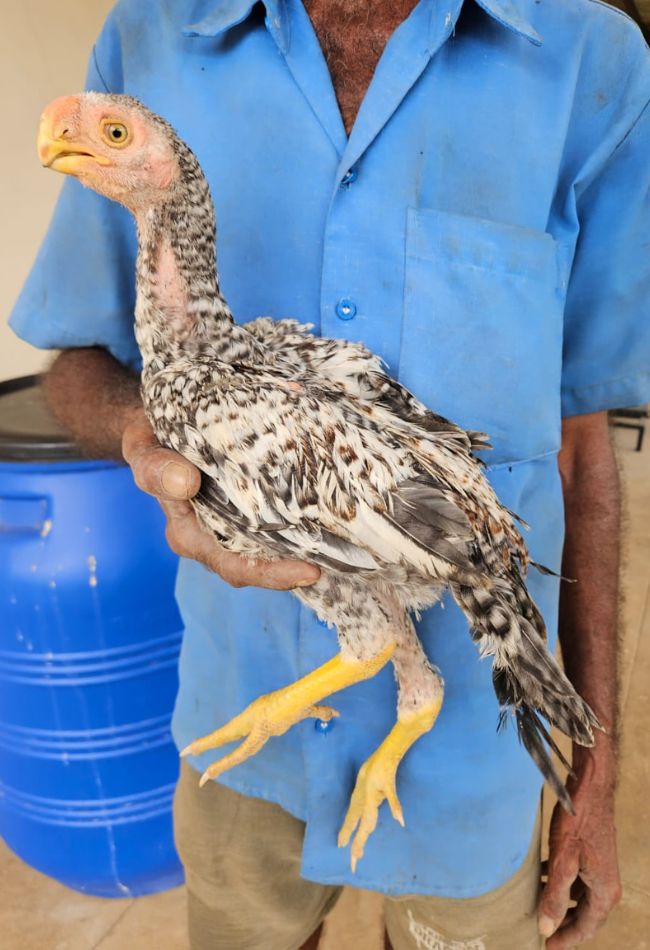
Genetics dictate the potential of a Parrot Beak Aseel, but nutrition determines its ultimate expression.
- Protein-Rich Diet: Growing chicks need 20–22% protein content in their starter feed to support heavy bone development and muscle mass.
- Natural Supplementation: Supplement commercial feed with clean greens, calcium sources like crushed oyster shells, and whole grains such as broken maize and ragi to boost vigor.
- Hydration: Clean, cool water must be accessible around the clock, especially during the hot summer months prevalent in Tamil Nadu.
Common Mistakes to Avoid
- Overcrowding: Crowding leads to stress, feather-pecking, and rapid transmission of pathogens.
- Skipping Quarantine: Always isolate new arrivals for at least 14 to 21 days before introducing them to your main flock.
- Ignoring Vaccination Schedules: Protect your investment against regional poultry threats like Ranikhet (Newcastle disease) and Fowl Pox through timely veterinary consultations.
Frequently Asked Questions (FAQs)
1. What makes the Parrot Beak Aseel different from standard Aseel breeds?
The primary differentiator is its short, curved, parrot-like beak structure, combined with a heavy bone density, a commanding stance, and frequently elongated tail feathers.
2. Are Parrot Beak Aseel chickens suitable for beginners?
While they are hardy and disease-resistant, their spirited and independent temperament means they require experienced handling and secure housing, making them better suited for dedicated hobbyists and intermediate poultry keepers.
3. How can I verify if a breeder in Salem is selling pure bloodlines?
Ask for lineage history, inspect the parent stock’s physical markers (such as skull shape and beak profile), and buy from established, transparent farms like Nithys Aseel Farm rather than unverified roadside vendors.
4. What is the ideal climate and setup for raising these birds?
They adapt exceptionally well to tropical Indian climates, provided they have shaded outdoor runs, protection from heavy monsoon dampness, and well-ventilated coops.
5. Do Nithys Aseel Farm ship birds or hatching eggs outside Tamil Nadu?
Yes, trusted regional operations like Nithys Aseel Farm cater to enthusiasts nationwide, safely packaging hatching eggs and livestock for secure transit across India.
6. What is the average egg-laying capacity of Aseel hens?
Aseel hens are primarily valued for their mothering instincts and dual-purpose utility rather than commercial egg output. They lay moderate quantities of tinted, nutrient-dense eggs.
7. How often should I deworm my growing Aseel stock?
Routine deworming should generally be scheduled every 2 to 3 months, depending on whether the birds are raised on free-range soil or confined concrete flooring.
8. What age is best for purchasing Aseel breeding stock?
Many breeders prefer acquiring birds at 3 to 4 months of age once structural traits and physical resilience are fully visible, though day-old chicks and mature pairs are also widely sought after.
Are you looking to improve your backyard flock with genuine and ethically bred stock? Get in touch with Nithys Aseel Farm, located at Gobichettipalayam near Erode, and we will offer you professional advice and Parrot Beak Aseel chicks and eggs that suit your requirements.
Disclaimer: The information provided in this blog post is for general informational purposes only. While we strive to keep the content accurate and up to date, we do not guarantee its completeness, reliability, or accuracy. Any actions you take based on this information are strictly at your own risk. We are not responsible for any losses, damages, or inconveniences that may arise from the use of this blog. For professional advice, please consult a qualified expert.
