
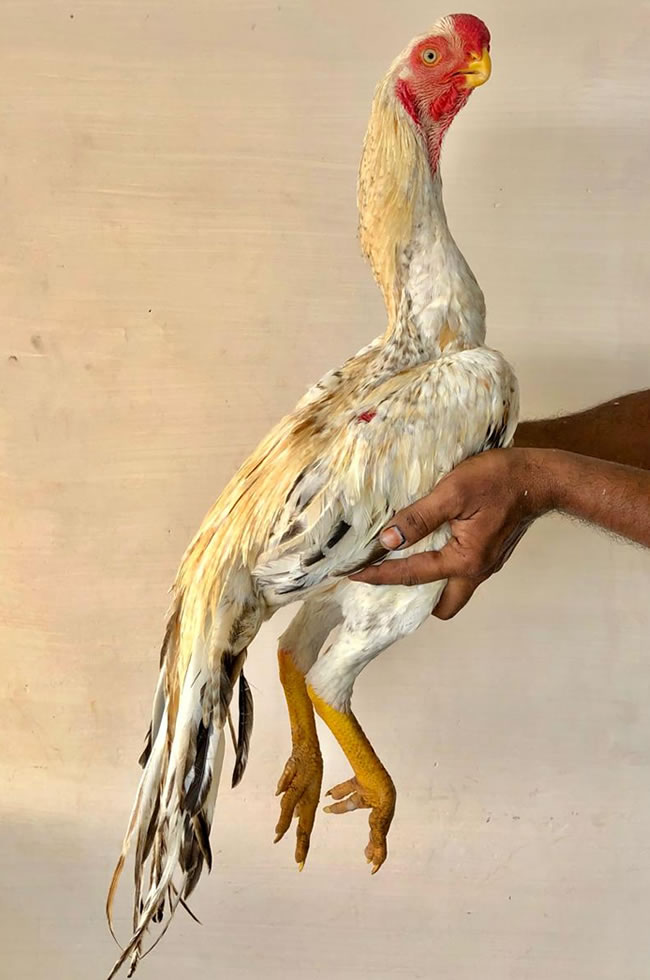
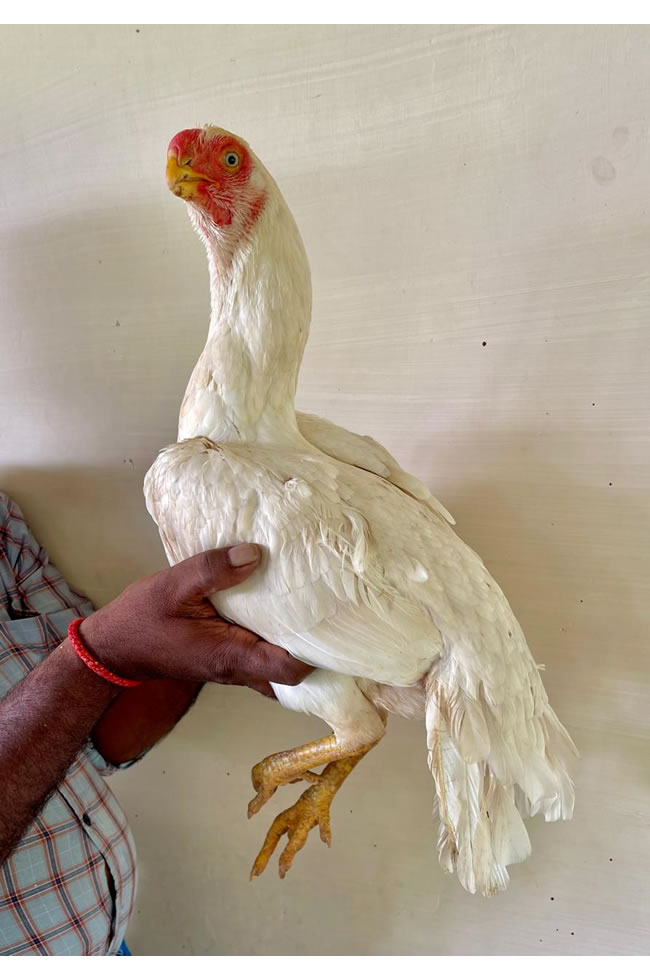
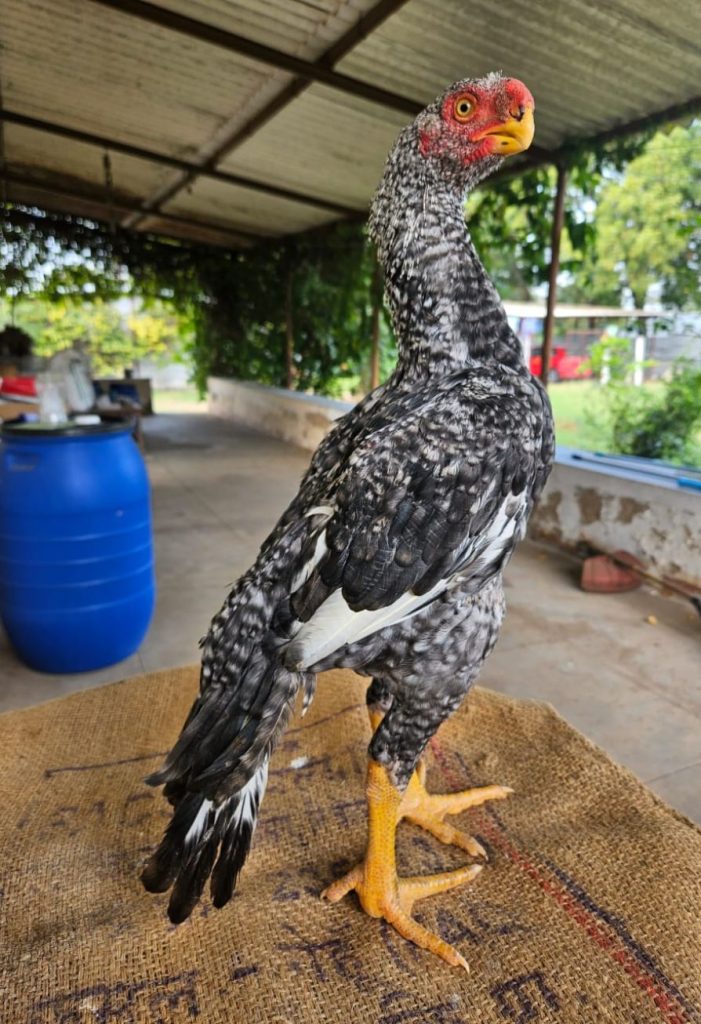
Beyond being an heirloom chicken breed, the Aseel chicken is a representation of resilience, tradition, and physical might. Among the many different regional varieties that are valued by poultry enthusiasts in India, the parrot beak variety of the Aseel chicken is of particular renown. Marked by its short, parrot-like curved beak and robust muscle mass and strong posture, this variety is rooted deep within the rural traditions of Tamil Nadu.
For poultry enthusiasts, breeders, or newcomers seeking to procure high-quality Aseel blood lines, sourcing the right place is key. Nestled amidst the agricultural region of Gobichettipalayam (Gobi), situated close to Erode, Nithys Aseel Farm has become an established source for pure blood line Aseel chickens, providing healthy birds, active Aseel chicks, and eggs for hatching throughout the country.
1. Understanding the Parrot Beak Aseel: Breed Characteristics
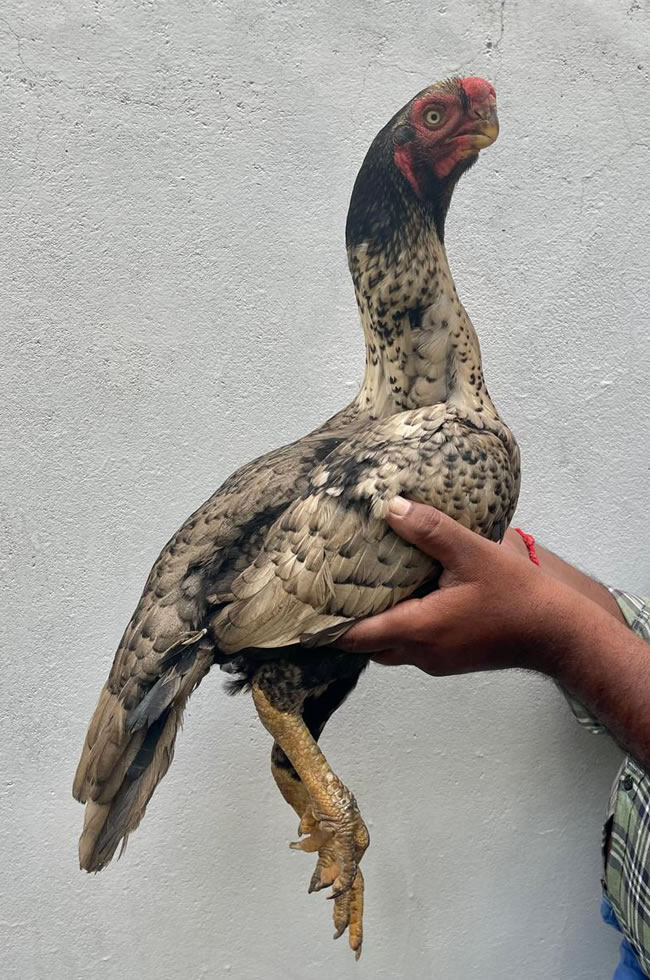
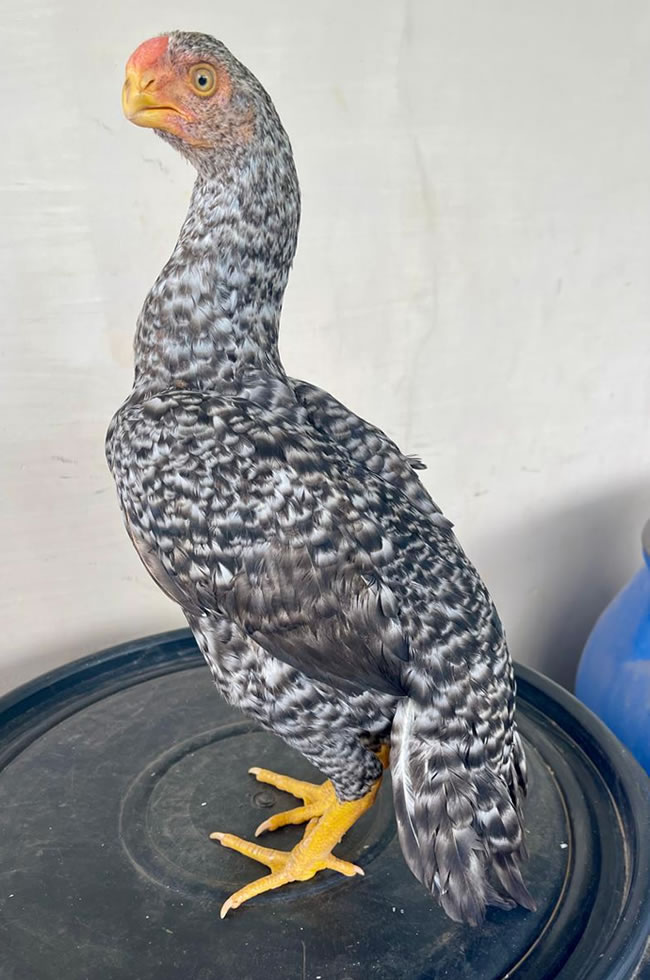
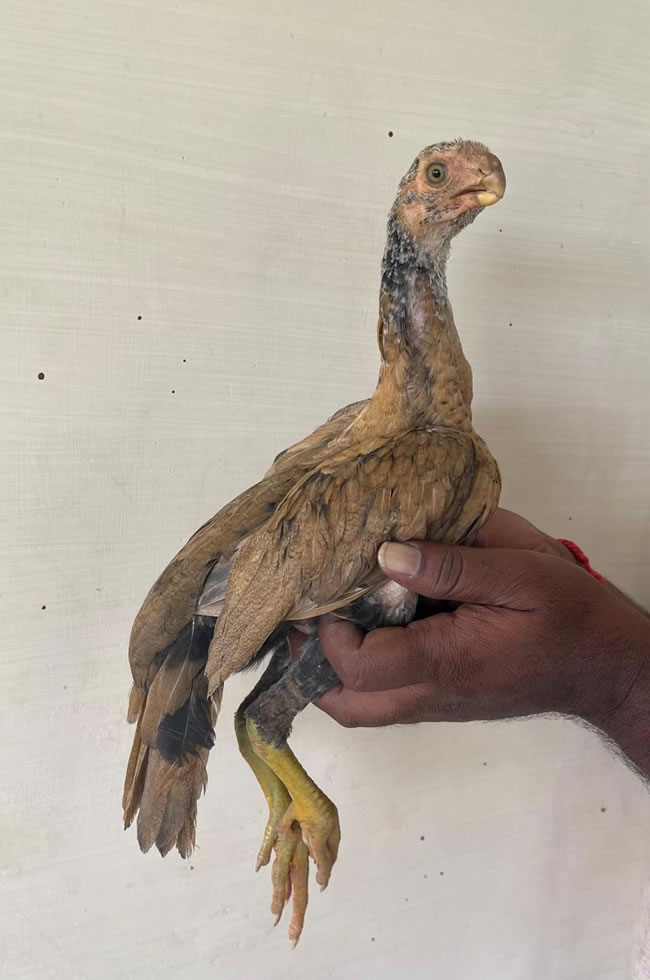
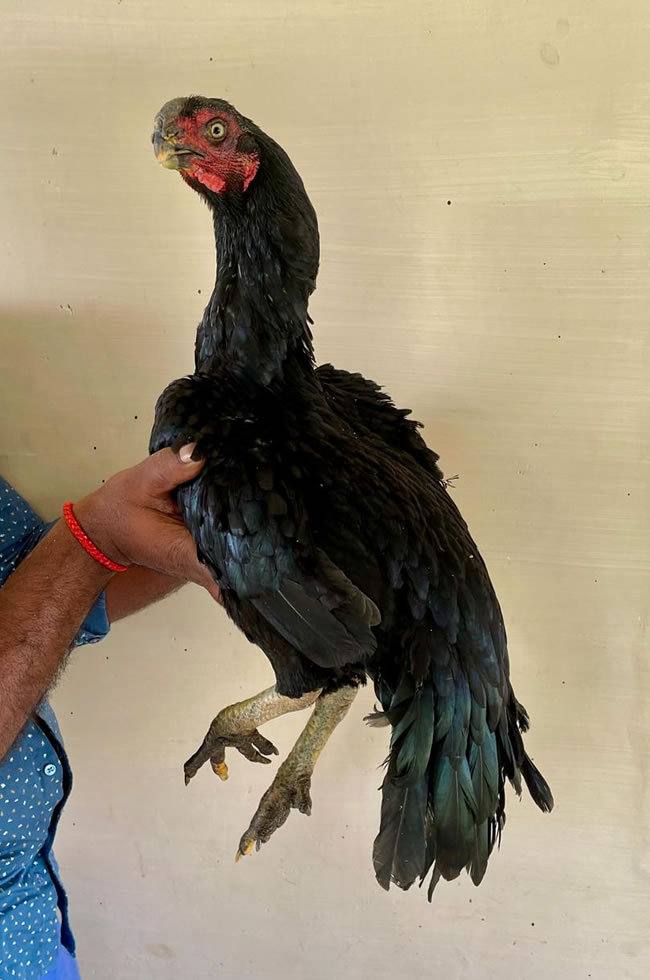
When assessing a breeding facility, it is good to know what makes up a genuine Parrot Beak Aseel. This particular breed is selectively raised with unique body characteristics, which make it different from other Aseel breeds such as the Reza and Sonatol.
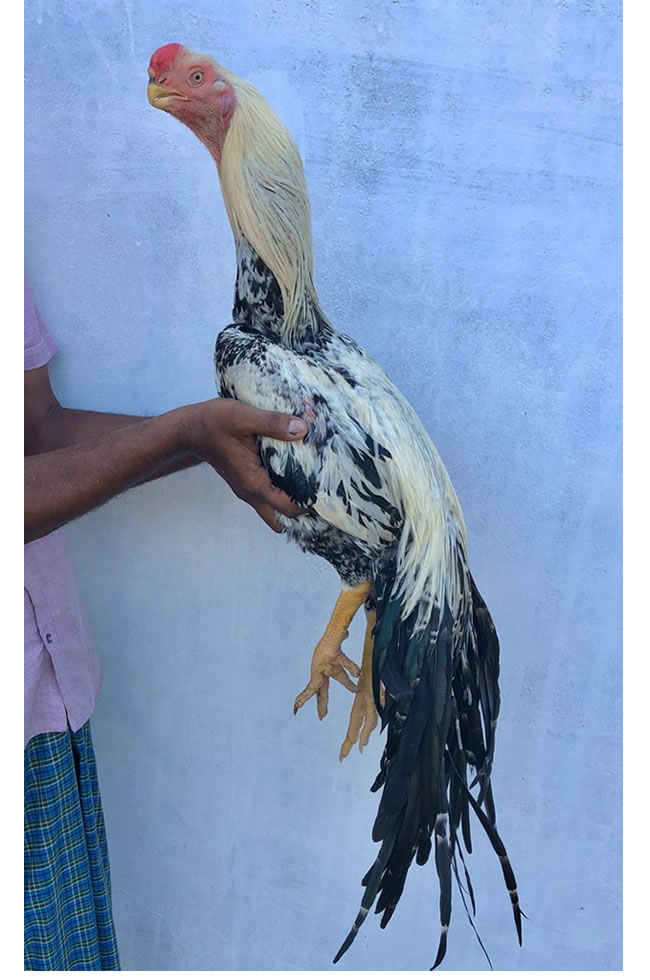
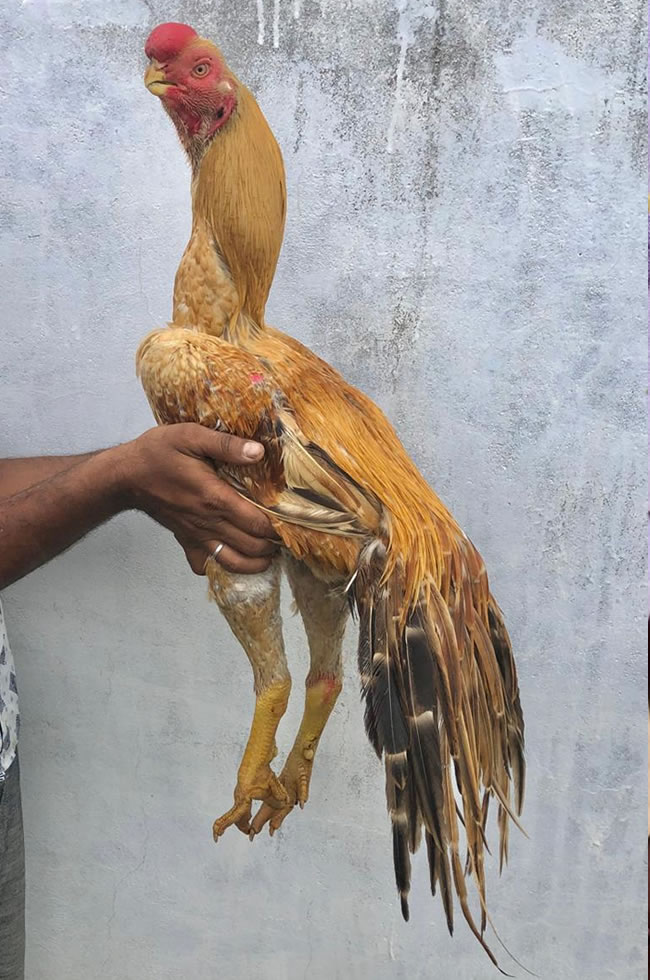
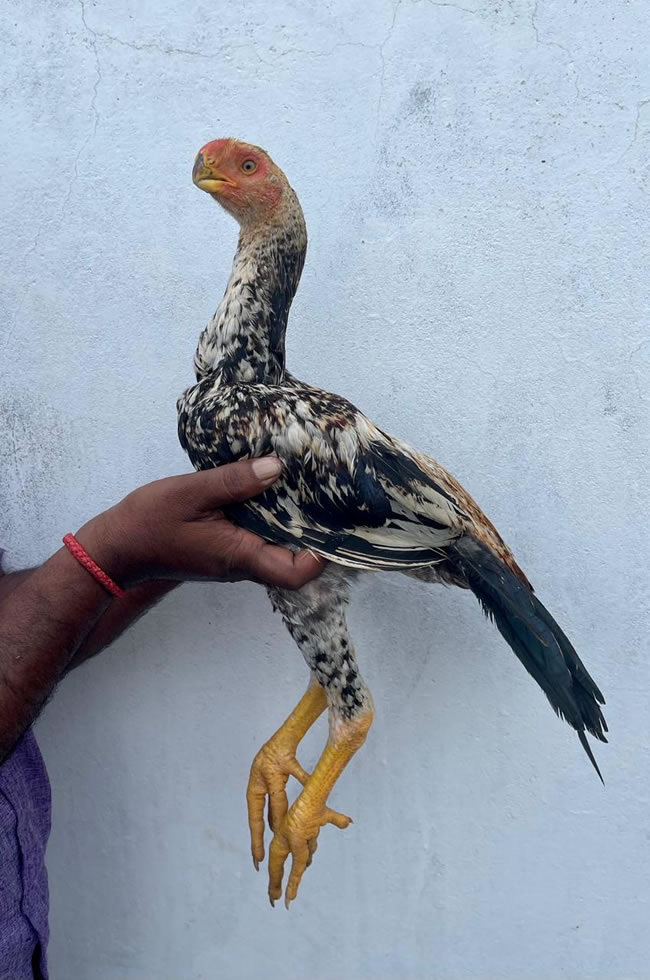
- The Beak: Short, thick, and sharply curved downward just like a parrot’s bill, providing a powerful grip and distinct facial expression.
- Physique: Broad skulls, prominent brow ridges (peacock eyes), and a compact, heavy-boned, muscular body.
- Stance and Carriage: Upright, confident, and warrior-like, reflecting immense natural stamina and alertness.
- Plumage: Tight, glossy feathers that lie close to the skin, reducing vulnerability during physical sparring and highlighting their athletic build.
2. What Makes a Good Aseel Breeding Farm?
With the increasing popularity of backyard chicken production and breeding for ornamental purposes, there are many commercial businesses. But locating a reputable and good breeding farm is based on some operational characteristics.
Ethical Breeding Practices vs. Mass Production
Genetic purity is the focus of any renowned farm rather than quantity. As inbreeding brings about deformations and reduces immunity, only pedigree breeding farms introduce unrelated champion genes to preserve vigor and standard traits.
Biosecurity and Disease Management
A well-managed farm practices proper biosecurity measures. There will be a noticeable presence of clean footbaths, quarantine areas for new or existing fowls, and clean brooders. Good fowls start with having a disease-free environment.
Transparency and Guidance
Not only will a reputable breeder sell you an animal, but he or she will act as your mentor too. If you are looking for quality breeding stock or even your first Aseel chickens, you can get good advice from Nithys Aseel Farm when it comes to vaccinations, feeding and behaviour.
3. Essential Care and Management for Aseel Flocks
Raising Aseel chickens successfully requires understanding their unique temperament and physical requirements. They are hardy birds, but optimal care unlocks their full potential.
Housing and Space Requirements
Aseels are active, alert, and territorial. Overcrowding leads to stress and aggression.
- Provide ample free-range space or well-fenced dry runs.
- Ensure coops are dry, well-ventilated, and protected from drafts and predators.
- Keep mature roosters separated to prevent territorial injuries.
Feeding and Nutrition
Due to their heavy bone density and dense muscle mass, Aseels demand a specialized, nutrient-dense diet.
- Chicks (0–8 weeks): High-protein starter crumbles (20-22% protein) to support rapid skeletal growth.
- Growers and Adults: Transition to a balanced mix of grains (maize, bajra, paddy), green forage, and high-protein supplements like earthworms or commercial finisher pellets.
- Hydration: Clean, cool, and fresh water must be accessible round-the-clock.
4. Common Mistakes to Avoid in Aseel Farming
Many beginners run into avoidable hurdles when starting their poultry journey. Keeping these pitfalls in mind will save time, effort, and livestock health:
- Neglecting Early Vaccination: Skipping standard vaccinations against Ranikhet (Newcastle disease) and Marek’s disease can devastate an entire batch of young chicks.
- Compromising on Bloodline Purity: Buying crossbred birds labeled as pure Parrot Beak Aseel leads to disappointment when offspring fail to display standard morphological traits.
- Poor Ventilation in Coops: Trapped ammonia from droppings causes severe respiratory infections. Prioritize cross-ventilation without exposing birds to chilly night drafts.
- Improper Socialization: Raising multiple adult roosters together without adequate roaming space inevitably triggers severe fights.


5. Frequently Asked Questions (FAQs)
1. Where is Nithys Aseel Farm located?
Nithys Aseel Farm is based in Gobichettipalayam (Gobi), near Erode, Tamil Nadu, and safely ships healthy birds, Aseel chicks, and hatching eggs to customers across India.
2. What are the key features of a Parrot Beak Aseel?
They feature a short, thick, downward-curved beak resembling a parrot, a broad skull, prominent brow ridges, tight plumage, and a heavy, muscular build.
3. Are Aseel chickens difficult to rise for beginners?
Aseels are naturally hardy and disease-resistant compared to commercial broiler strains, but they require robust fencing, individual attention for roosters, and high-protein nutrition.
4. Do you supply hatching eggs as well as live birds?
Yes, trusted breeders like Nithys Aseel Farm offer carefully packed, high-fertility hatching eggs alongside day-old Aseel chicks and mature breeding stock.
5. How do I prevent aggression among adult Aseel roosters?
Mature roosters should be housed individually in separate runs or spacious enclosures where they cannot continuously lock eyes or fight through wire mesh.
6. What is the ideal diet for growing Aseel chicks?
A high-protein starter feed (around 20% to 22% protein) combined with clean water and a calcium supplement is essential during their first two months.
7. Can Aseel chickens adapt to different climates across India?
Yes, Aseels possess remarkable climatic adaptability, thriving in the tropical heat of South India as well as adapting smoothly to cooler regions when provided with proper night-time shelter.
8. How can I verify the purity of an Aseel chick?
Look at key morphological markers such as the skull width, eye placement, shank colour, and the distinctive curve of the beak, while sourcing exclusively from reputed, transparent breeders.
Disclaimer: The information provided in this blog post is for general informational purposes only. While we strive to keep the content accurate and up to date, we do not guarantee its completeness, reliability, or accuracy. Any actions you take based on this information are strictly at your own risk. We are not responsible for any losses, damages, or inconveniences that may arise from the use of this blog. For professional advice, please consult a qualified expert.
