
The Aseel chicken has the unique status of being highly esteemed in India’s poultry industry. Out of all the breeds, the Parrot Beak Aseel is definitely a gem of a creation through selective breeding techniques. The Parrot Beak Aseel is valued for its unique face, its regal presence, and its courageous nature.
An understanding of the economics and pricing involved in Indian markets is essential while making a purchase. One can get healthy stock of these birds from a reliable source such as Nithys Aseel Farm situated at Gobichettipalayam (Gobi), near Erode, Tamil Nadu.
What is a Parrot Beak Aseel?
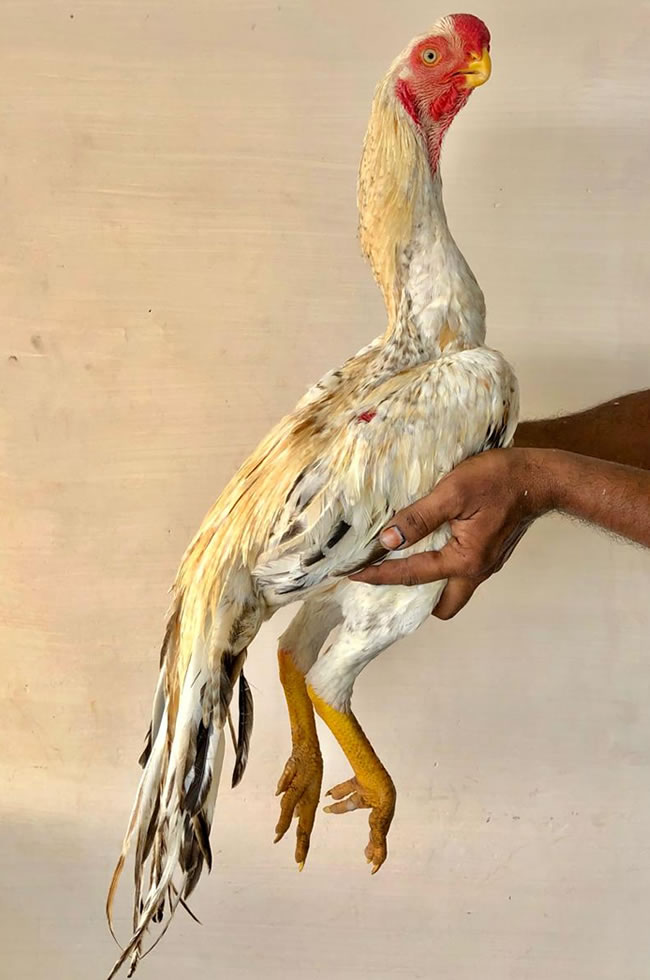
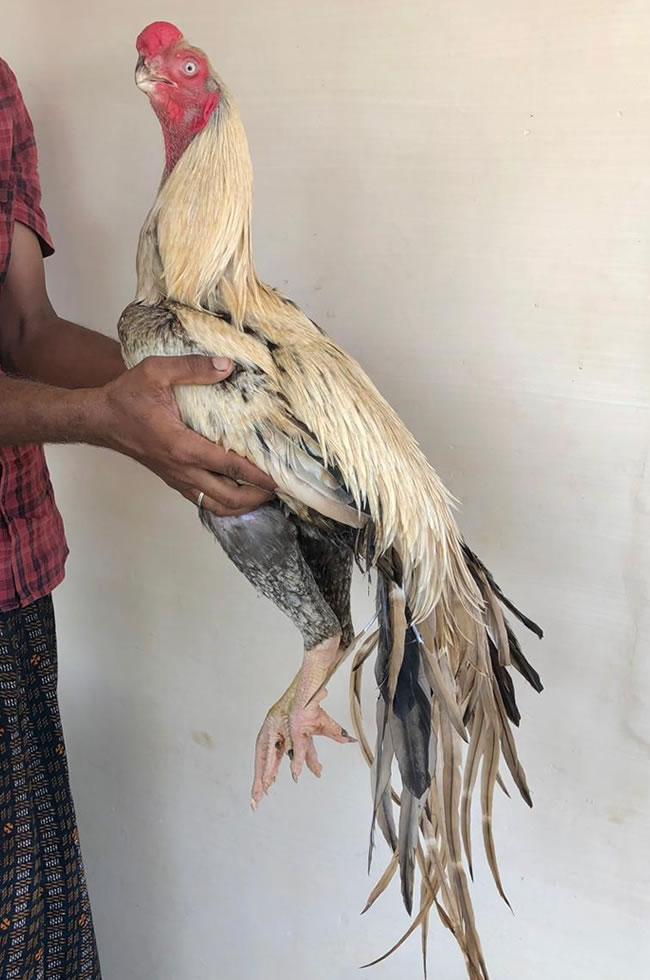
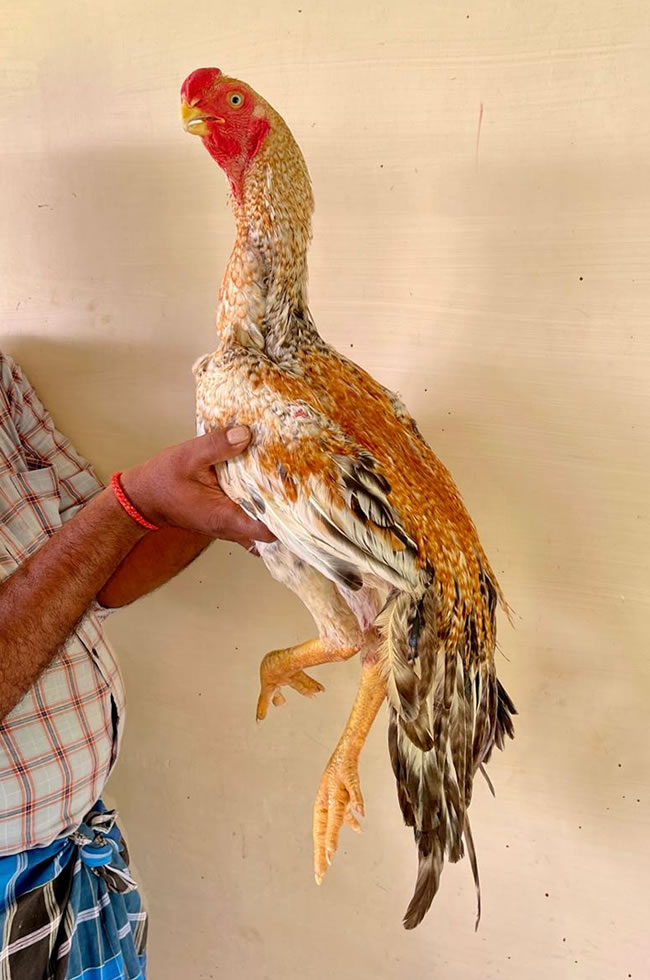
A distinguishing feature of the Parrot Beak Aseel is the parrot-like beak, which earned the bird its name because of its distinctive appearance and structure. This special feature is placed on an extensive, muscle-covered head and is accompanied by pearl eyes, a small pea comb, and strong shoulders.
Besides, the birds are known for having a proud stance, densely feathered body, and strong bones, which are either white or yellow in color. The bird was originally bred in South Asia for toughness and endurance, but today it is valued as ornamental and guard birds and breeder stock.
Parrot Beak Aseel Price Breakdown in India
The price of pure Aseel chickens differs greatly depending on their age, pedigree, body shape, and whether they have been vaccinated. This is due to the fact that ethical breeding takes time, effort, and special food and genes.
1. Hatching Eggs
- Price Range: ₹500 to ₹1,500 per egg (depending on the pedigree of the parent stock).
- Buyer Tip: Ensure eggs come from established pairing pens where roosters and hens display verified parrot-beak traits.
2. Aseel Chicks (1 Month to 3 Months)
- Price Range: ₹1,000 to ₹3,500 per chick.
- Buyer Tip: Young chicks require careful brooding. Trusted breeders provide primary vaccinations against Ranikhet and Marek’s disease before handing them over.
3. Growers (4 to 6 Months)
- Price Range: ₹4,000 to ₹10,000 per bird.
- Buyer Tip: At this stage, sexing is clear, and structural traits like beak curvature and bone density begin to manifest clearly.
4. Mature Breeding Stock (Pairs or Adults)
- Price Range: ₹12,000 to ₹35,000+ per pair. Exceptional champion-line roosters with rare traits can command even higher investments.
Key Breed Characteristics
Recognizing an authentic Parrot Beak Aseel requires a careful look at standard morphological markers:
- The Beak: Short, stout, strongly hooked downward, and interlocking tightly with the lower mandible.
- Head & Skull: Broad, snake-headed or blocky structure with prominent brow ridges giving a determined expression.
- Plumage: Tight, glossy feathers that handle tropical Indian climates well, available in traditional shades like Keeri (grey), Java, Black, and Red.
- Weight & Build: Roosters generally weigh between 3.5 kg to 4.5 kg, while hens range from 2.5 kg to 3.2 kg, featuring dense muscle mass over a compact frame.
Housing and Environmental Management
Provision of adequate housing is crucial for the health of the Parrot Beak Aseel bird. This is because it is an independent bird and has a particular personality:
- Space Requirements: Adult birds need ample free-range space or large, well-ventilated runs. Confining them too tightly leads to stress and feather pecking.
- Perches and Flooring: Use dry, sand- or straw-lined flooring. Keep perches low to the ground to protect their heavy breastbone and leg joints from injury during landing.
- Security: Aseels are prized assets; ensure enclosures are predator-proof against stray dogs, cats, and aerial predators.
Nutrition and Feeding Strategies
Growth, muscle development, and vibrant feather sheen depend entirely on a nutrient-dense diet.
- Protein Balance: Feed growing chicks a starter crumble containing 20% to 22% crude protein. Transition mature breeding stock to grower and layer formulations rich in calcium, amino acids, and grains.
- Natural Supplements: Incorporate green fodder, sprouted grains, calcium grit, and clean, cool water daily.
- The Breeder’s Edge: Clean water infrastructure prevents common waterborne parasites and gut infections common in humid weather.
Ethical Breeding Practices
The conservation of the genetic purity of the Parrot Beak Aseel requires time and stringent culling. Line breeding should not be done without introducing outcrosses since this may lead to loss of vitality and poor hatchability. Only strong and lively cocks should be mated with healthy hens.
Nithys Aseel Farm is located at Gobichettipalayam (Gobi), near Erode, Tamil Nadu. It emphasizes ethical breeding practices. This poultry farm caters to poultry lovers in India and keeps their facilities clean with natural surroundings. All Parrot Beak Aseel chickens for sale, hatching eggs, and chicks have clear health history records.
Common Mistakes to Avoid
- Purchasing Unverified Crossbreeds: Avoid buying cheap mix-breed chickens sold under the name of pure Aseel. Always inspect the parent stock or buy from a trusted source.
- Ignoring Biosecurity: Failing to quarantine newly introduced birds puts your entire flock at risk of respiratory and viral infections.
- Overcrowding: Crowded coops trigger aggressive behavioral outbursts among heritage game fowl.
- Neglecting Deworming: Routine deworming and parasite control are essential for maintaining peak physical condition and breeding performance.
Frequently Asked Questions
1. What is the average price of a Parrot Beak Aseel chick in India?
A healthy, vaccinated Parrot Beak Aseel chick typically ranges from ₹1,000 to ₹3,500, depending on the bloodline purity and age.
2. Why is the Parrot Beak Aseel more expensive than regular country chickens?
Their unique facial conformation, rarity, slow growth rate, and centuries-old heritage bloodlines make them specialty collector items rather than standard meat birds.
Aura Aseel Farms
3. Are Parrot Beak Aseel chickens good layers?
While not commercial egg layers, hens lay a moderate clutch of tinted-to-brown eggs and make exceptional, attentive broody mothers.
4. Can I get live birds shipped safely across India?
Yes, many specialized breeders and trusted farms like Nithys Aseel Farm coordinate safe transport options via trains or air cargo to major cities across India.
5. How can I identify a fake Parrot Beak Aseel?
Look out for weak, long, slender beaks, narrow skulls, weak legs, or lack of alertness. True specimens feature a distinct, heavy hook and a broad, powerful skull.
6. Do these birds handle the Indian climate well?
Yes, native Indian Aseel strains possess high heat tolerance and robust immune systems, provided they are sheltered from dampness and extreme drafts.
7. What should I feed my adult Aseel roosters for optimal muscle tone?
A balanced mix of whole grains (corn, bajra, and wheat), pulses, high-protein pellets, and fresh green leafy vegetables ensures optimal conditioning.
8. Where is Nithys Aseel Farm located?
Nithys Aseel Farm is based in Gobichettipalayam (Gobi), near Erode, Tamil Nadu, and caters to clients throughout India looking for authentic breeding pairs and hatching eggs.
9. At what age do Aseel roosters start crowing and showing dominant traits?
Young roosters typically begin practicing crowing around 4 to 5 months of age, alongside the development of distinct territorial behaviour.
10. Are hatching eggs a safe investment for beginners?
Hatching eggs are cost-effective, but beginners must have access to a reliable incubator or a proven broody hen to ensure successful hatching rates.
Disclaimer: The information provided in this blog post is for general informational purposes only. While we strive to keep the content accurate and up to date, we do not guarantee its completeness, reliability, or accuracy. Any actions you take based on this information are strictly at your own risk. We are not responsible for any losses, damages, or inconveniences that may arise from the use of this blog. For professional advice, please consult a qualified expert.
