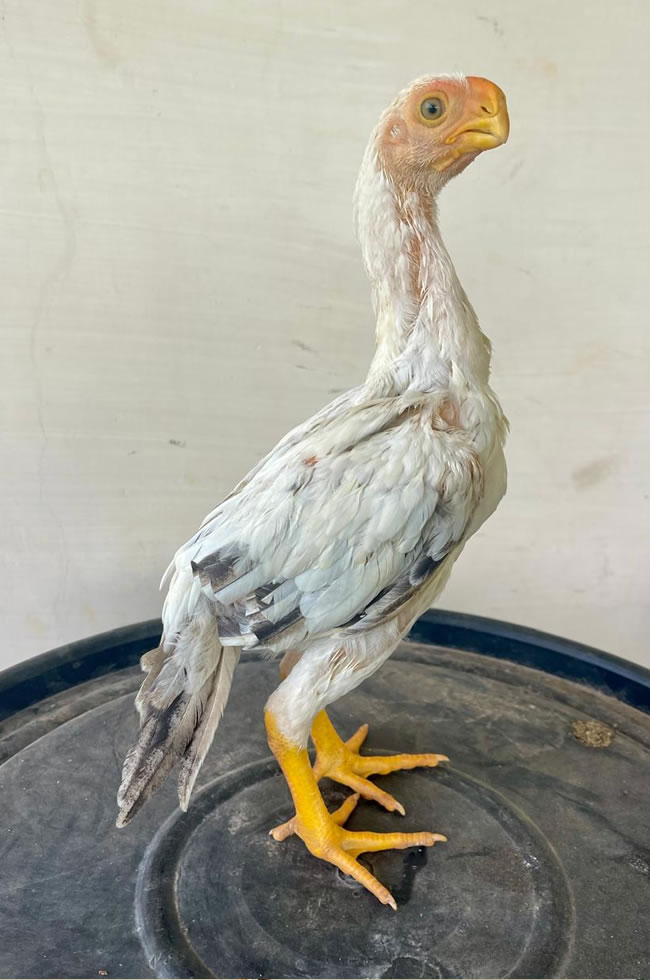
The Aseel breed has been commanding much respect through the ages on the Indian subcontinent because of its proud standing, strong endurance, muscle strength, and its proud ancestry. Raising pure breed Aseel chickens is not only an honor but also a fascinating task for all those who have poultry as a hobby or profession.
But for a number of enthusiasts in other areas of the country, getting the quality stock was always difficult. To solve the problem and fill the gap between geographically separated people, Nithys Aseel Farm is offering safe home delivery of Aseel chicks throughout India. The farm, located in Gobichettipalayam (Gobi), Erode district, Tamil Nadu, offers safe and secure home delivery of quality pure breed Aseel chickens.
Why Choose Nithys Aseel Farm for Your Poultry Journey?
Finding a trustworthy breeder is the single most important step in poultry farming. At Nithys Aseel Farm, quality, transparency, and animal welfare take centre stage. Situated in the fertile agricultural belt of Tamil Nadu, the farm maintains strict biosecurity protocols and optimal housing conditions that mimic natural environments.
- Pure Bloodline Genetics: Every bird is carefully selected to preserve the authentic traits, bone density, and vigor of traditional Aseel lines.
- Ethical Breeding Practices: Birds are raised with proper nutrition, ample space, and regular veterinary oversight, ensuring robust immune systems from day one.
- Pan-India Reach: Through streamlined packaging and trusted transport logistics, live chicks and hatching eggs reach destinations nationwide in healthy, active condition.
Understanding Aseel Breed Characteristics
Before investing in chicks or breeding stock, it is vital to understand what sets the Aseel apart from commercial broiler or layer breeds.
Physical Traits and Conformation
- Stature and Bone Structure: Aseels are heavy-boned, muscular birds with a commanding, upright posture. Their shoulders are broad, and their bodies are tightly feathered.
- Head and Beak: A hallmark of quality Aseel is the short, curved beak (especially prominent in the sought-after Parrot Beak Aseel variety) paired with alert, pearl or yellow eyes and a compact pea comb.
- Temperament: Known for high alertness, courage, and intelligence, Aseels require dedicated socialization. While roosters can be territorial, hens make fiercely protective mothers.

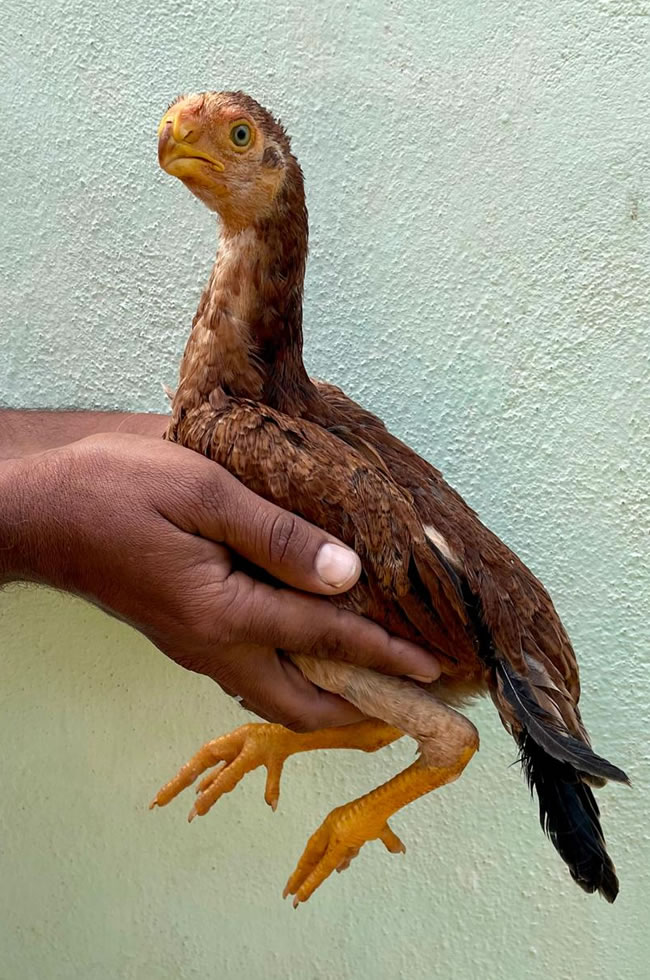
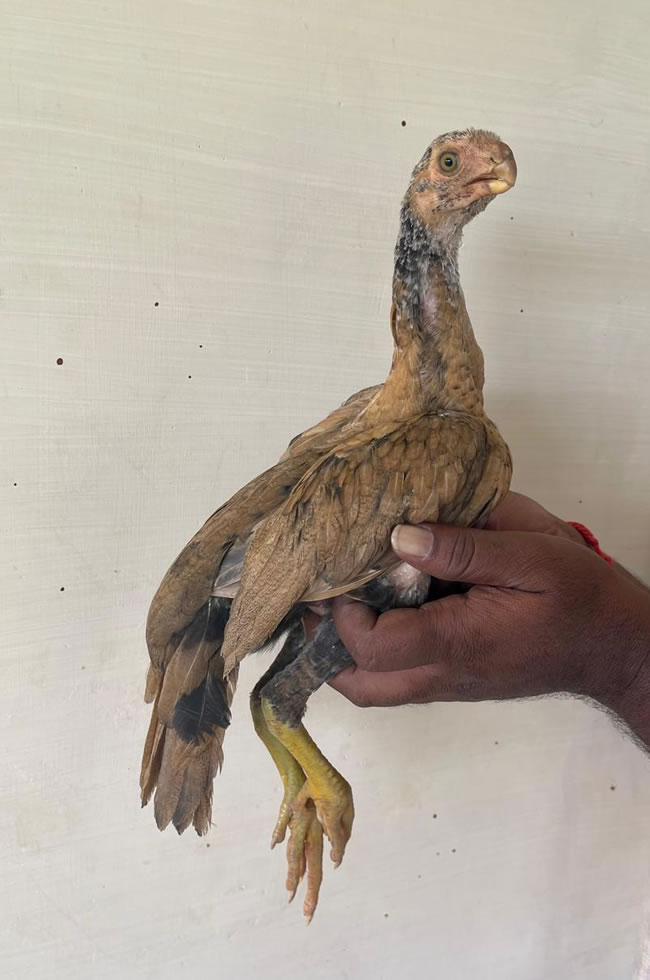
Varieties Available: From Parrot Beak Aseel to Standard Pure Bloodlines
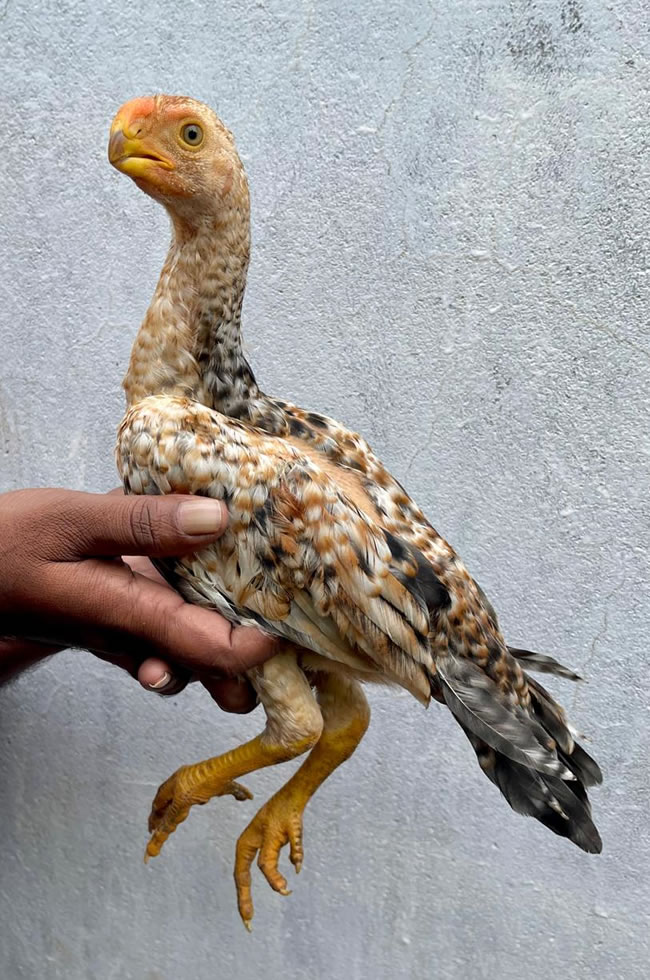
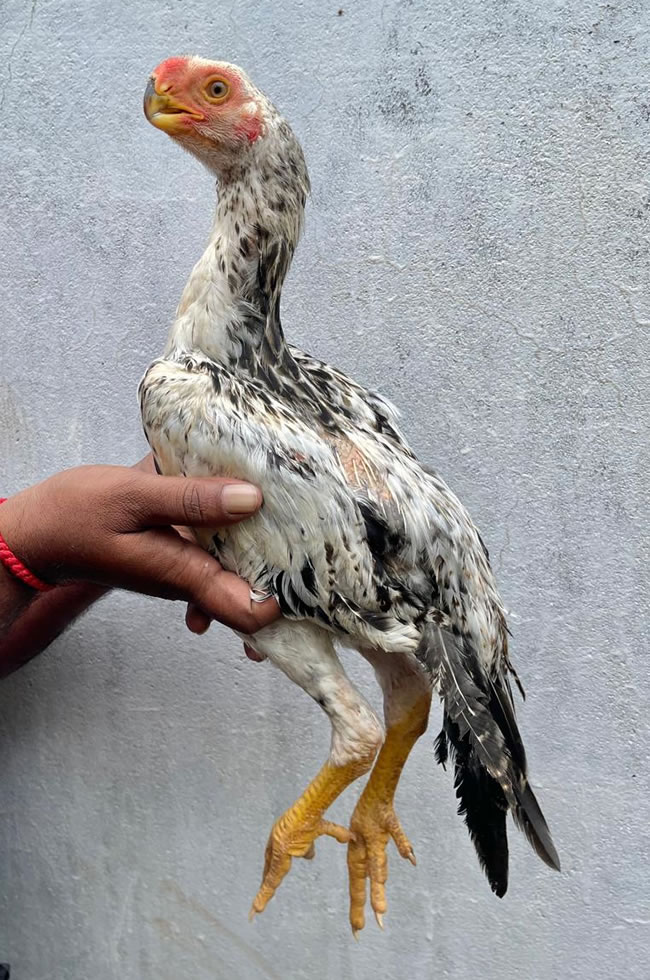
Aseel chickens come in several classic color patterns and physical variations, each prized by collectors and breeders alike:
- Parrot Beak Aseel: Characterized by an exceptionally curved upper beak resembling a parrot’s, this variant is highly coveted for its aesthetic appeal and traditional purity.
- Standard Kulhipur, Reza, and Nuristani Strains: Distinct regional and structural variations tailored for specific traits like size, feather pattern, and endurance.
- Black, Red (Peela), and White Variants: Classic color morphs that add vibrant diversity to any farmyard setup.
Setting Up for Success: Brooding and Care for Aseel Chicks
When your shipment from Nithys Aseel Farm arrives via safe home delivery, proper immediate care dictates their long-term health and growth.
1. The Brooder Setup
Prepare a draft-free, predator-proof brooder box lined with clean wood shavings or paddy husk. Maintain a temperature of 32°C to 35°C during the first week, gradually reducing it by 3°C each week until chick’s feather out completely.
2. Hydration and First Feed
Upon arrival, offer lukewarm water mixed with natural electrolytes or glucose to combat transit stress. Follow this with a high-protein starter feed (around 20% to 22% crude protein) formulated specifically for gamefowl or heritage chicks to support rapid bone and muscle development.
Feeding and Nutrition for Optimal Growth
Aseel chickens require a nutrient-dense diet to support their dense musculature and active metabolism.
- Starter Phase (0–8 Weeks): High-protein starter crumbles along with finely chopped greens for digestive health.
- Grower Phase (8–20 Weeks): Transition to grower feed supplemented with grains like cracked maize, bajra (pearl millet), and broken rice, alongside calcium sources.
- Layer/Breeder Phase: Adult breeding stock thrive on a balanced diet rich in calcium, phosphorus, and essential amino acids to ensure high fertility rates in hatching eggs and strong eggshells.
Breeding Practices and Maintaining Bloodline Purity
To achieve sustainable backyard breeding, knowledge of genetics is important. To avoid inbreeding, introduce fresh blood lines every other season. Keep proper records of the lineage, dates of hatching, and physical attributes of the chickens. For breeding purposes from the Nithys Aseel Farm chickens, look for liveliness, sharp vision, intact feathers, and well-aligned bone structure.
Common Mistakes to Avoid in Aseel Farming
- Overcrowding: Aseels are active, territorial birds. Insufficient space leads to stress, feather pecking, and stunted growth.
- Poor Ventilation: Dampness in coops breeds respiratory pathogens. Ensure high-level cross-ventilation without direct drafts.
- Neglecting Vaccination: Follow a strict vaccination schedule against common poultry diseases like Ranikhet (Newcastle disease) and Marek’s disease.
- Impatience with Growth: Aseels grow slower than commercial broilers because their energy goes into building dense muscle and bone. Do not rush their growth with artificial growth promoters.
Frequently Asked Questions (FAQs)
1. How does Aseel chicks home delivery work across India?
Live chicks are packed in specially ventilated, temperature-regulated transport boxes with moisture-rich hydration sources. They are dispatched via reliable express courier or train cargo networks to ensure prompt and safe arrival at your nearest major hub or doorstep.
2. Where is Nithys Aseel Farm located?
The farm is situated in Gobichettipalayam (Gobi), near Erode, in the state of Tamil Nadu, serving poultry enthusiasts nationwide.
3. Are the chicks vaccinated before dispatch?
Yes, chicks from Nithys Aseel Farm undergo standard early-age vaccinations and health screenings prior to travel to ensure they arrive resilient and vigorous.
4. What is the minimum order quantity for home delivery?
Minimum order quantities vary depending on seasonal availability and shipping logistics, usually starting at manageable batch sizes suitable for hobbyists and small-scale farmers. Contact the farm directly to confirm current batch quotas.
5. Can I purchase hatching eggs instead of live chicks?
Yes, high-fertility hatching eggs from pure bloodline stock are available for buyers who prefer using their own incubators or broody hens.
6. What makes the Parrot Beak Aseel so popular?
The Parrot Beak Aseel is celebrated for its distinctive short, curved beak structure and classic aesthetic, making it a prized centerpiece for heritage poultry collections.
7. How do I transition newly arrived chicks to my farm’s feed?
Keep them on the recommended starter feed for the first few days. If you wish to switch brands, mix the new feed gradually with the old feed over a 5-to-7-day period to prevent digestive upsets.
8. What precautions should I take during extreme weather transport?
Nithys Aseel Farm monitors weather forecasts across transit routes and utilizes specialized seasonal packaging to insulate chicks against extreme heat or cold during transit.
9. Are Aseel chickens suitable for free-range systems?
Absolutely. Aseels excel in free-range or semi-intensive setups where they can forage for insects, grass, and seeds, which significantly enhance their muscle tone and overall vitality.
10. How can I place an order with Nithys Aseel Farm?
You can reach out directly via phone, WhatsApp, or their official communication channels to check current stock availability for Aseel chicks, breeding pairs, or hatching eggs, and schedule your pan-India delivery.
Disclaimer: The information provided in this blog post is for general informational purposes only. While we strive to keep the content accurate and up to date, we do not guarantee its completeness, reliability, or accuracy. Any actions you take based on this information are strictly at your own risk. We are not responsible for any losses, damages, or inconveniences that may arise from the use of this blog. For professional advice, please consult a qualified expert
