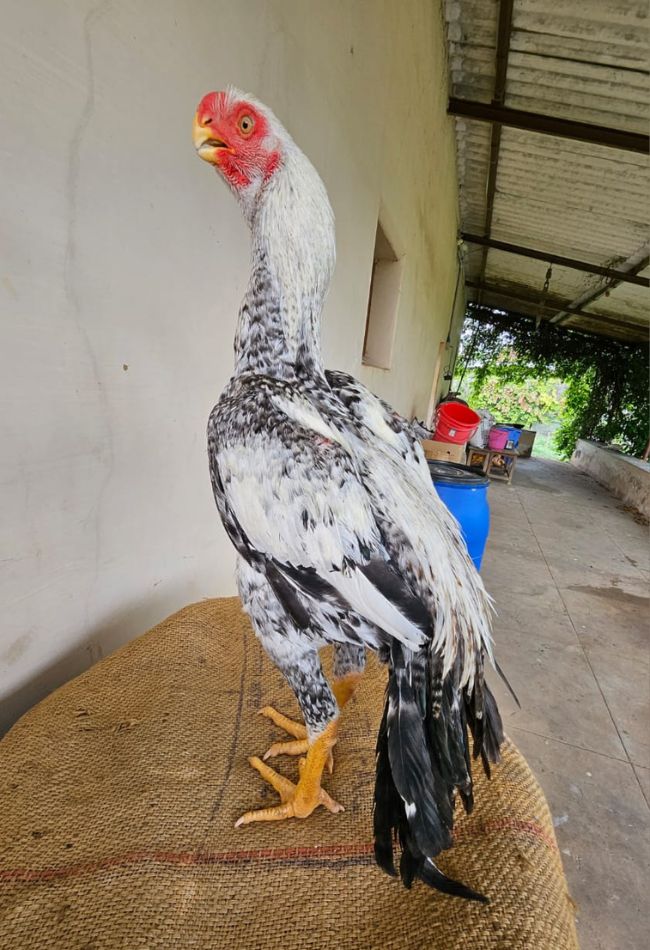
Since time immemorial, the Aseel fowl has enjoyed a lot of respect throughout the subcontinent of India. The Aseel fowl can be identified with its royal bearing, sheer tenacity, and majestic gait. Indeed, the meaning of the term “Aseel,” which means “pure” or “thoroughbred,” is apt in the case of Aseel. Whatever may be your level of experience with poultry farming, a pure-blooded Aseel stock is what you need.
Nithys Aseel Farm is located in Gobichettipalayam (Gobi), in the Tamil Nadu state of India. This farm has become a reliable source of pure-blooded Aseel stock for poultry farmers all over India.
Understanding the True Aseel Breed Characteristics
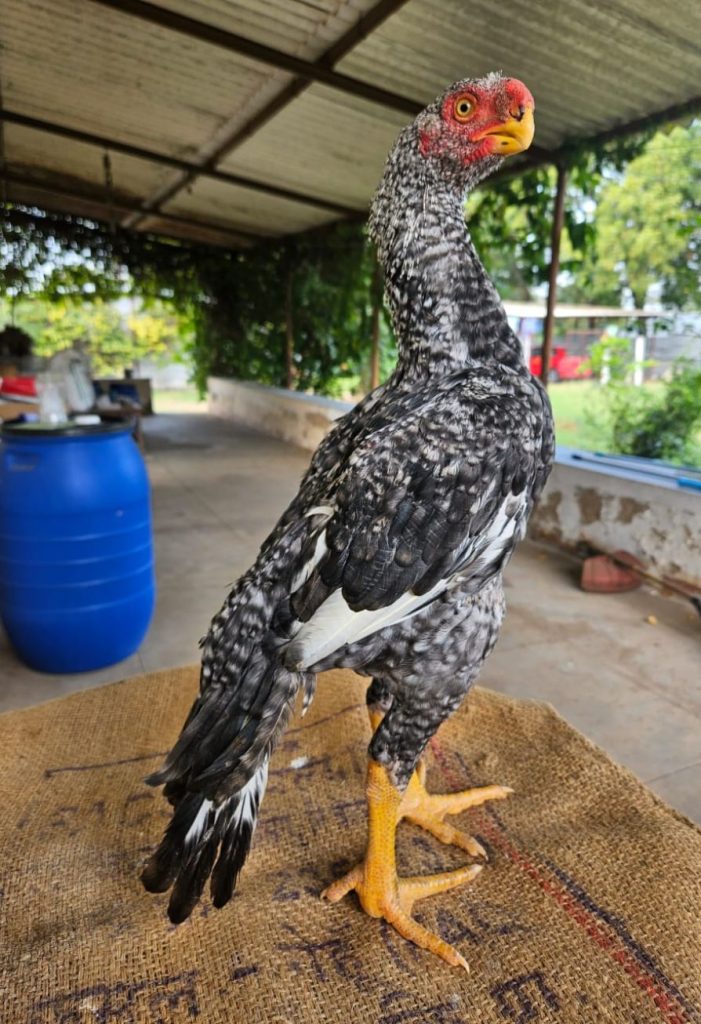
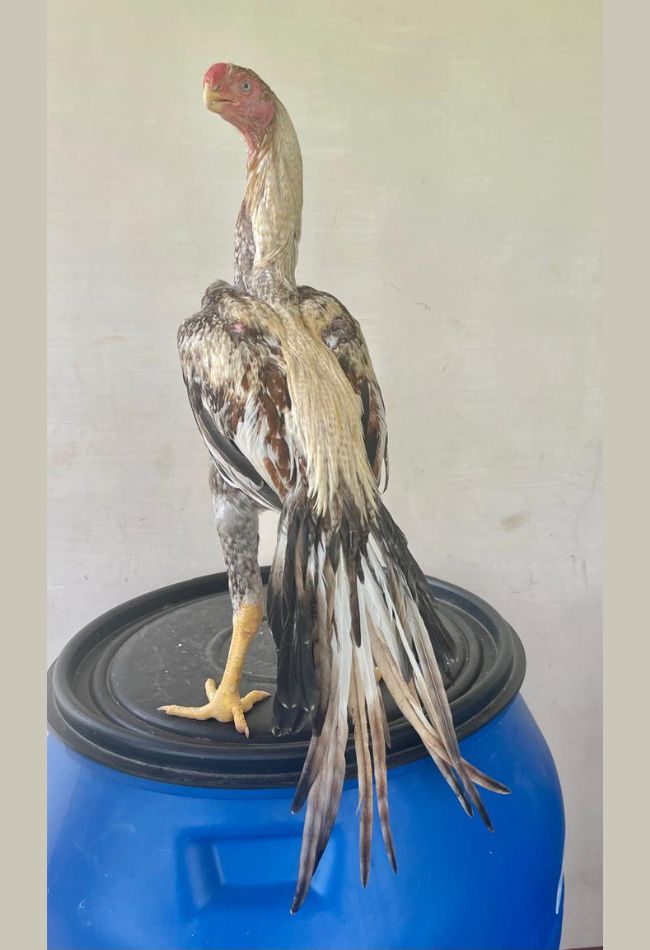
Before investing in poultry, recognizing the authentic physical and behavioral traits of standard Aseel birds is essential. True bloodline specimens are heavily muscled, solid, and compact.
- Head and Beak: Aseels feature a broad skull with a short, curved beak. For enthusiasts seeking specialized aesthetics, the prized Parrot Beak Aseel exhibits a distinct downward curve closely resembling a parrot’s beak.
- Combs and Wattles: They typically feature a small pea comb or triple-shaped comb that sits tightly against the skull, minimizing frostbite or injury risks. Ear lobes and wattles are small and bright red.
- Plumage and Stance: Feathers are hard, tight, and sparse on the breast area, revealing tough, reddish skin underneath. Their upright, warrior-like posture reflects incredible core strength and balance.

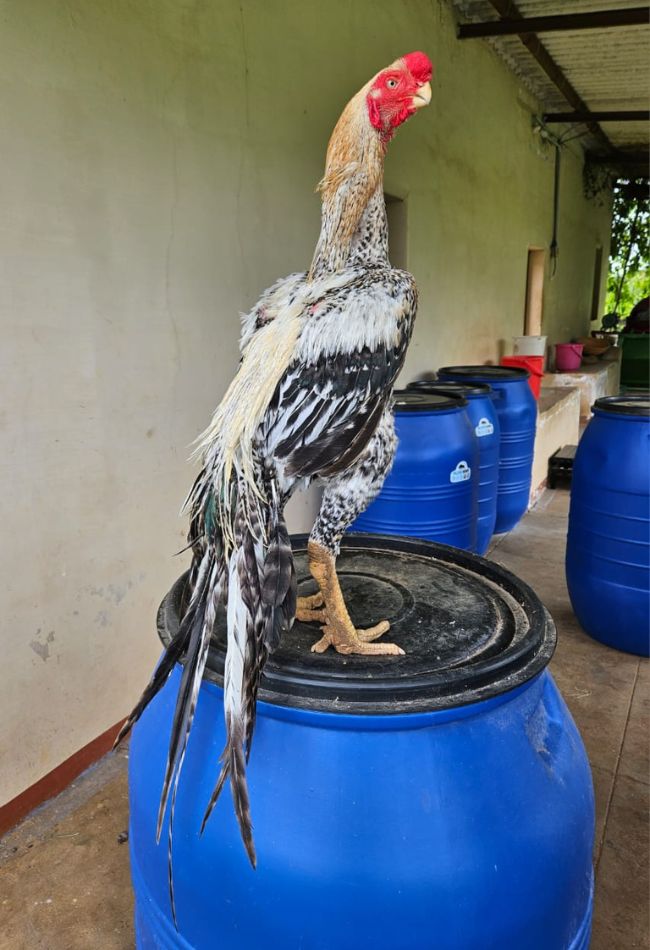
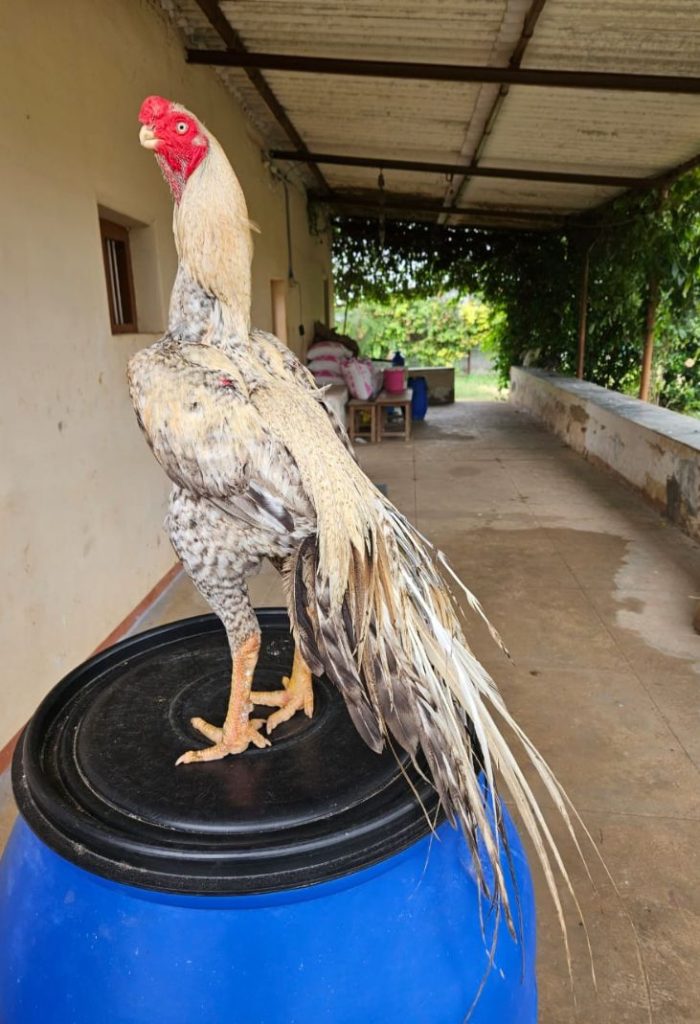
Dedicated Offerings at Nithys Aseel Farm
The maintenance of pure breeds demands careful culling and pen rotation. Nithys Aseel Farm has an exhaustive range of heritage poultry available for purchase by various clients:
1. Aseel Chicks
Starting your flock with young stock allows you to bond with the birds and monitor their growth closely. Available in various age groups, these chicks are raised on biosecure grounds with early vaccinations to ensure high survivability rates.
2. Parrot Beak Aseel
Characterized by their unique facial profile and aggressive structural appeal, parrot beak lines are heavily sought after by hobbyists. Nithys Aseel Farm maintains dedicated breeding pens to preserve this distinct beak mutation without compromising structural vigor.
3. Breeding Stock and Pairs
For established breeders wanting to upgrade their bloodlines, mature stags and hens with broad shoulders, heavy bone density, and standard weight specifications are available.
4. Hatching Eggs
For backyard hatchers utilizing incubators or broody hens, carefully collected, fertile hatching eggs from top-tier multi-colored, black, and red-brown strains are shipped securely across India.
Essential Care and Housing Guidelines for Aseel Chickens
Aseels are hardy birds, but their active temperaments demand thoughtful management strategies.
Housing and Space Requirements
Aseels are notoriously territorial and possess strong independent streaks. Keeping mature roosters together in confined spaces leads to severe turf battles. Ensure ample free-range space or individual partitioned runs. Coops must be well-ventilated, dry, and secure against nocturnal predators.
Free-Range Access
While they adapt well to intensive or semi-intensive systems, Aseels thrive when given room to forage. Their muscular thighs and strong legs allow them to cover significant ground, scratching for insects and greens that naturally boost their immunity.
Feeding and Nutritional Management
Proper nutrition dictates bone density, feather sheen, and overall stamina. Relying entirely on kitchen scraps is insufficient for growing high-performance heritage birds.
- Starter Phase (0 to 8 weeks): Provide a high-protein starter crumb (20% to 22% protein) to support rapid skeletal development and feathering.
- Grower Phase: Transition gradually to balanced grower pellets combined with cracked grains like broken rice, maize, and pearl millet (ragi).
- Minerals and Clean Water: Continuous access to cool, clean water is non-negotiable. Supplement diets with crushed oyster shells or calcium sources to support bone strength and eggshell quality.
Ethical Breeding Practices at Nithys Aseel Farm
Ethical breeding is the core pillar of Nithys Aseel Farm. Rather than mass-producing low-quality crossbreeds, the farm prioritizes genetic purity, structural soundness, and natural vigor.
- No Inbreeding Depression: Careful pedigree tracking prevents the expression of recessive genetic flaws.
- Health Screening: Regular deworming schedules and stringent vaccination protocols protect the flock against common poultry ailments like Newcastle disease and Marek’s disease.
- Transparent Guidance: First-time buyers receive honest, practical advice on feeding, brooding temperatures, and quarantine procedures before introducing new birds to existing flocks.
Common Mistakes to Avoid When Raising Aseel Birds
- Overcrowding: Housing too many birds in tight quarters triggers constant stress and aggressive pecking orders.
- Improper Diet Balance: Feeding excessive carbohydrates without adequate protein results in weak bone structures and poor muscle mass.
- Skipping Quarantine: Always isolate newly purchased birds for at least 14 days before integrating them with your main flock.
- Neglecting Parasite Control: Routine checks for mites, lice, and internal worms are vital for maintaining bird vitality.
Frequently Asked Questions (FAQs)
1. Where is Nithys Aseel Farm located?
Nithys Aseel Farm is based in Gobichettipalayam (Gobi), near Erode, Tamil Nadu, serving poultry enthusiasts and farmers across India.
2. Do you ship Aseel birds and chicks safely across India?
Yes, safe and secure transit options are arranged for shipping chicks, breeding stock, and hatching eggs to major cities and rural areas across India, subject to viable transport routes.
3. What makes the Parrot Beak Aseel unique?
The Parrot Beak Aseel features a distinctly curved upper beak resembling a parrot’s bill, combined with a compact skull, a broad chest, and a fierce look, making it a favorite among collectors.
4. Are Aseel chickens difficult to raise for beginners?
Aseels are naturally hardy and disease-resistant, making them resilient. However, their independent and dominant temperament means owners must understand proper spacing and handling techniques.
5. What is the typical egg production of Aseel hens?
Aseels are primarily maintained for meat quality and ornamental value rather than commercial egg production. Hens lay a moderate number of brown-shelled eggs per clutch and possess exceptional mothering instincts.
6. How do I prevent fighting among my Aseel roosters?
Mature Aseel stags and roosters are highly territorial. They should be housed in separate individual pens or given vast free-range areas with visual barriers to prevent direct confrontation.
7. What vaccinations are administered to chicks from Nithys Aseel Farm?
Chicks follow standard regional vaccination schedules against common viral threats like Ranikhet (Newcastle) disease and Marek’s disease to ensure optimal early-stage immunity.
8. Can I buy fertile hatching eggs instead of live birds?
Yes, Nithys Aseel Farm provides high-fertility hatching eggs packaged securely for hobbyists who prefer using their own incubators or broody country hens.
9. What is the best feed for growing Aseel stags?
A high-protein diet consisting of commercial starter/grower feed supplemented with whole grains, green fodder, and calcium yields the best muscle and bone development.
10. How can I place an order with Nithys Aseel Farm?
You can reach out directly via phone or WhatsApp to discuss current stock availability, pricing for specific age groups, and delivery logistics tailored to your location.
Disclaimer: The information provided in this blog post is for general informational purposes only. While we strive to keep the content accurate and up to date, we do not guarantee its completeness, reliability, or accuracy. Any actions you take based on this information are strictly at your own risk. We are not responsible for any losses, damages, or inconveniences that may arise from the use of this blog. For professional advice, please consult a qualified expert.
