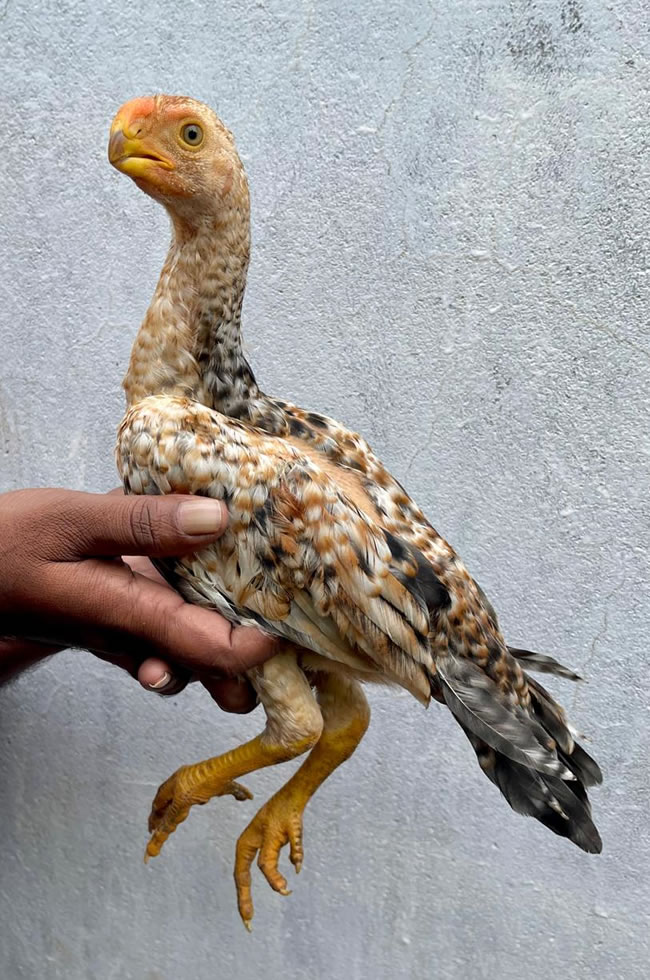
The poultry industry in India has come a long way from simply being about rearing and selling chickens for eggs and meat. Today, the hobbyist, the fancier, and even the game fowl enthusiast have started looking at the traditional breeds of poultry with renewed interest. The noble Aseel chicken is, without a doubt, the true king of Indian poultry industry. Renowned for its unique stamina, proud bearing, fighter mentality, and elegant looks, the Aseel chicken makes for a valuable asset for any poultry keeper.
For anyone thinking of setting up a backyard flock of Aseel chickens or upgrading his existing stock with some quality birds, it may not be an easy task to source them. For those interested in buying pure bred Aseel chicks online in India, there is one thing that needs to be done above everything else. Based in the fertile grounds of Tamil Nadu agriculture, the Nithys Aseel Farm in Gobichettipalayam (Gobi), near Erode, is a well-known name when it comes to pure bred Aseel chickens.

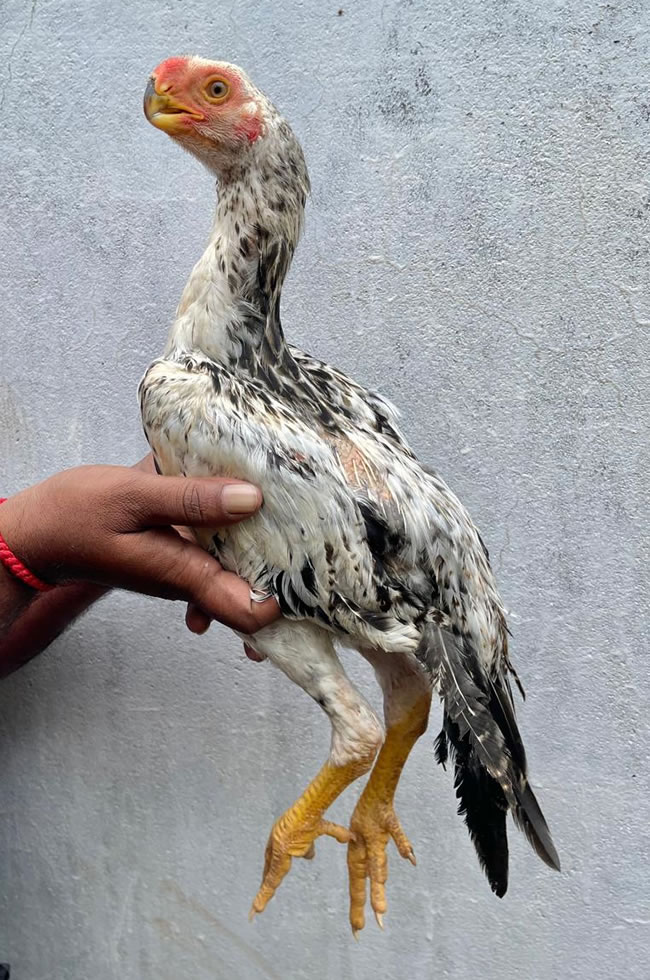
Understanding the Legend: What Makes Aseel Chickens Special?
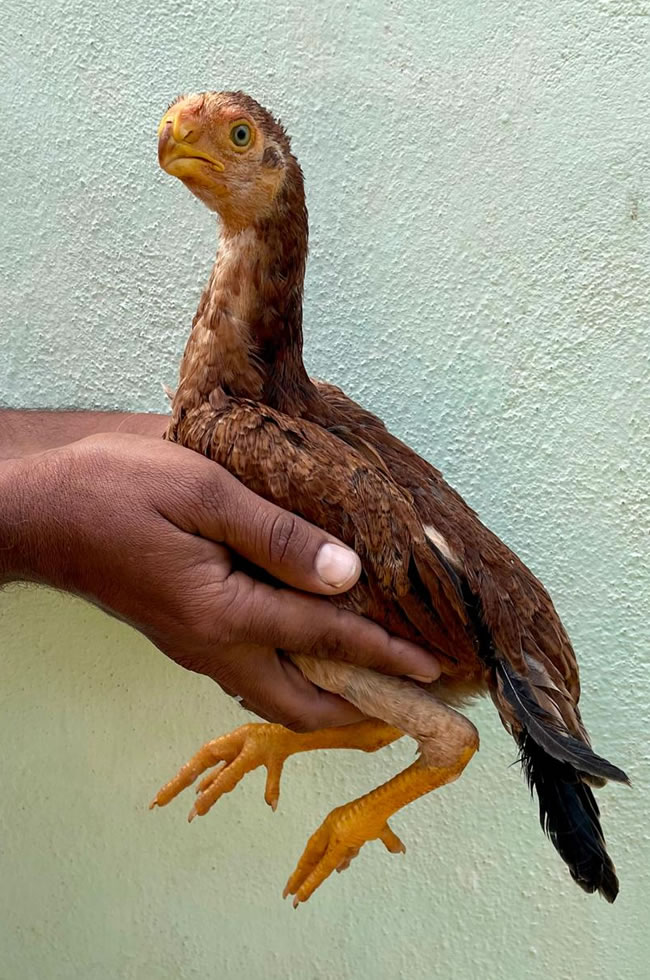
Dating back centuries in India, the Aseel (also spelled Asil) chicken is characterized by their fierce, loyal, and elegant qualities. The term “Aseel” means “real” or “pure,” as these chickens are very tough and have pure genetic makeup. Unlike other broiler and layer breeds raised to develop rapidly or lay eggs quickly in artificial conditions, the Aseel chicken is sturdy and independent.
They have tough bones, strong muscles, proud posture, and sharp eyesight. The immunity of these chickens against common chicken diseases makes them highly adaptive to India’s varied climate.
Key Characteristics of Pure Aseel Breeds
Before you invest in your first batch of birds, it helps to understand what distinguishes a purebred Aseel from crossbred alternatives. Authentic bloodlines display several distinct physical and behavioral traits:
- Stature and Posture: Pure Aseels feature a commanding, upright posture with broad shoulders and a well-muscled chest. Their weight is well-balanced, giving them a heavy, solid feel when handled.
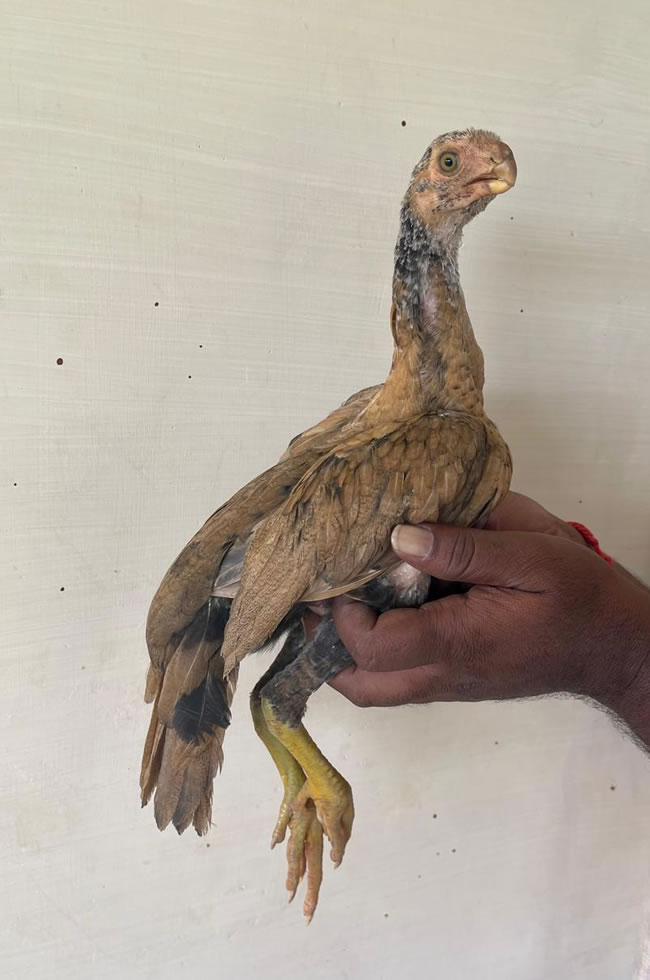
- Head and Beak: A classic trait is the broad, hawk-like skull with pearl-white or bright yellow eyes that project intelligence and fearlessness. Specific regional or genetic strains, such as the sought-after Parrot Beak Aseel, feature a curved, shortened upper beak that mirrors a parrot’s profile.
- Comb and Wattles: Most true Aseels possess a small, tightly packed pea comb and minimal wattles, which reduces their susceptibility to injuries and frostbite or heat stress.
- Voice: Roosters have a deep, resonant, and distinctive crow that echoes authority.
- Temperament: Aseels are remarkably intelligent, highly alert, and territorial. While roosters can be aggressive toward other males, hens are fiercely protective mothers.
Popular Aseel Varieties Available in India
The Aseel family comprises several regional strains, each prized for unique coloration and structural traits. When you explore options to buy pure Aseel chicks online in India, you will often encounter varieties such as the following:
- Reza Aseel: Medium-sized birds known for their incredible agility, speed, and active foraging behavior.
- Kilawra Aseel: Recognized by their striking black and white speckled plumage, often referred to as cuckoo patterning.
- Java Aseel: Typically larger, heavier-framed birds with deep red or black plumage and substantial bone structure.
- Peela Aseel: Celebrated for their golden-yellow or wheat-colored feathers, highly favored for their classic aesthetic appeal.
- The Parrot Beak Variant: Highly coveted by collectors for its unique facial structure, requiring careful breeding management to preserve.
Why Buy Pure Aseel Chicks Online? The Advantages of Sourcing From Gobi, Tamil Nadu
In the past, the acquisition of good-quality Aseel chickens required travel for great distances to local shandies or even backyards without any credentials. Thankfully, there are now reliable breeders who have overcome the distance problem. There are a number of advantages you enjoy by sourcing your chickens from a reputable farm such as Nithys Aseel Farm.
1. Authenticity of Bloodline
Buying online from a specialized farm ensures that your chicks come from documented, pure-strain parents rather than diluted crosses. Preserving genetic purity guarantees that your mature birds will exhibit the true physical characteristics and resilience of the breed.
2. Early Health and Vaccination Management
The first few weeks of a chick’s life are critical. Reputable farms ensure that young chicks receive proper brooding warmth, nutritional starter feed, and vital vaccinations against prevalent viral threats like Marek’s disease and Ranikhet.
3. Safe, Stress-Free Transport Across India
Logistics networks have improved significantly. Trusted breeders utilize secure, breathable, and temperature-optimized packaging to transport Aseel chicks and hatching eggs safely to customers across various Indian states, minimizing travel stress.
Essential Care Guide for Aseel Chicks
Raising Aseel chicks requires patience, dedication, and attention to detail. Because these birds are active and high-spirited, their management needs differ slightly from commercial layer chicks.
Brooding Setup (Weeks 1 to 4)
- Temperature: Keep new-born chicks in a secure brooder box maintained at 32°C to 35°C during their first week, gradually reducing the temperature by 3°C each week until ambient room temperature is reached.
- Bedding: Use clean, dry wood shavings or paddy husk. Avoid smooth surfaces, which can cause leg slipping and joint deformities (splay leg).
- Space: Provide at least half a square foot of floor space per chick initially, expanding it as they grow to prevent overcrowding and feather-pecking.
Nutritional Requirements for Optimal Growth
Aseels are muscular athletes of the avian world; their feed must reflect their developmental needs.
- Starter feed (0–8 weeks): Feed a high-protein (20% to 22%) commercial chick starter crumble to support rapid bone and muscle development.
- Grower Feed (8–20 Weeks): Transition to a grower ration with 16% to 18% protein, supplementing with fresh greens, chopped moringa leaves, and clean, cool water at all times.
- Minerals and Calcium: Ensure access to crushed oyster shells or grit once they reach maturity, especially for laying hens, to support eggshell strength.
Housing and Free-Range Management
Aseels thrive best when they have room to stretch their wings. While they can adapt to intensive backyard enclosures, providing a secure, semi-intensive free-range setup brings out their natural vitality.
- Coop Design: Construct a well-ventilated, predator-proof shelter with raised flooring to protect against dampness and rodents. Ensure at least 3 to 4 square feet of indoor coop space per adult bird.
- Perches and Dust Baths: Install sturdy low perches and provide a dry dust-bathing area filled with sand and wood ash to help birds naturally control external parasites like mites and lice.
- Run Security: Because pure Aseels are strong flyers and pugnacious defenders, use high wire mesh fencing if you need to segregate different breeding trios or protect them from aerial predators.
Breeding Stock and Hatching Eggs: What to Look For
If you are an experienced breeder aiming to establish your own lineage, purchasing mature breeding stock or reliable hatching eggs is a smart strategy.
- Selecting Breeders: Look for active, bright-eyed birds with straight keel bones, strong legs, and complete feathering. Avoid birds with twisted toes, wry tails, or sluggish behaviors.
- Hatching Egg Care: If you choose to buy hatching eggs, ensure they are gathered daily, stored at temperatures between 12°C and 18°C, and placed in a properly calibrated incubator within 7 to 10 days of collection for optimal hatch rates.
Common Mistakes to Avoid When Raising Aseels
- Overcrowding the Brooder: Aseel chicks are active and grow quickly. Cramping them together leads to stress, cannibalism, and stunted growth.
- Neglecting Deworming and Vaccination Schedules: Skipping basic parasite controls and disease preventions can wipe out a valuable flock overnight. Establish a routine veterinary calendar.
- Improper Feed Transitions: Switching feed types too abruptly can cause severe digestive distress. Always mix old and new feeds over a 5-day transition period.
- Ignoring Individual Housing Needs: Mature Aseel roosters are highly territorial. Keeping dominant adult males together in a confined space will inevitably result in serious injuries. Always house breeding trios (one rooster to two or three hens) separately.
Frequently Asked Questions (FAQs)
1. Where is Nithys Aseel Farm located?
Nithys Aseel Farm is based in Gobichettipalayam (Gobi), near Erode, in the state of Tamil Nadu, serving poultry enthusiasts and farmers across India.
2. Can Aseel chicks be shipped safely to other states in India?
Yes. Trusted farms utilize specialized, secure packaging designed to protect young chicks and hatching eggs during transit, ensuring they arrive healthy and active.
3. What is the difference between standard Aseel and Parrot Beak Aseel?
While both share the strength and heritage of the Aseel breed, the Parrot Beak Aseel features a distinctive, curved upper beak resembling a parrot’s profile, making it a highly sought-after aesthetic variation.
4. What is the ideal protein percentage for growing Aseel chicks?
Aseel chicks require a high-protein starter diet containing 20% to 22% protein during their first eight weeks to support their dense muscle and bone development.
5. Are Aseel chickens suitable for beginners?
Yes, provided the beginner is willing to learn basic poultry husbandry. Aseels are hardy and disease-resistant, though their active and assertive temperament requires proper handling and housing.
6. How can I prevent fighting among adult Aseel roosters?
Mature roosters are naturally territorial and should never be housed together in open flocks. Keep them in individual pens or maintain separated breeding trios.
7. Do Aseel hens lay a high volume of eggs?
Aseels are not commercial egg-layers like Leghorns. Hens lay a moderate number of medium-sized brown eggs and are celebrated primarily for their exceptional broodiness and mothering instincts.
8. What vaccines are essential for young Aseel chicks?
Standard poultry protocols include vaccinations against Marek’s Disease, Newcastle Disease (Ranikhet), and Infectious Bursal Disease (Gumboro), administered according to local veterinary guidelines.
9. How do I verify the purity of an Aseel chick?
Pure bloodlines show consistent structural traits such as an upright stance, pearl or yellow eyes, a heavy bone structure, and a broad skull. Sourcing from reputable breeders like Nithys Aseel Farm is the best guarantee of authenticity.
10. Can I purchase hatching eggs instead of live chicks?
Yes, many breeders offer fertile hatching eggs packaged securely for incubation, allowing hobbyists with incubators to hatch and raise chicks directly in their own local environment.
Disclaimer: The information provided in this blog post is for general informational purposes only. While we strive to keep the content accurate and up to date, we do not guarantee its completeness, reliability, or accuracy. Any actions you take based on this information are strictly at your own risk. We are not responsible for any losses, damages, or inconveniences that may arise from the use of this blog. For professional advice, please consult a qualified expert.
