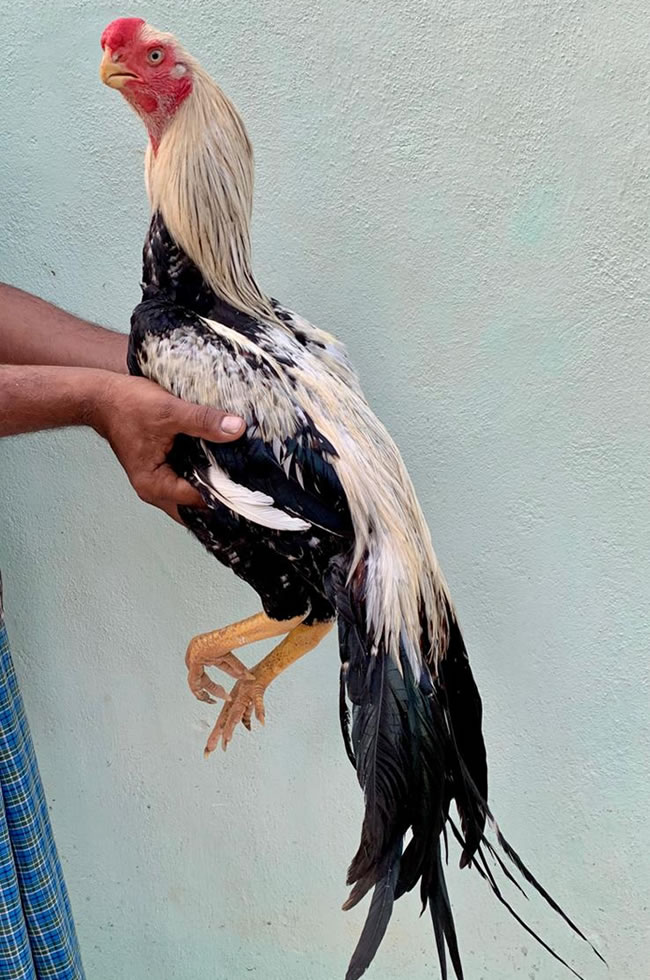
When talking about native chicken breeds in India, there is one breed which deserves all the adulation and acclaim, and that is the Aseel. Historically considered as the king of game fowl breeds, the Aseel chicken breed epitomizes sheer stamina, grand stance and royalty. The various types of this breed include the Parrot Beak Aseel breed which is often called Kilimookku Aseel.
If you are a seasoned poultry farmer, an enthusiastic hobbyist or even an amateur who wishes to purchase authentic bloodlines for their chickens, it becomes difficult to source the same. Located in the agricultural town of Gobichettipalayam (Gobi) near Erode, Tamil Nadu, Nithys Aseel Farm has become the name of choice for people who wish to raise and supply high-quality Aseel chickens which include Parrot Beak Aseel chickens, Aseel chickens for sale, breeding stock and hatching eggs.
What Makes the Parrot Beak Aseel Unique?
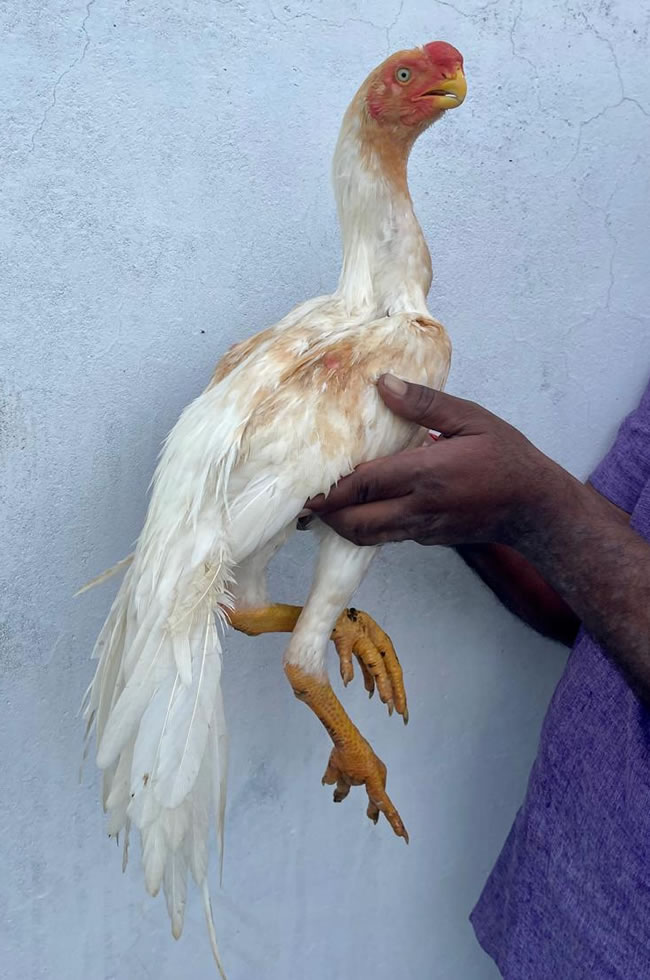
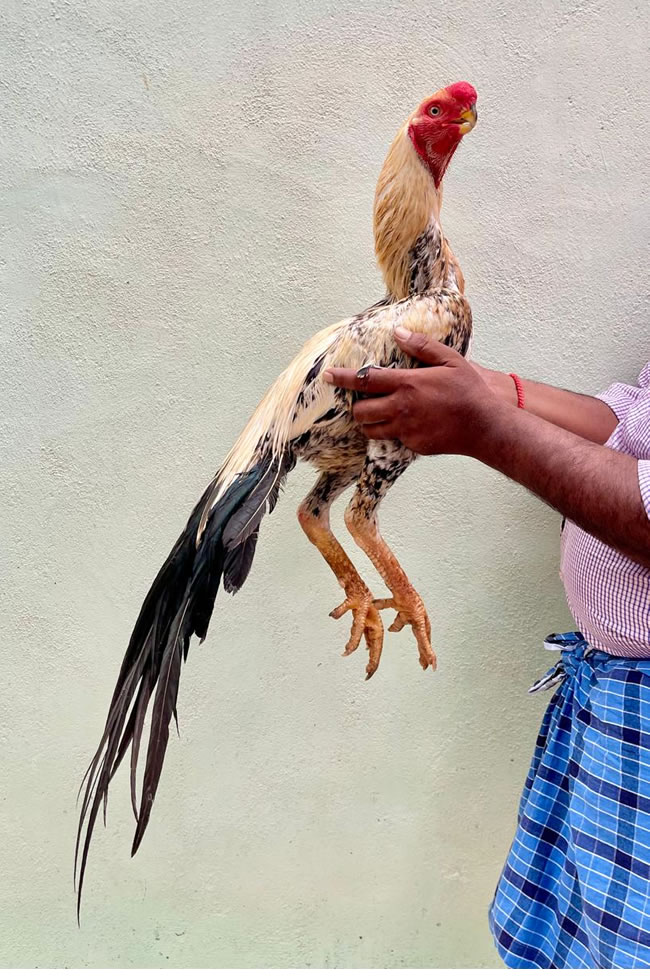
Parrot Beak Aseel is an Aseel breed with such name due to unique facial features. In contrast with regular birds or other breeds of Aseel, this bird has a relatively short beak that is thick and curved and looks like a parrot’s one.
Beyond the face, these birds possess a striking physical presence:
- Muscular Build: They display a heavy, compact, and athletic frame with broad shoulders and a prominent chest.
- Long Tail Carriage: Most true Parrot Beak lines feature a majestic, downward-sloping long tail that enhances their aggressive yet graceful stance.
- Temperament: They are exceptionally alert, brave, and spirited. While mature roosters can be territorial with other males, they exhibit remarkable trust, calmness, and bonding toward their human keepers.
Breed Characteristics at a Glance
Understanding the biological and physical traits of the Parrot Beak Aseel helps breeders manage expectations regarding growth, management, and utility:
| Feature | Description |
| Origin | Indian Subcontinent (Deeply rooted in Andhra Pradesh & Tamil Nadu) |
| Distinguishing Mark | Short, curved, parrot-like beak (Kilimookku) |
| Body Weight | Robust structure; sturdier than standard lightweight desi fowls |
| Purpose | Ornamental display, preservation of rare heritage genetics, and backyard guarding |
| Egg Laying Capacity | Modest layers (approx. 40–70 eggs per year), but exceptional broody hens and mothers |
Sourcing Pure Bloodlines: Why Choose Nithys Aseel Farm?
The purchase of indigenous breeds from the internet or local markets involves some risk such as crossbreeding, weak immunity, or poor structural quality. Nithys Aseel Farm, situated at Gobichettipalayam (Gobi), near Erode in Tamil Nadu, practices science-based and humane methods of breeding.
Specializing in purebred birds only, Nithys Aseel Farm caters to all your needs. Be it active Aseel chicks, full-fledged Parrot Beak Aseel birds to complete your poultry, or even fertilized eggs to hatch on your own, rest assured that all birds at Nithys Aseel Farm grow up under hygienic and stress-free conditions. Safe deliveries anywhere in India, Nithys Aseel Farm takes pride in offering you transparency, reasonable prices, and proper transportation advice for live poultry.

Essential Care & Housing Tips for Parrot Beak Aseel
Raising high-performance heritage birds requires attention to detail. Because Aseels are active and possess an independent streak, standard commercial management rules do not always apply.
1. Space and Free-Range Access
Parrot Beak Aseels thrive best when given room to move. Confining them to cramped coops can induce stress and feather-pecking. Provide a secure, spacious outdoor run or free-range pasture where they can forage for greens, insects, and grit.
2. Coop Security and Flooring
Ensure your coop is predator-proof. Because these birds have strong legs and heavy bodies, low-level perches (about 1 to 1.5 feet off the ground) are recommended to prevent joint injuries when they fly down. Keep the litter dry to avoid footpad dermatitis.
Nutrition and Feeding Strategies
A magnificent physical build requires balanced nutrition. Feed quality dictates feather shine, bone density, and immune health.
- Protein-Rich Diet: Growing Aseel chicks require starter feeds containing 20–22% protein for optimal muscle and bone development.
- Grains and Greens: Adult birds benefit from a mix of cracked maize, millets (ragi and bajra), wheat, and fresh green fodder.
- Calcium and Minerals: Supplement laying hens and active breeding cocks with crushed oyster shells or bone meal to maintain strong skeletal frames and hard eggshells.
Breeding Management for Success
If you plan to breed your Parrot Beak Aseel stock, selective pairing is vital. Always select parent stock that exhibits true breed markers—such as the exact hook of the beak, straight back lines, and strong bone thickness.
- Flock Ratio: Maintain a healthy ratio of 1 rooster to 4–5 hens to prevent over-mating and stress.
- Egg Selection: If buying or setting hatching eggs, choose clean, uniformly shaped eggs without hairline cracks. Store them in cool, humid environments before setting them under an broody Aseel hen or inside an artificial incubator.
Common Mistakes to Avoid
- Overcrowding: Housing too many growing stags (young roosters) together leads to severe territorial fights. Separate young males early.
- Neglecting Vaccination: Desi birds are hardy, but they are not immune to major outbreaks like Ranikhet (Newcastle disease) or Marek’s disease. Follow a strict veterinary vaccination schedule.
- Compromising on Genetics: Buying mixed-breed crosses under the guise of pure Parrot Beak Aseel dilutes the distinct physical traits. Always source from trusted, specialized breeders like Nithys Aseel Farm.
Frequently Asked Questions (FAQs)
1. What is a Parrot Beak Aseel?
It is a rare and prized strain of the traditional Indian Aseel chicken, instantly recognizable by its short, curved beak that resembles a parrot’s bill, alongside a muscular body and long tail.
2. Where is Nithys Aseel Farm located?
Nithys Aseel Farm is based in Gobichettipalayam (Gobi), near Erode, Tamil Nadu, and safely serves poultry enthusiasts and farmers across all major states in India.
3. Do you ship live Aseel chicks across India?
Yes, Nithys Aseel Farm carefully coordinates safe and secure shipping options for Aseel chicks, mature birds, and hatching eggs to destinations across India, prioritizing animal welfare and health.
4. Are Parrot Beak Aseel chickens good egg layers?
They are moderate layers, typically producing around 40 to 70 eggs per year. However, Aseel hens are legendary for their exceptional mothering instincts and sitting capabilities.
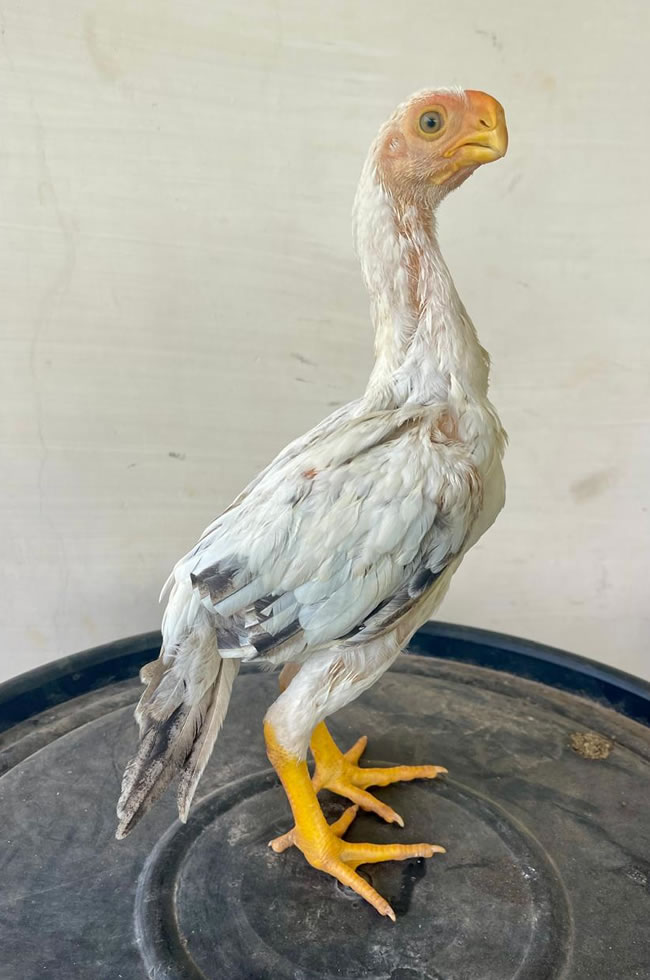
5. How can I identify a pure Parrot Beak Aseel chick?
Pure chicks display a distinct downward curvature of the upper beak even at an early age, coupled with an upright, sturdy leg structure and alert demeanor.
6. What is the ideal feed for growing Aseel birds?
They require high-protein starting feed during their first few months, transitioning to a balanced mix of whole grains, green leaves, and clean drinking water as they mature.
7. Can Parrot Beak Aseel birds live in a backyard flock?
Yes, though mature roosters can be aggressive toward other males. They require adequate space and secure fencing to prevent territorial disputes.
8. How do I order breeding stock or hatching eggs from Nithys Aseel Farm?
You can directly contact Nithys Aseel Farm through their official communication channels to check current stock availability for Parrot Beak Aseel, breeding pairs, chicks, and fertile eggs.
9. Are these birds suitable for beginners?
Yes, provided the beginner understands their need for space, secure housing, and proper protein-rich nutrition. Their hardy nature makes them rewarding for dedicated first-time owners.
10. Why are Parrot Beak Aseel chickens more expensive than normal country chickens?
Their rarity, strict selective breeding requirements, striking ornamental aesthetics, and pure bloodline preservation make them valuable collector and heritage items in the poultry community.
Disclaimer: The information provided in this blog post is for general informational purposes only. While we strive to keep the content accurate and up to date, we do not guarantee its completeness, reliability, or accuracy. Any actions you take based on this information are strictly at your own risk. We are not responsible for any losses, damages, or inconveniences that may arise from the use of this blog. For professional advice, please consult a qualified expert.
