India has a legacy of indigenous poultry farming, and none other than the impressive Aseel chickens occupy the central stage in this heritage. With an imposing stature, great endurance, and warrior-like toughness, Aseels are not just farm birds; they represent pride and endurance. No matter if you are a seasoned breeder, an enthusiast, or a beginner in the poultry business, the very first step you need to take to succeed is acquiring pure breed stock.
Nithys Aseel Farm, located in the agriculturally rich area of Gobichettipalayam (Gobi), near Erode, Tamil Nadu, is one such place that you can turn to if you are interested in raising poultry in India. Offering ethically bred heritage breeds of healthy poultry, including the rare varieties such as the Parrot Beak Aseels, live Aseel chicks, breeding stock, and eggs with a high hatch rate; Nithys Aseel Farm connects the dots between the heritage and contemporary poultry business.
Understanding the Aseel Breed: History and Characteristics
Aseel is derived from the Arabic or old Indian language meaning “Pure,” “Thoroughbred,” or “Original.” These birds have been described in India for thousands of years due to the special characteristics that they possess and their high disease resistance.
.Core Physical Traits
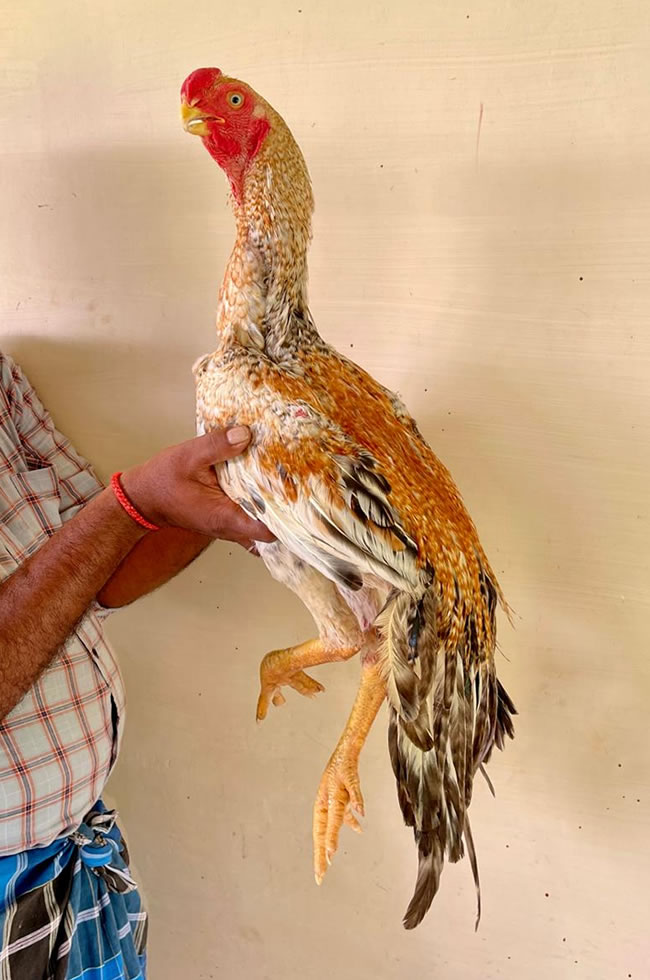
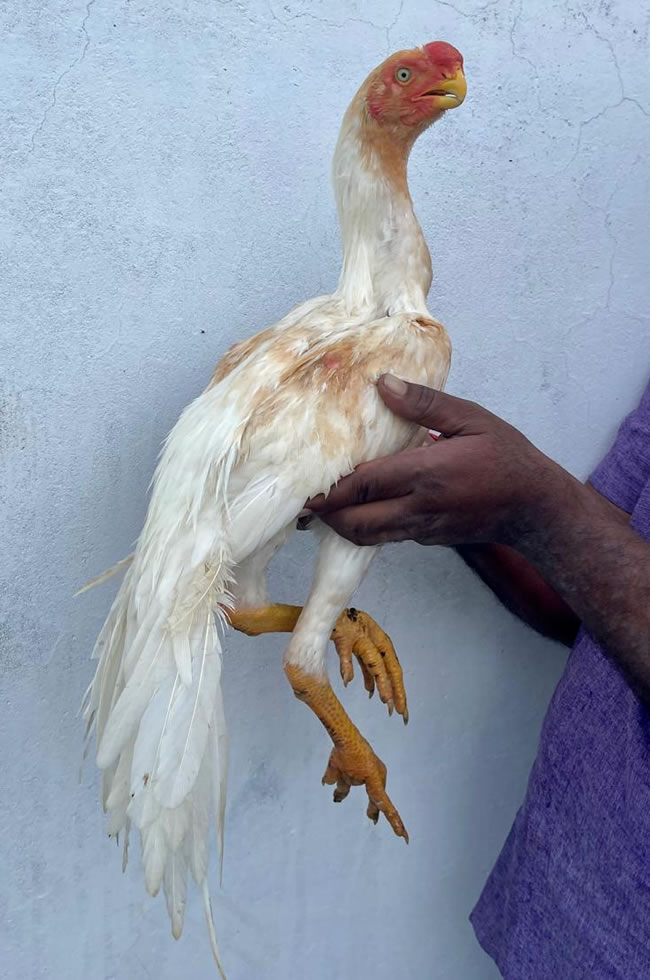
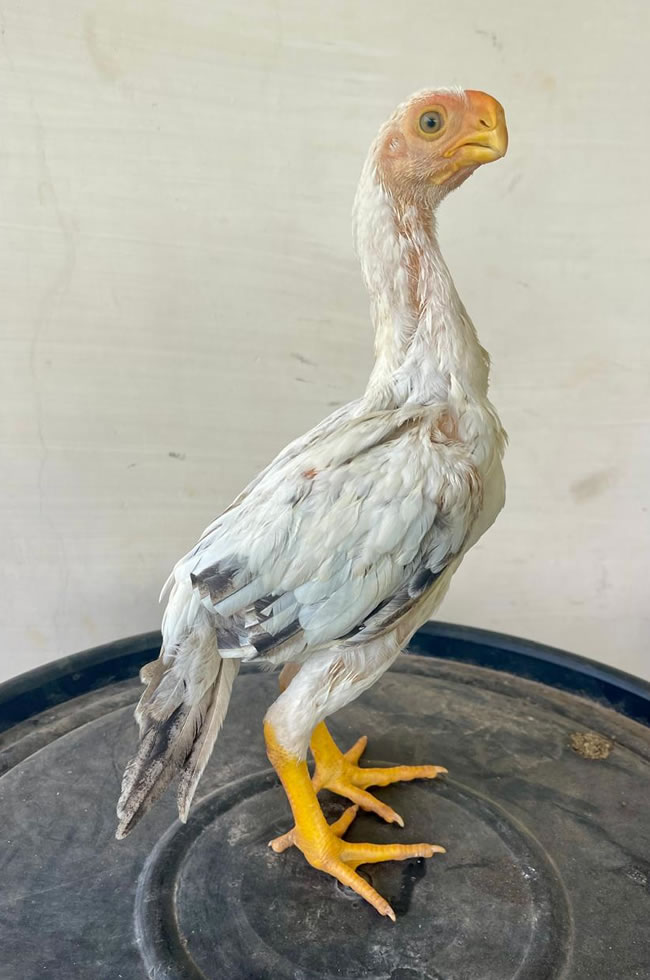
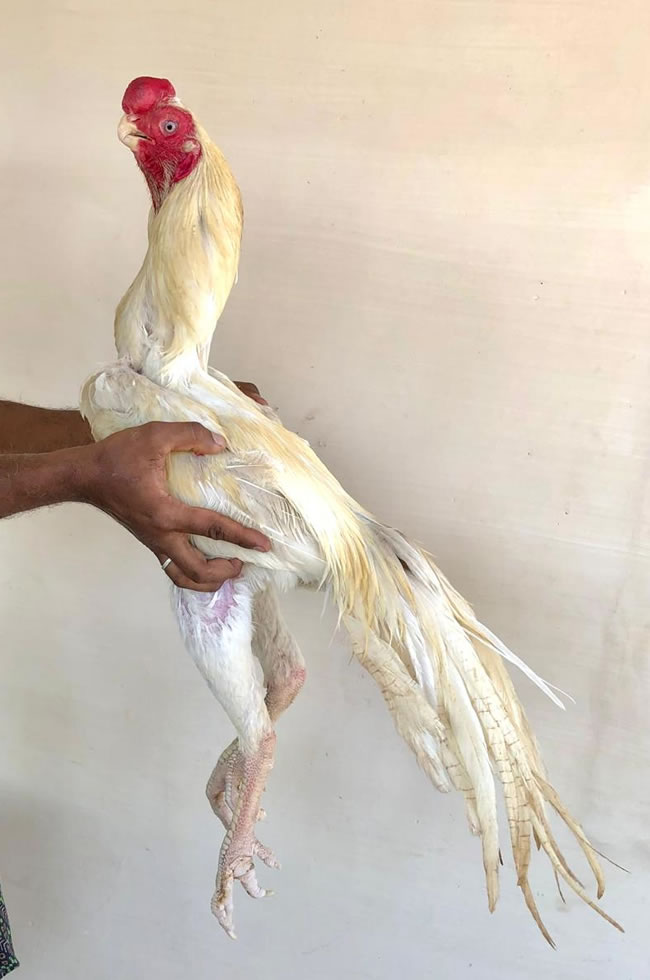
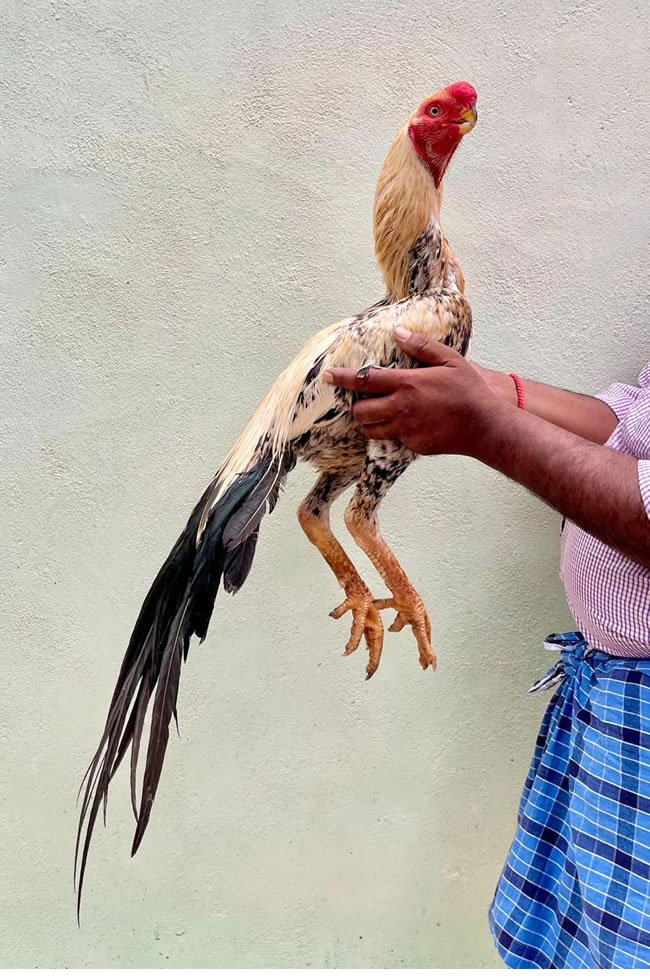
- Muscular Build: Aseels feature heavy, compact bodies with dense bone structures. They are remarkably heavy relative to their size.
- Plumage: Unlike soft-feathered commercial breeds, Aseels possess short, hard feathers that lie tightly against their skin.
- Head and Beak: They feature a broad skull, pearl-to-yellow eyes, a small pea comb, minimal wattles, and distinct variants like the sought-after Parrot Beak Aseel (Kilimookku), which has a short, deeply curved beak reminiscent of an eagle or parrot.
- Stance: An upright, commanding posture with strong, well-spaced legs and powerful thighs.
Why Choose Nithys Aseel Farm?
Finding pure and unhybridized Aseel stock may prove difficult in the current commercial scenario, where crossbred layer and broiler breeds have dominated the market. Nithys Aseel Farm follows rigorous standards of breeding in order to ensure line purity, conformation, and vigor.
Based out of Gobichettipalayam in Tamil Nadu, the farm offers its services to all of India and assures safe transportation and honest dealings. By buying birds from Nithys Aseel Farm, you get:
- True-to-Type Bloodlines: Carefully managed parent stock exhibiting authentic traits, superior stamina, and classic colour variations.
- Health and Vitality: Birds raised in hygienic, spacious environments with a strong focus on natural immunity and disease resistance.
- Diverse Offerings: From day-old Aseel chicks and fertile hatching eggs for hobbyists with incubators, to mature breeding stock for established breeders.

Key Offerings at Nithys Aseel Farm
1. Parrot Beak Aseel (Kilimookku Aseel)
Renowned for its distinctively curved, short beak and aggressive, alert facial structure, the Parrot Beak is a prized possession among collectors and connoisseurs. Nithys Aseel Farm carefully preserves this line for its striking aesthetics and energetic disposition.
2. Vigorous Aseel Chicks
Starting your flock with young chicks allows you to bond with the birds while monitoring their development. Nithys Aseel Farm provides active, vaccinated, and well-started Aseel chicks that adapt smoothly to new home environments.
3. Mature Breeding Stock
For those looking to skip the brooding phase and immediately enhance their breeding program, mature cocks and hens with proven structural traits are available.
4. High-Quality Hatching Eggs
For hobbyists equipped with reliable incubators or broody hens, farm-fresh hatching eggs collected from top-tier parent stock offer an economical way to hatch pure lines at your own location.
Practical Housing and Management Tips
Raising Aseels requires a slightly different approach compared to commercial layer breeds. Their active, territorial nature means you must plan your infrastructure carefully.
Space and Housing Requirements
- Prevent Overcrowding: Aseels are notoriously territorial. Mature roosters must be housed in individual pens or spacious runs once they mature to prevent severe fighting.
- Free-Range Capability: These birds excel as foragers. Providing a secure outdoor pasture or run allows them to stretch their legs, peck at greens, and soak up natural sunlight, which improves overall bone density and muscle tone.
- Dry and Clean Flooring: Use rice husks, sand, or dry straw in the shelter. Clean bedding prevents foot rot and respiratory ailments.
Feeding and Nutritional Requirements
Because Aseels are heavy-bodied, muscular heritage birds, their nutritional plane dictates their growth, feather quality, and reproductive output.
- Protein Balance: Chicks require a starter feed containing 18% to 20% protein for proper muscle and skeletal development. Growers and mature breeding stock benefit from balanced grains supplemented with cracked corn, millet, and natural protein sources like earthworms or occasional fish meal.
- Green Feed and Supplements: Introduce fresh greens such as chopped cabbage, moringa leaves, and grass to supply essential vitamins. Always ensure access to crushed oyster shells or calcium grit for hens laying eggs with strong shells.
- Hydration: Clean, cool drinking water must be available 24/7. During peak summer months in Tamil Nadu and across India, electrolyte supplements in water help combat heat stress.
Essential Breeding Advice and Common Mistakes to Avoid
Breeding Aseels successfully is an art that requires patience and sharp observation. Keep these insights in mind:
- Monitor Mating Pairs: Aseel roosters can be selective and harsh with hens. Introduce pairs slowly and monitor them to prevent unnecessary injury.
- Separate Young Roosters Early: Even as young as 8 to 12 weeks old, cockerels will begin sparring. Separate them early to protect their plumage and prevent physical damage.
- Avoid Inbreeding Depression: Maintain a structured breeding log. Introduce unrelated bloodlines periodically to preserve vigor, size, and hatchability rates. Nithys Aseel Farm helps breeders bypass this hurdle by supplying genetically diverse, pure stock.
Frequently Asked Questions (FAQs)
1. Where is Nithys Aseel Farm located?
Nithys Aseel Farm is located in Gobichettipalayam (Gobi), near Erode, in the state of Tamil Nadu.
2. Does Nithys Aseel Farm ship birds across India?
Yes, safe and reliable transport assistance is available for dispatching birds, chicks, and eggs securely to various regions across India.
3. What varieties of Aseel are available at the farm?
The farm specializes in pure bloodline Aseels, including popular variations like the Parrot Beak (Kilimookku) Aseel, classic colored strains, and robust indigenous lines.
4. Are Aseel chickens good for egg production?
Aseels are primarily bred for meat, stamina, and ornamental/heritage purposes. Hens lay a lower volume of tinted-to-brown eggs annually, but they make exceptional, fiercely protective broody mothers.
5. At what age should Aseel chicks be separated to prevent fighting?
Cockerels typically start showing aggressive, territorial sparring behaviors around 8 to 12 weeks of age. It is best to separate them into individual enclosures or spacious coops by this time.
6. Do you supply fertile hatching eggs?
Yes, fresh, hand-selected fertile hatching eggs from high-quality parent stock are available for buyers who prefer artificial incubation.
7. How do I maintain the health of my Aseel flock?
Maintain strict biosecurity, keep coops dry, provide a high-protein balanced diet, and adhere to a standard vaccination schedule against common poultry diseases like Marek’s and Ranikhet.
8. Are Aseel chickens friendly with humans?
Despite their aggressive nature toward other chickens, Aseels are remarkably intelligent and typically form a strong, affectionate bond with their human handlers and keepers.
9. Why are Aseels heavier than they look?
Aseels possess dense, heavy bones, tight muscle mass, and short, hard feathers that compress their body mass, making them feel much heavier in hand than standard fluffy breeds.
10. How can I place an order with Nithys Aseel Farm?
You can reach out to Nithys Aseel Farm directly via their contact channels or official farm listings to discuss availability, pricing, and safe delivery options for chicks, breeding stock, or hatching eggs.
Disclaimer: The information provided in this blog post is for general informational purposes only. While we strive to keep the content accurate and up to date, we do not guarantee its completeness, reliability, or accuracy. Any actions you take based on this information are strictly at your own risk. We are not responsible for any losses, damages, or inconveniences that may arise from the use of this blog. For professional advice, please consult a qualified expert.
