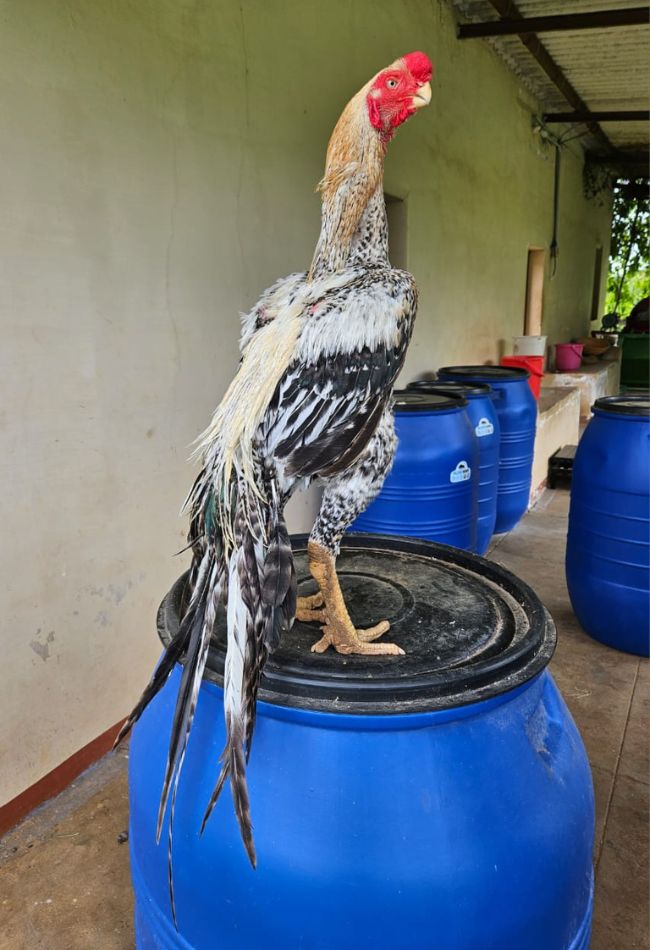
For many years now, the Aseel Chicken (or Asil) has been a source of fascination to both backyard poultry farmers, traditional breeders and poultry enthusiasts within the Indian sub-continent. With their majestic bearing, amazing stamina and attractive looks, Aseel chickens that trace their lineage to the pure breeds are not merely animals but also a part of our agricultural heritage.
Be you a professional poultry farmer who is in search of quality genetics to make his poultry farm thrive, or a backyard breeder seeking prestige, or a beginner venturing into the fascinating field of indigenous game birds for the first time, obtaining healthy birds with good genetics becomes extremely important. Headquartered at Gobichettipalayam (Gobi), near Erode, in the poultry hub of Tamil Nadu, Nithys Aseel Farm breeds pure bloodline Aseel Chickens.

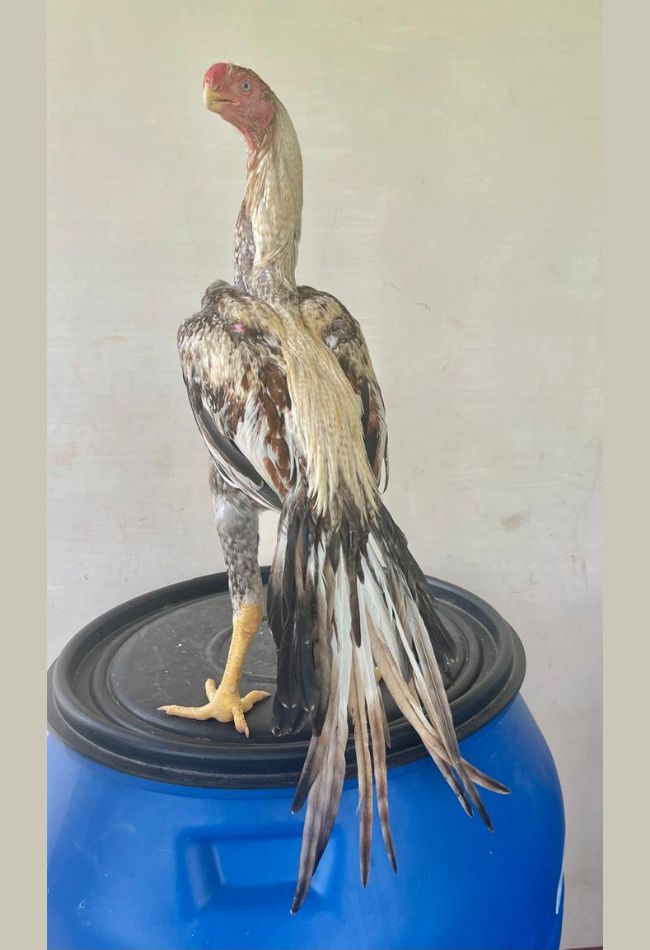
Understanding the Aseel Breed: Characteristics & Heritage
The term Aseel comes from ancient India and its direct translation from Arabic means “pure breed”. Such animals possess an exclusive structure, designed by nature to be tough, durable, and graceful.
Key Physical Traits
- Head and Beak: Aseels feature a broad skull and a short, stout beak. Particular variants, such as the prized Parrot Beak Aseel, feature a curved upper mandible closely resembling a parrot’s bill, which is a hallmark of elite traditional bloodlines.
- Comb and Eyes: They possess a small, tight pea comb that minimizes frostbite or injury risks, alongside bold, pearl-white, or yellow eyes that project alertness and high intelligence.
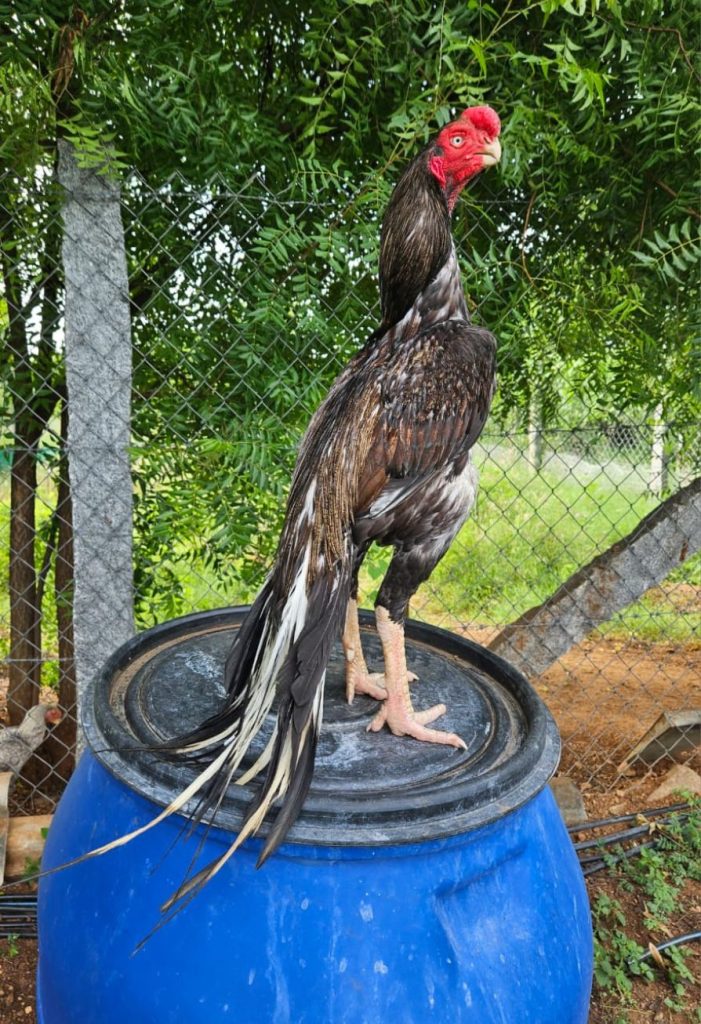
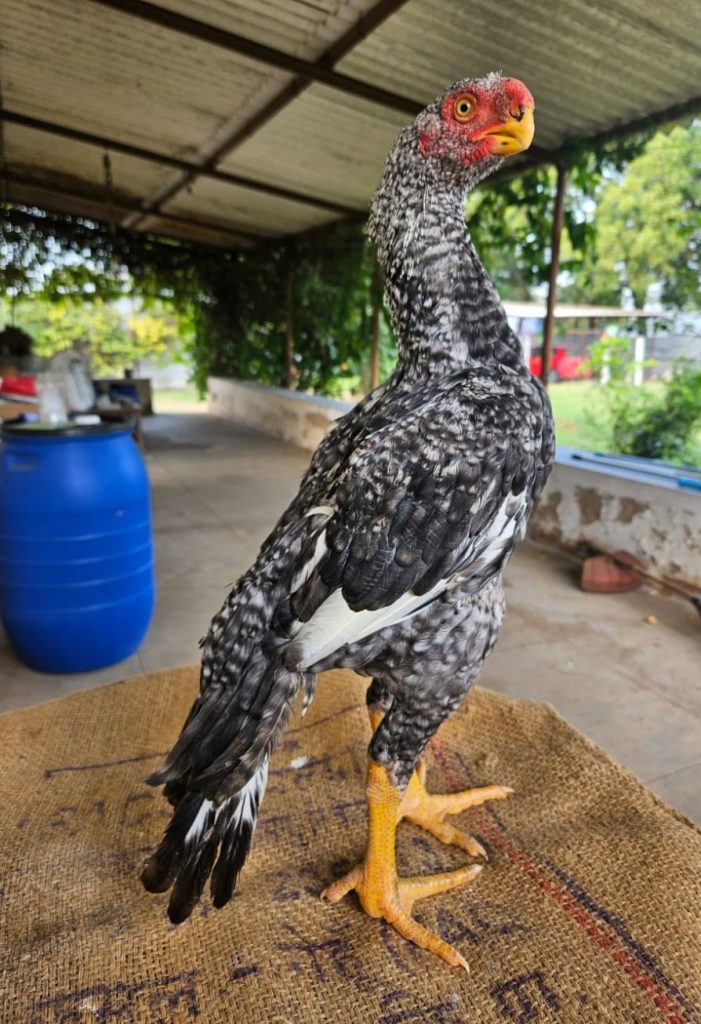
- Body Conformation: Aseels exhibit a compact, muscular build with broad shoulders, a prominent chest, and hard, scanty plumage. Their feathers lack fluffy underlays, feeling dense and wire-like to the touch.
Popular Aseel Varieties Available in India
Aseel from different parts of India have been developed with various types depending upon their color markings, size, and body type. Nithys Aseel Farm takes pride in breeding these varieties:
- Parrot Beak Aseel (Kilimookku): Famous for its short, curved beak, powerful thighs, and upright, warrior-like carriage.
- Sengaruppu & Mayil Karuppu: Striking combinations of rich black-and-red or black-and-yellow plumage patterns.
- Kokku Vellai: Imposing pure white specimens prized for their clean lines and majestic statures.
- Reza Aseel: A slightly smaller, highly active, and agile variant known for exceptional hardiness and foraging prowess.
Setting Up for Success: Housing and Environment
Raising Aseel chickens requires an understanding of their natural instincts and robust temperament. Because they are active and territorial, your housing design must account for their behaviour.
- Space Requirements: Aseels dislike overcrowding. Provide ample free-range space or large runs. Confining them too tightly triggers aggressive pecking and stress.
- Dry Flooring: These birds thrive in dry climates. Ensure your coop features well-drained flooring layered with clean paddy husk or wood shavings to prevent foot rot and respiratory moisture issues.
- Secure Fencing: Because of their athletic prowess and strong flight-and-jump capabilities, secure perimeter fencing with adequate height is essential.
Nutrition and Feeding Guide for Pure Bloodline Aseels
To maintain their muscular frame and glossy plumage, Aseels require a nutrient-dense diet tailored to their life stage.
- Protein-Rich Formulas: Growing Aseel chicks need 20% to 22% starter protein during their first eight weeks to support rapid bone and muscle development.
- Grain and Greens Supplementation: Transition adult birds to a balanced mix of cracked corn, bajra (pearl millet), wheat, and fresh greens. Free-ranging allows them to forage for insects, which naturally supplements their mineral intake.
- Clean Hydration: Always provide cool, fresh water. Electrolyte supplements during peak summer months help protect your flock from heat stress.
Ethical Breeding Practices at Nithys Aseel Farm
The choice of the best breeding partner is the most critical choice you will make as a breeder of poultry. Lack of adequate genetic care causes problems like physical weakness, poor disease resistance, and loss of breed type.
Based in Gobichettipalayam (Gobi), which is close to Erode in Tamil Nadu, Nithys Aseel Farm is dedicated to breeding on a high standard of ethics. Natural strength, accurate physical structure, and breed-type traits are more important to us than commercial production tricks. No matter whether you are looking for live breeding birds, lively chicks or well-packed eggs, all the birds you get from our farm go through rigorous health checks and have their lineages well documented.
Practical Tips for First-Time Aseel Buyers
- Start Small: If you are new to the breed, begin with a trio (one rooster and two hens) or a batch of month-old Aseel chicks to understand their behaviours and management requirements.
- Inspect Bloodline Markers: Look for broad skulls, straight backlines, stout legs, and alert eyes when evaluating stock.
- Quarantine New Arrivals: Always isolate newly purchased birds for 14 days before introducing them to your existing flock to monitor health.
Common Mistakes to Avoid in Aseel Farming
- Housing Roosters Together: Mature Aseel stags and roosters are fiercely territorial. Never house mature males in the same enclosure unless partitioned securely.
- Overlooking Parasite Control: Due to their outdoor foraging habits, regular deworming and dusting for external parasites are mandatory.
- Compromising on Feed Quality: Skimping on dietary protein results in stunted growth and poor muscle definition in growing game fowl.
Frequently Asked Questions (FAQs)
1. Where is Nithys Aseel Farm located?
Nithys Aseel Farm is based in Gobichettipalayam (Gobi), near Erode, Tamil Nadu. We supply pure bloodline Aseel chickens, chicks, and hatching eggs to customers across all major states in India.
2. Do you ship Aseel chicks and hatching eggs across India?
Yes, we utilize safe, secure, and ventilated transport boxes to ship active Aseel chicks and fertile hatching eggs safely to destinations across India.
3. What makes the Parrot Beak Aseel so popular?
The Parrot Beak Aseel (Kilimookku) is highly sought after by collectors and breeders for its unique short, curved beak, exceptionally muscular body structure, and proud, commanding gait.
4. Are Aseel chickens good egg layers?
Aseels are primarily classified as a heritage meat and ornamental breed rather than commercial egg machines. Hens lay a moderate number of tinted-to-cream eggs, but they make exceptionally attentive mothers with superior brooding instincts.
5. At what age do Aseel chicks start showing distinct breed traits?
Physical characteristics such as head shape, pea combs, and upright stance typically begin to become distinct around 8 to 12 weeks of age.
6. How should I feed young Aseel chicks for optimal muscle growth?
Feed them a high-protein starter crumb (20–22% protein) for the first two months, gradually transitioning to cracked grains, locally sourced greens, and clean water.
7. Can Aseel chickens adapt to cold climates?
While Aseels tolerate heat remarkably well, they prefer dry environments. In colder northern regions of India, their coops must be heavily insulated against dampness and drafts.
8. How can I prevent fighting among my Aseel flock?
Keep mature roosters separated in individual pens. Ensure your pens are spacious enough, and provide visual barriers if housing growing cockerels together.
9. What is the average weight of an adult pure bloodline Aseel?
An adult pure bloodline Aseel rooster typically weighs between 3.5 kg to 4.5 kg, while adult hens generally range from 2.5 kg to 3.5 kg, depending on the specific strain.
10. How do I place an order with Nithys Aseel Farm?
You can reach out to us directly to discuss current availability for pure bloodline Aseel chicks, breeding pairs, or fertile hatching eggs, and we will guide you through our safe interstate transport procedures.
