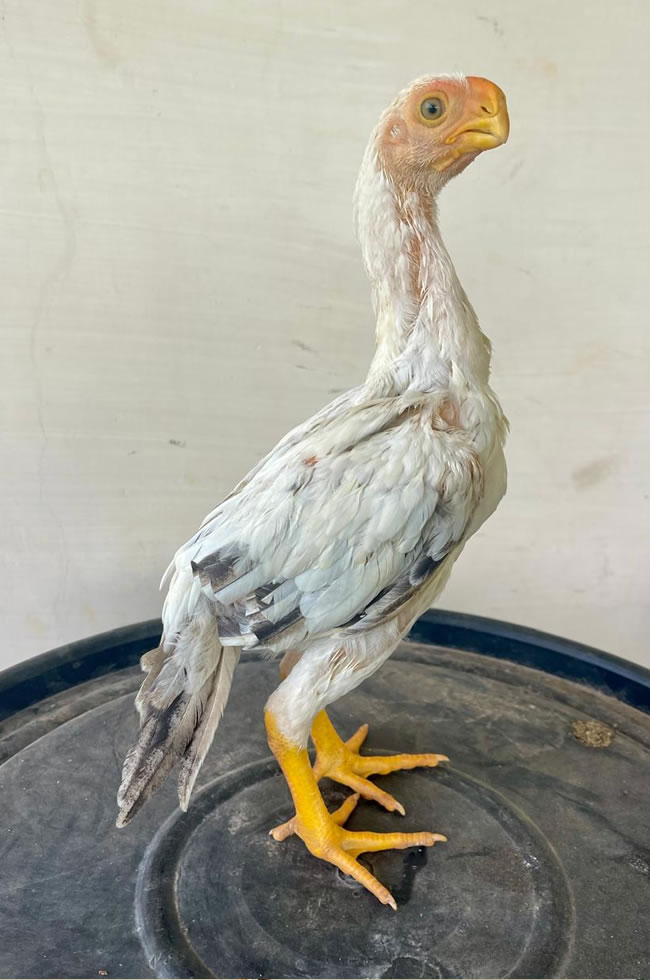
The Aseel chicken has long been revered on the Indian subcontinent. With a regal bearing, unmatched endurance and royal pedigree, Aseel is not just a bird breed but also a tradition. No matter whether you are a professional poultry breeder, an enthusiast of breeding your own indigenous gamefowl or a new entrant buying Aseel chickens for the first time; there is no better way of starting off than by procuring purebred Aseel hatching eggs.
Situated at Gobichettipalayam (Gobi), near Erode, in Tamil Nadu, Nithys Aseel Farm is known for our Aseel chicken breed that has been nurtured on our farm for generations. We cater to poultry breeders and enthusiasts all across India and provide you with ethically bred Aseel chickens, Parrot Beak Aseel chickens, active Aseel chicks, and Aseel breeding stock as well as high-fertility Aseel hatching eggs.
Why Choose Hatching Eggs Over Grown Birds?
Starting your flock from hatching eggs is an exciting venture that offers distinct advantages:
- Cost-Effective Transport: Shipping live adult birds or growing chicks across long distances in India can cause transit stress. Hatching eggs travel securely when packed professionally.
- Bonding and Imprinting: Chicks that hatch under your care imprint on their environment and handlers from day one, resulting in docile behavior toward humans.
- Complete Flock Control: You manage the incubation, brooding, and early nutrition personally, ensuring maximum vitality right from birth.
Understanding Pure Aseel Breed Characteristics
Aseels that are true to type have specific qualities that distinguish them from meat and layer breeds used commercially. You get those unique qualities when you purchase pure Aseel hatching eggs from Nithy’s Aseel Farm:
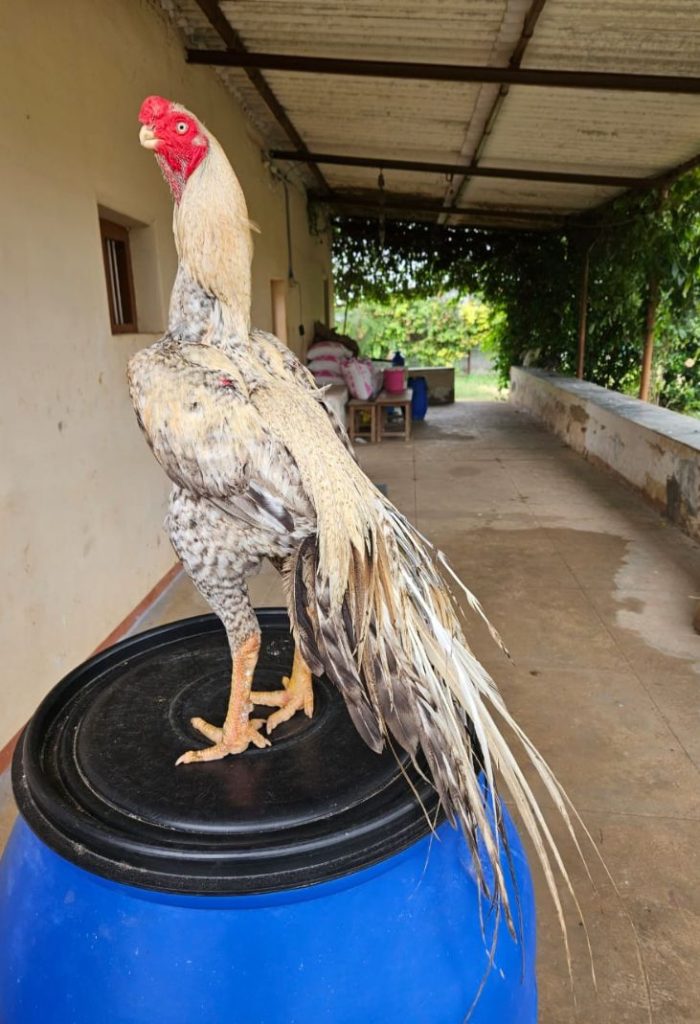
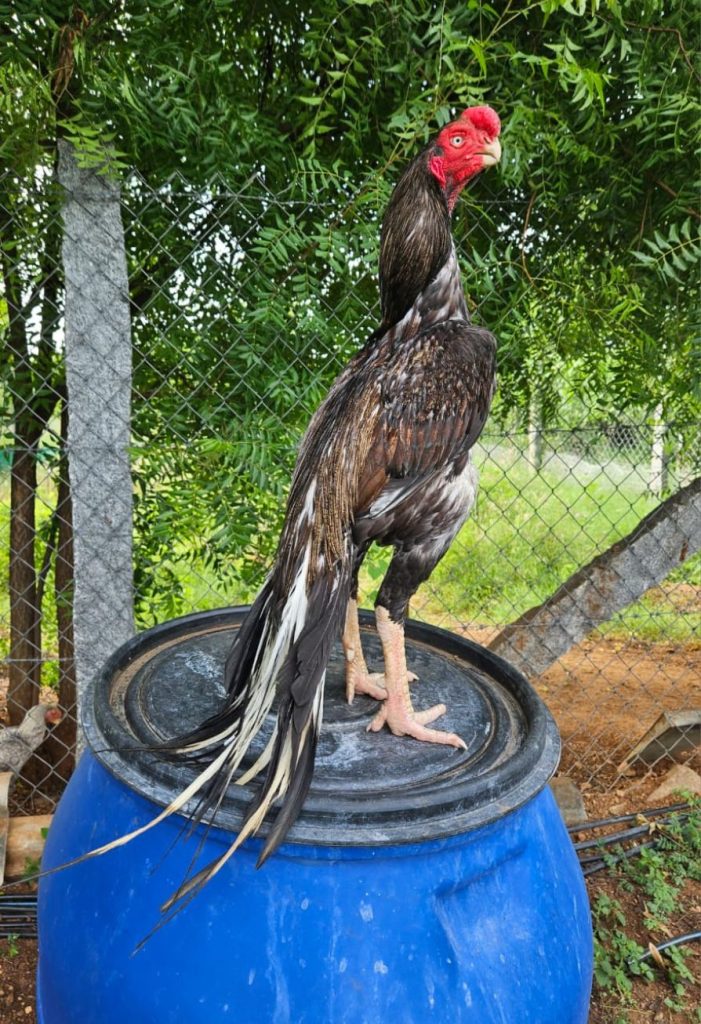
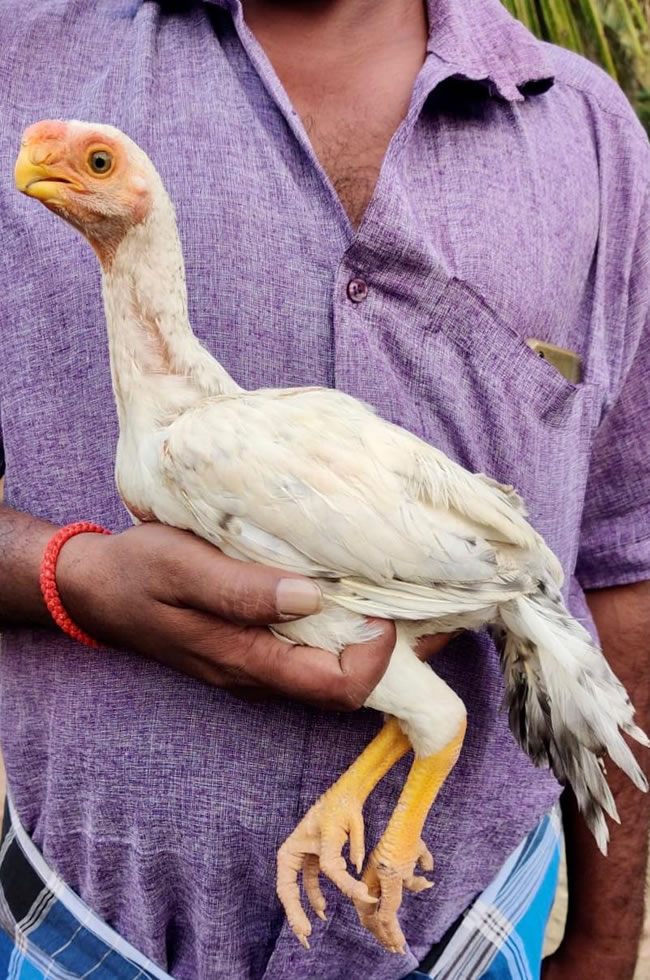
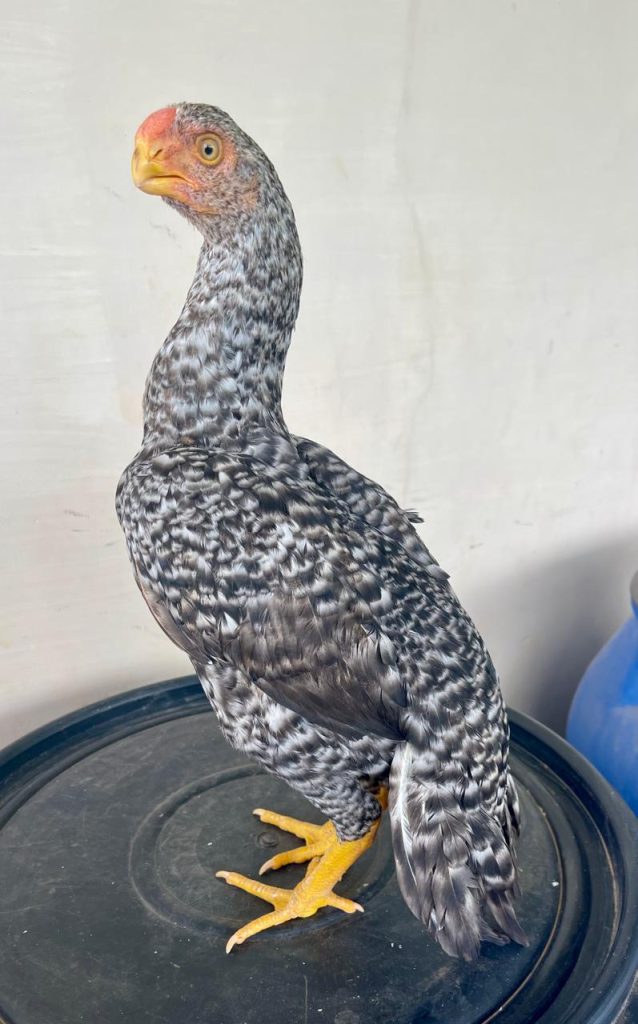
- Majestic Stance: Pure Aseels feature a compact, heavily muscled body held in a remarkably upright, confident posture.
- Head and Beak: A broad skull with a hawk-like, powerful beak. In specialized lines like the Parrot Beak Aseel, the curved upper beak mirrors a parrot’s profile, a highly prized aesthetic trait.
- Plumage and Skin: Feathers are short, hard, and held tightly against the body rather than fluffy.
- Legs and Bone Structure: Strong, clean shanks (typically yellow or pearl depending on the strain) with well-spaced, powerful toes.
Popular Aseel Varieties Available in India
Aseels come in several recognized regional and color strains. Some of the most sought-after variations nurtured in top Indian bloodlines include:
- Peela (Golden Red): Renowned for their striking golden-red plumage and heavy bone structure.
- Kagar & Jawa: Valued for deep black/dark shading, high stamina, and resilience.
- Chitta: Distinctive black-and-white silver-patterned feathers.
- Parrot Beak Strains: Celebrated for their unique head architecture and aggressive visual appeal.
Incubation Guide for Aseel Hatching Eggs
Successfully hatching Aseel eggs requires patience and precision. Because indigenous game fowl eggs have thick shells and distinct natural incubation cycles, follow these best practices for optimal hatch rates:
- Temperature & Humidity: Keep incubator temperature steady at 99.5°F (37.5°C). Maintain humidity at 55% to 60% during days 1 through 18, and bump it up to 65%–70% during the lockdown phase (days 19 to 21) to soften the shell membranes.
- Egg Turning: Turn the eggs at least 3 to 5 times daily if turning manually, or ensure your automatic turner functions seamlessly until day 18.
- Candling: Candle the eggs on day 7 and day 14 to check for healthy blood vessel development and remove unfertilized eggs or quitters.
Brooding and Early Chick Care
Once your Aseel chicks emerge, their early weeks dictate their long-term structural development:
- Warmth: Provide a draft-free brooder box with a temperature starting at 95°F in the first week, reducing it by 5°F each subsequent week.
- Nutrition: Feed a high-protein starter crumb (18% to 20% protein) tailored for game fowl to build strong muscles and sturdy bone frameworks.
- Clean Water: Always ensure access to fresh, clean water infused with organic electrolytes or recommended multi-vitamins during the first week to ward off transport or hatching fatigue.
Housing, Free-Range Management, and Feeding
Aseels are hardy birds that thrive best when they have room to stretch.
Housing Requirements
- Space: Avoid overcrowding. Adult aseels are territorial. Roosters must be housed separately once they mature to prevent severe fighting.
- Ventilation: Ensure dry, well-ventilated night shelters protected from dampness and predators.
Diet and Nutrition
While commercial feed works well, traditional supplements help maintain their vigor:
- Whole grains like cracked maize, bajra (pearl millet), and wheat.
- Fresh green grass, chopped spinach, and seasonal vegetables for essential micronutrients.
- Adequate calcium and phosphorus sources to support bone density.
Common Breeding Mistakes to Avoid
- Inbreeding Too Closely: Always introduce unrelated bloodlines periodically to maintain size, vigor, and immunity.
- Neglecting Biosecurity: Keep new birds quarantined and maintain clean litter to prevent common poultry pathogens.
- Ignoring Temperature Fluctuations: Inconsistent incubator temperatures drastically reduce hatchability rates in native chicken eggs.
Why Nithys Aseel Farm is India’s Trusted Source
Located in Gobichettipalayam (Gobi), near Erode, Tamil Nadu, Nithys Aseel Farm has built a stellar reputation across India on the pillars of transparency, ethical breeding, and genetic purity.
- Authentic Bloodlines: We carefully select our parent stock for structural integrity, genuine temperament, and classic phenotypic traits.
- Carefully Handled Eggs: Our hatching eggs are gathered daily, stored at optimal cellar temperatures, and packed securely using shock-absorbing materials to ensure safe transit across Tamil Nadu and throughout India.
- Comprehensive Offerings: Beyond hatching eggs, we provide vigorous Aseel chicks, premium breeding stock, and specialized lines like Parrot Beak Aseel, suited for serious enthusiasts.
Frequently Asked Questions (FAQs)
1. Do you ship pure Aseel hatching eggs across all of India?
Yes, Nithys Aseel Farm safely packs and ships hatching eggs to major cities and rural destinations across India using reliable courier and transport networks.
2. What is the fertility rate of hatching eggs from Nithys Aseel Farm?
Our parent flocks are maintained under optimal nutritional and natural free-range conditions, consistently yielding high fertility rates between 70% and 85% under proper incubation settings.
3. How should I rest hatching eggs after they arrive via shipping?
Let the eggs rest in a cool, room-temperature area (around 55°F to 65°F) with the pointed end down for 12 to 24 hours before placing them into the incubator. This lets the internal air cell stabilize after transit.
4. Are Aseel chickens difficult to rise for beginners?
Aseels are exceptionally hardy and disease-resistant, making them robust. However, because roosters display strong territorial and aggressive behaviors, handlers need to understand basic flock management.
5. What makes Parrot Beak Aseel strains special?
Parrot Beak Aseel birds feature a distinct facial and beak structure that resembles a parrot’s curve. They are heavily sought after by collectors and breeders for their unique appearance and pure heritage traits.
6. How long does it take for Aseel hatching eggs to hatch?
Like standard chicken breeds, pure Aseel eggs take approximately 21 days to complete incubation.
7. Can I buy live Aseel chicks directly from your farm in Erode?
Absolutely. In addition to hatching eggs, Nithys Aseel Farm offers active Aseel chicks of various age groups directly from our breeding facility in Gobichettipalayam, Tamil Nadu.
8. What payment and ordering methods do you accept?
We offer transparent communication and secure booking options. You can reach out to us directly via phone or WhatsApp to check current stock availability and place your order safely.
Disclaimer: The information provided in this blog post is for general informational purposes only. While we strive to keep the content accurate and up to date, we do not guarantee its completeness, reliability, or accuracy. Any actions you take based on this information are strictly at your own risk. We are not responsible for any losses, damages, or inconveniences that may arise from the use of this blog. For professional advice, please consult a qualified expert.
