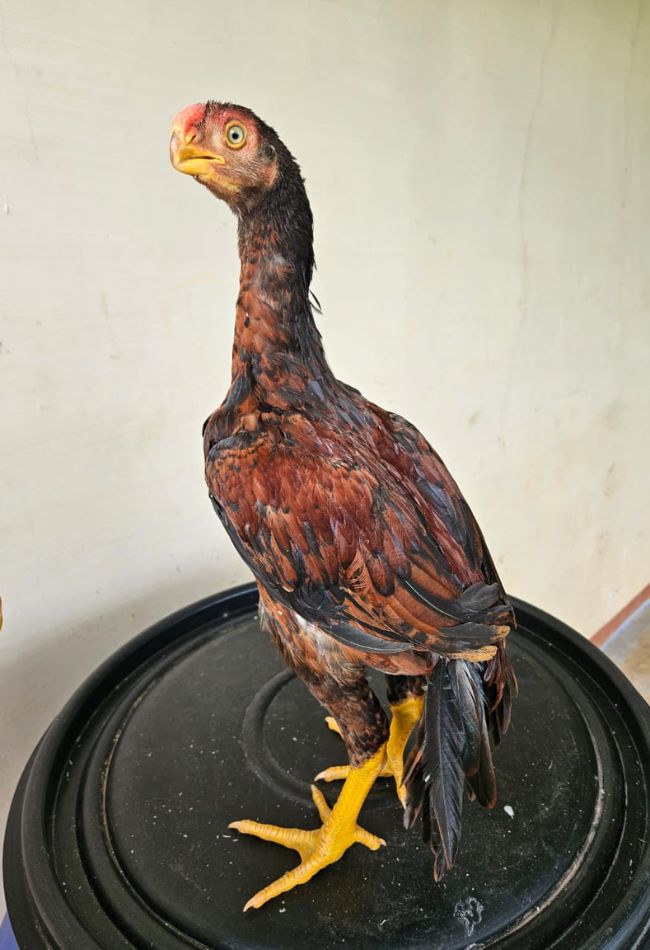
The Aseel chicken is not just a typical poultry bird but one that represents a living icon of India’s agricultural past. The name of the bird comes from an Arabic word meaning ‘pure’ or ‘of noble descent,’ and the Aseel chicken has enjoyed tremendous respect for the last two millennia due to its majestic bearing, fierce temperament, and stunning looks. Today, raising the purebred Aseel chicken continues to be the highest mark of poultry expertise for poultry farmers, hobbyists, and conservationists throughout the nation.
Located in the agricultural town of Gobichettipalayam (Gobi), situated in the state of Tamil Nadu near the town of Erode, Nithys Aseel Farm has emerged as a place that all serious poultry fans trust. Nithys Aseel Farm supplies strong and healthy Aseel chickens and chicks of different types, including the majestic Parrot Beak Aseel chicken, through following strict health requirements, ethics of breeding, and genetic purity.
Understanding Authentic Aseel Breed Characteristics
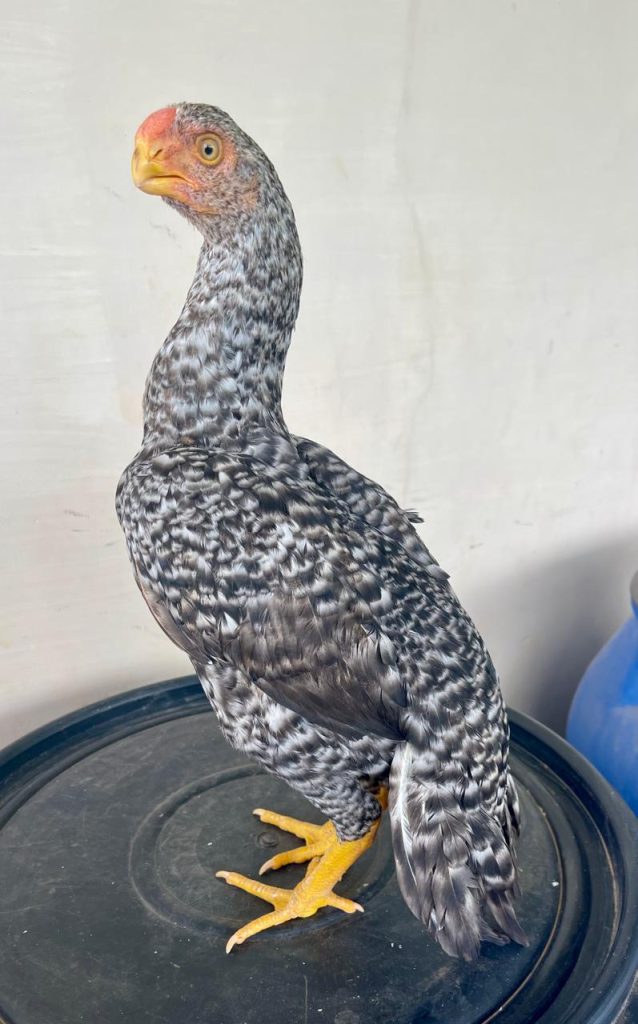
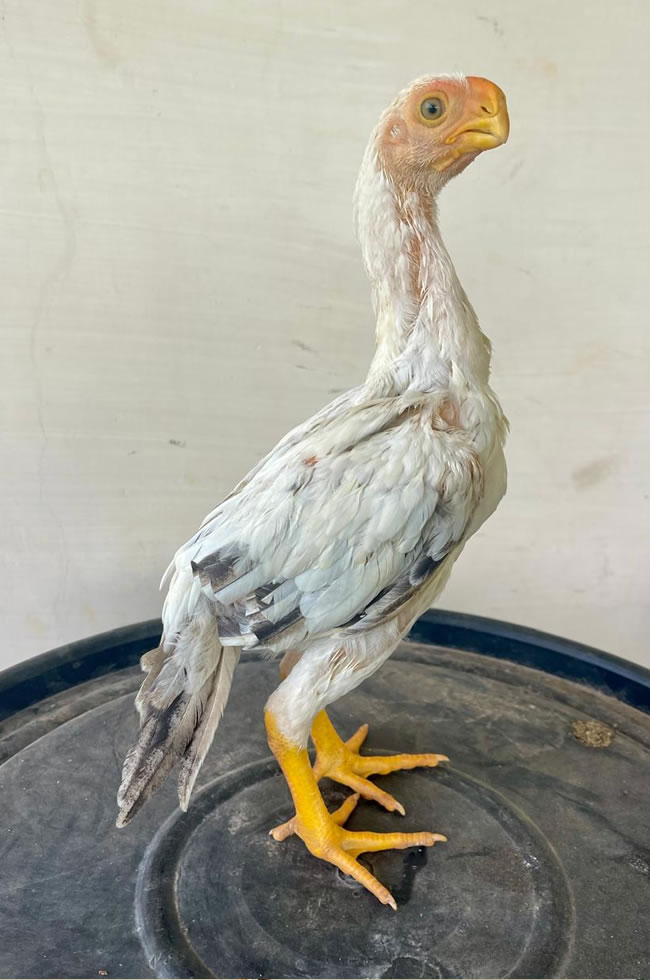
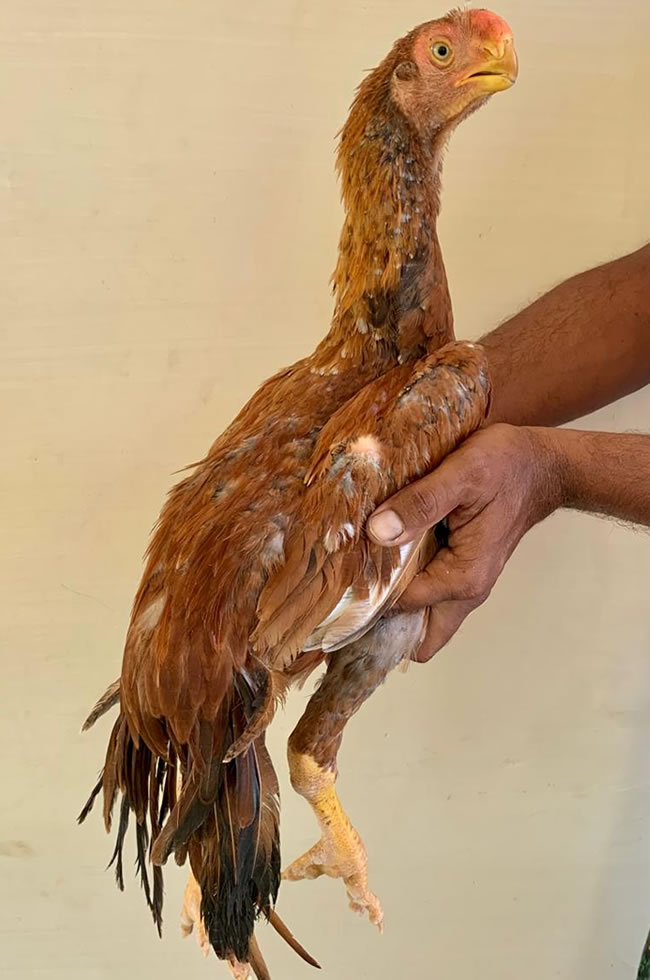
True Aseel chickens are immediately distinguishable from commercial utility hybrids by their athletic anatomy and commanding aura. Rather than being bred for rapid cage-fattening, Aseels possess dense muscle tissue and a heavy, durable bone framework.
- Head Structure and Beak: Aseels feature a broad skull paired with a short, stout beak. In specialized variants like the Parrot Beak Aseel, the upper mandible arches dramatically over the lower bill, mirroring a parrot’s profile.
- Comb and Wattles: They display small, tight pea combs along with minimal wattles—an evolutionary trait that minimizes vulnerability during territorial displays.
- Plumage and Stance: Their feathers are hard, short, and sparse near the breast area, exposing tough, reddish skin beneath. They maintain an upright, alert posture that radiates natural confidence.
Prominent Aseel Strains Found Across India
India is home to several distinct regional strains of Aseel, each refined over generations by traditional breeders to preserve specific functional and visual traits:
- Reza: Characterized by light red or wheaten plumage, known for agile movement and a balanced, compact body frame.
- Peela: Exhibiting vibrant golden-red or yellow-orange feathers, widely favored for their classic, fiery appearance.
- Kagar and Nurie: Celebrated for solid black and pristine white feathering patterns, respectively.
- Parrot Beak Aseel: Highly prized by collectors for ornamental value, defined by a shortened, curved beak and proud tail carriage.
Establishing Your Aseel Farm: Housing and Environment
Because of their strong territorial instincts and active nature, Aseel chickens require management practices that differ significantly from standard commercial layers.
- Adequate Space: Adult Aseels need ample room to walk, scratch, and stretch. Providing secure free-range areas or well-ventilated, spacious runs reduces stress and curbs aggressive tendencies.
- Individual Housing for Roosters: Mature cocks are intensely territorial. Always house breeding roosters in separate, secure compartments to avoid injury from sparring.
- Dry and Clean Bedding: Maintain thick, clean litter layers using wood shavings or dried paddy husk. Keep shelters elevated above ground level to prevent moisture buildup during seasonal rains.
Nutritional Management and Feeding Guidelines
Proper nutrition is essential to sustain the heavy muscle density and boundless energy that define the Aseel breed.
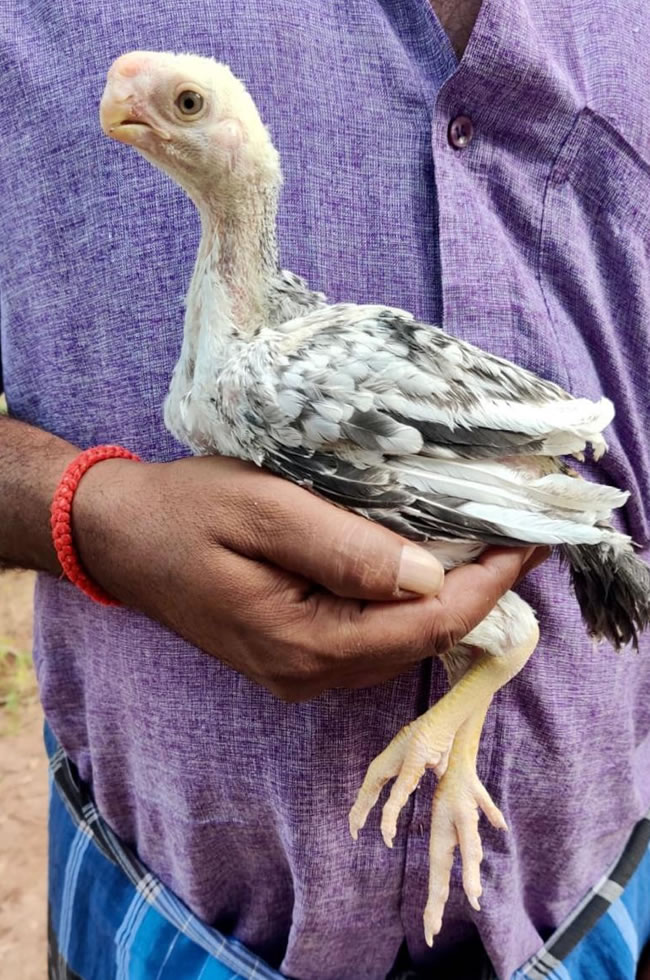
- Protein Ratios: Feed growing Aseel chicks a nutrient-dense starter ration containing 20% to 22% protein to support skeletal development. Transition growers and mature breeding stock to a balanced 15% to 16% protein diet.
- Natural Additions: Supplement commercial feed with whole grains such as cracked corn, ragi, and millet, alongside fresh green fodder.
- Constant Hydration: Provide continuous access to cool, fresh water, particularly during warmer months, to support digestion and prevent heat-related fatigue.

Practical Breeding Insights for Success
Building a successful breeding program relies on careful parent stock selection rather than high-density mass production.
- Selecting Foundation Stock: Choose starter birds based on structural soundness, correct bone weight, alert eyes, and strong legs. Experienced breeders at Nithys Aseel Farm maintain clear lineage records to guarantee genetic vitality and structural integrity.
- Incubation Methods: While Aseel hens possess exceptional maternal instincts and natural broodiness, many hobbyists utilize artificial incubators to carefully regulate temperature and humidity for higher hatch rates.
Common Pitfalls to Avoid in Aseel Farming
- Severe Overcrowding: Keeping too many birds in close quarters quickly leads to feather pecking and aggressive flock dynamics.
- Neglecting Immunization: Skipping essential vaccination schedules against Newcastle disease and other regional ailments jeopardizes your entire flock.
- Compromising on Feed Quality: Utilizing low-grade, nutrient-deficient grain stunts muscle growth and ruins the signature heavy build of a true Aseel.
Frequently Asked Questions (FAQs)
1. Where is Nithys Aseel Farm located?
Nithys Aseel Farm is situated in Gobichettipalayam (Gobi), near Erode, Tamil Nadu, and provides safe, reliable shipping for live birds and hatching eggs across India.
2. What makes the Parrot Beak Aseel unique?
The Parrot Beak Aseel features a distinctly shortened and curved upper beak resembling a parrot. It is prized by collectors and hobbyists for its striking, rare appearance.
3. Are Aseel chickens difficult for beginners to rise?
While Aseels are naturally hardy and disease-resistant, they require sturdy fencing, separate housing for adult roosters, and high-protein nutrition, making them best suited for committed enthusiasts.
4. How many eggs do Aseel hens typically lay?
Aseels are primarily maintained for heritage qualities and meat structure rather than commercial egg output, generally producing between 30 to 60 eggs per year in seasonal clutches.
5. Can I order Aseel hatching eggs online safely?
Yes, Nithys Aseel Farm offers carefully packed, high-fertility hatching eggs from verified pure bloodlines, prepared for secure transit to locations across India.
6. What is the proper feed for young Aseel chicks?
Chicks require a high-protein starter diet (20–22%) paired with clean water, vitamins, and minerals to foster proper bone and muscle growth.
7. How can I stop Aseel roosters from fighting?
Mature Aseel cocks possess strong guarding instincts. House them in individual, partitioned runs where they can see nearby flock members without making physical contact.
8. Why should I buy from Nithys Aseel Farm?
Nithys Aseel Farm focuses on ethical breeding standards, true genetic lines, and transparent customer guidance, ensuring healthy birds and dependable stock.
9. What is the average weight of a mature Aseel?
Adult Aseel roosters typically range from 3.5 kg to 5 kg, while hens generally weigh between 3 kg and 4 kg, depending on the specific strain and nutrition plan.
10. Do Aseels handle diverse Indian climates well?
Yes, native Indian Aseel strains feature exceptional heat tolerance and environmental adaptability, thriving across varied regional climates when provided with proper shelter and care.
Disclaimer: The information provided in this blog post is for general informational purposes only. While we strive to keep the content accurate and up to date, we do not guarantee its completeness, reliability, or accuracy. Any actions you take based on this information are strictly at your own risk. We are not responsible for any losses, damages, or inconveniences that may arise from the use of this blog. For professional advice, please consult a qualified expert.
